Sports
How to play tennis on a budget as Wimbledon begins

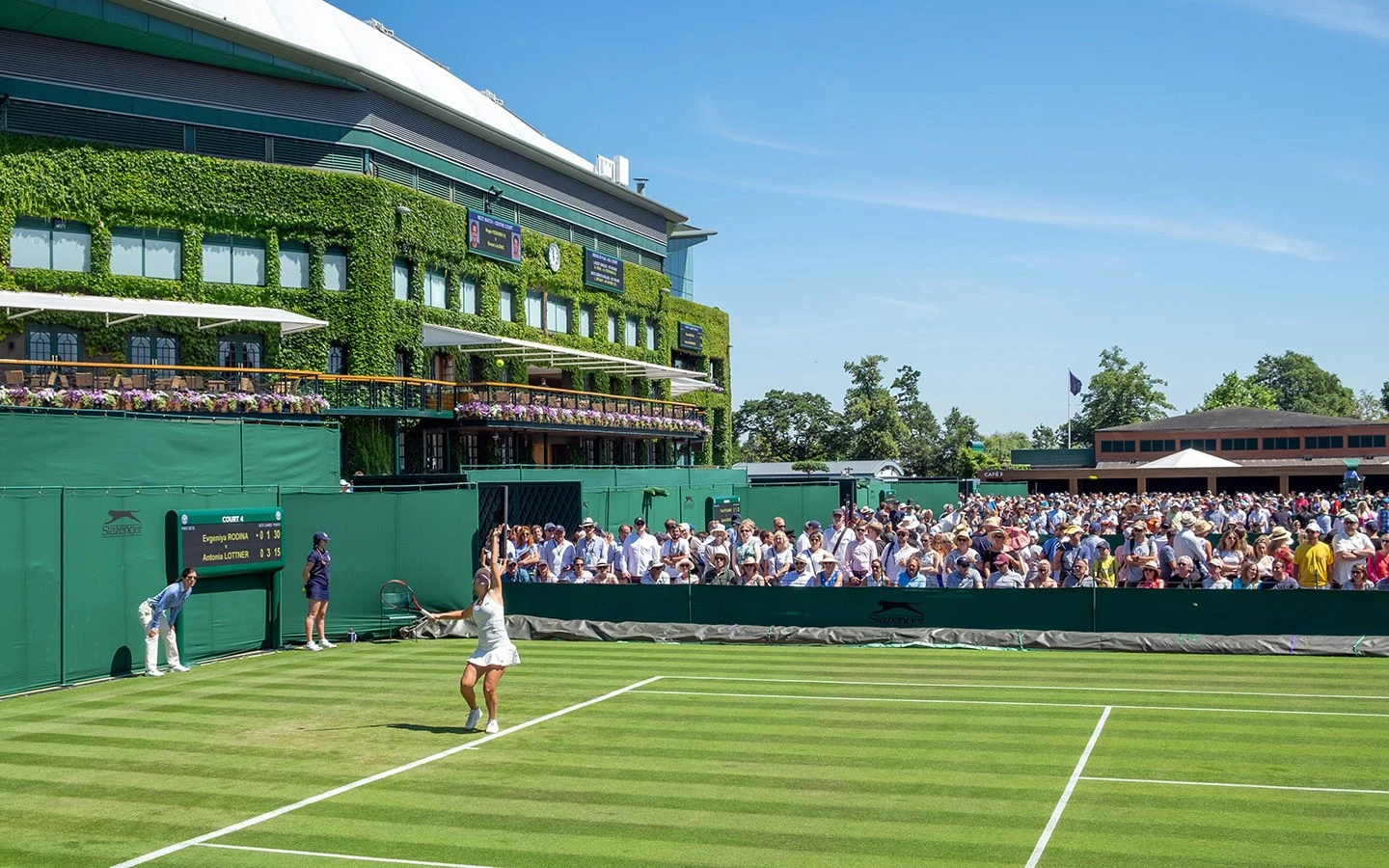
Wimbledon opens with the sport’s richest stage, but the best entry point for most people is still a public park. The Championships run from 29 June to 12 July 2026 at the All England Lawn Tennis Club in London, with the singles finals on Saturday, 11 July and the doubles finals on Sunday, 12 July. The prize pool reaches £64.2 million, yet the practical question for new players is far less glamorous: where can you play without paying club prices?
What Wimbledon’s money tells you about access
The 2026 Championships underline the scale of the gap between elite tennis and everyday participation. The men’s and women’s singles champions each receive £3.6 million, while the Lawn Tennis Association says Wimbledon is the third Grand Slam of the 2026 season. Against that backdrop, the Wimbledon Foundation, the official charity of the All England Lawn Tennis Club and The Championships, says its mission is to champion opportunity for all. That mission matters because the biggest barriers to playing are not talent or interest, but cost, court availability, coaching fees and the expense of getting to the nearest place to play.
The cheapest route in: public parks with low fees
Sheffield offers one of the clearest budget maps. Sheffield City Council says it is working with Courtside to bring low-cost tennis and coaching for all ages and abilities to the city’s public parks, and its Sheffield Parks Tennis Pass lets people use newly refurbished courts for just £1 a time. That is the kind of price point that makes tennis more than a once-a-year Wimbledon spectacle.
Courtside lists public park venues across the city, including Bingham Park, Concord Park, Ecclesfield Park, Graves Park, High Hazels Park, Hillsborough Park, Hollinsend Park, Millhouses Park and Weston Park. For anyone trying to keep travel costs down, that spread matters as much as the price of the court itself. A nearby park court can save a bus fare, a long drive or the need to join a private club just to hit a few balls.

How free sessions remove the equipment barrier
The Lawn Tennis Association’s Barclays Free Park Tennis scheme goes one step further: the sessions are free and include rackets and equipment. That detail matters because the price of a racket, balls and basic kit can be enough to stop people before they start, especially families trying to budget for more than one player.
The scheme is also expanding to more towns and cities across Britain, which gives it a broader reach than one-off local events. For someone who wants to test whether tennis fits their life before spending money on gear, free park sessions offer the lowest-risk entry point. They also help make the sport more social, because people can turn up without needing to own anything beyond comfortable shoes.
What has already been rebuilt
The Park Tennis Project gives the access story a physical base. Backed by the UK Government and the LTA Tennis Foundation, it has refurbished more than 2,500 public courts across Britain to reopen the sport to more people. That number points to a quiet but important shift: tennis is not only becoming cheaper in a few places, it is being restored in communities where worn-out courts once made the game feel out of reach.
This is where affordability and infrastructure meet. A low fee still does little good if the nearest usable court is miles away, or if the surface is cracked and unavailable. Refurbished public courts matter because they reduce the hidden costs of participation, especially travel time and repeated journeys to find an open court.
A practical budget route to the court
The cheapest path into tennis usually follows the same order.
• Start with a free park session if one is available near you, especially where rackets and equipment are provided.
• If your area has refurbished public courts, use a pass or low-fee system like Sheffield’s £1 Parks Tennis Pass to build consistency.
• Add coaching only when you need it, and look for programs aimed at all ages and abilities, as Sheffield City Council and Courtside describe their park offering.

• Choose the nearest public venue first, because travel can erase the savings from a low court fee.
That approach makes the sport more manageable for beginners, parents, students and anyone who cannot justify a full club membership. It also shifts tennis away from the old assumption that access depends on private facilities.
Why the push matters beyond one tournament
In April 2024, Barclays and the LTA said their five-year partnership aims to get 150,000 more people playing tennis more regularly. They linked that goal to a broader ambition of getting half a million more people playing tennis in parks across Britain. Those are not small numbers, and they show that the affordability question is now part of tennis policy, not just personal budgeting.
As Wimbledon begins, the clearest budget lesson is that the sport’s future depends on public space as much as prestige. The Championships hand out millions at the top end; public parks, refurbished courts and free sessions decide whether the game is reachable at ground level.
Sources
- [1]bbc.co.uk
- [2]lta.org.uk
- [3]wimbledon.com
- [4]sheffield.gov.uk
- [5]tennissheffield.com
- [6]home.barclays