Health
How to rethink stress to reduce daily anxiety

In the American Psychological Association’s Stress in America 2025 survey, 62% of U.S. adults said societal division was a major stressor. Psychologists use “stress mindset” to describe whether you see stress as something that breaks you down or helps you rise to the moment, and that lens can shape how anxious a rough day feels.
What a stress mindset really is
A stress mindset is not positive thinking in disguise. A 2023 review in Current Opinion in Psychology defined it as a metacognitive process, meaning it sits above the stress response itself and influences how you interpret what is happening. If stress feels purely debilitating, the body’s warning signals can look like proof that you are failing. If stress is seen as potentially enhancing, the same surge of energy may feel more usable and less threatening.
Why this approach matters right now
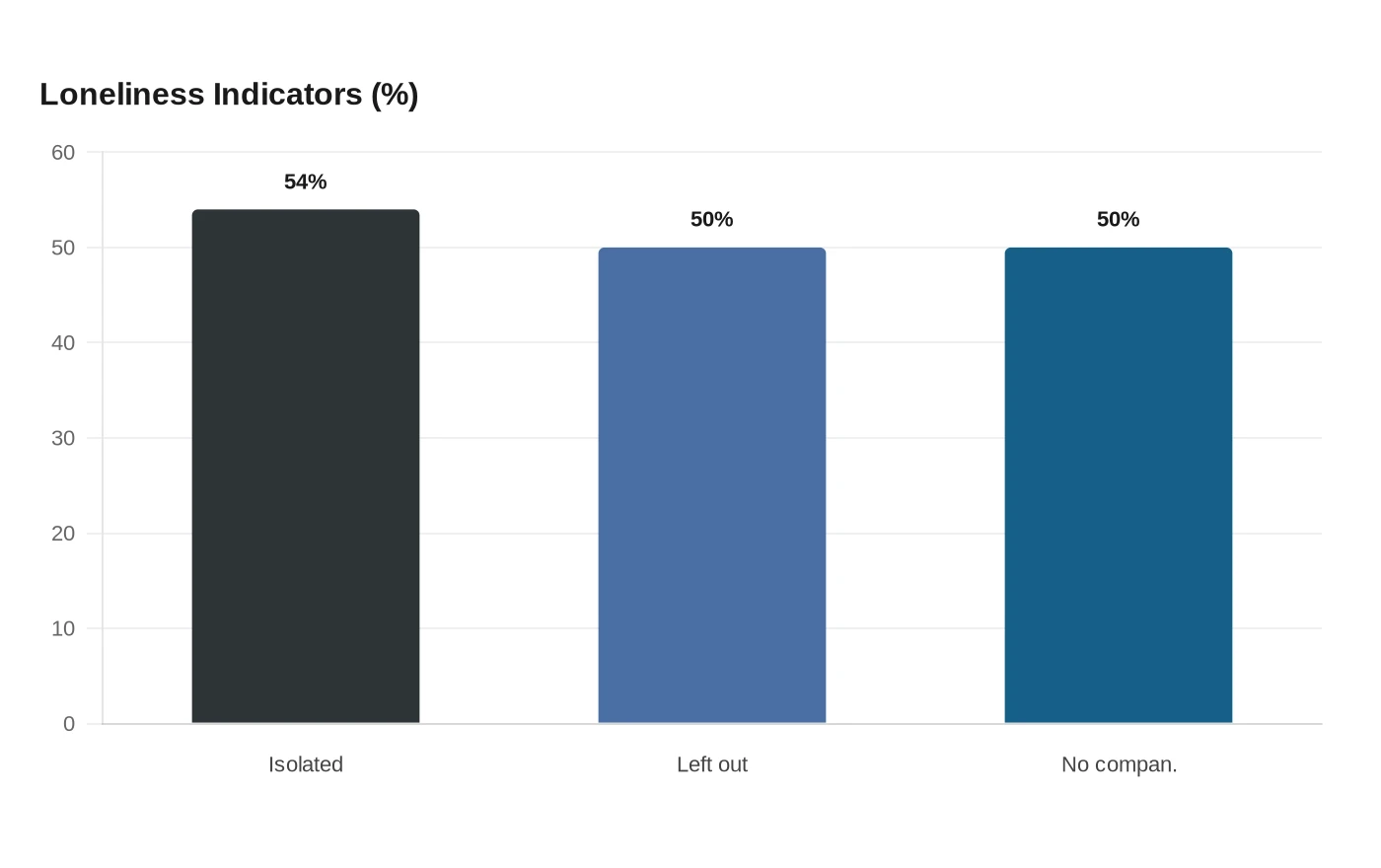
The same survey found that about half of adults were dealing with loneliness, including 54% who felt isolated, 50% who felt left out, and 50% who lacked companionship at least sometimes.
Those numbers came from an online survey conducted by The Harris Poll among 3,199 U.S. adults from August 4 to 24, 2025. APA called the results a crisis of connection. Stress is landing in workplaces, kitchens, caregiving routines, and inboxes, often with fewer reliable relationships to absorb the pressure.
Stress mindset work is most useful when it is not treated as a solo wellness project. It does not tell people to think differently while leaving loneliness, overwork, and financial strain untouched. It gives people a more accurate way to interpret stress while also naming the conditions that make stress heavier in the first place.
What the science supports
The research base is promising, but it is not magic. A 2023 review in Social Science & Medicine found that changing mindset can matter, yet the benefits may depend on baseline distress. In one study it reviewed, shifting students toward a more stress-is-enhancing mindset improved outcomes only when their initial distress was high.
Mindset shifts are not equally powerful for everyone, and they do not erase a crushing workload, caregiving burden, or debt. They are more likely to help when they are used as one part of a broader coping plan, especially for people whose stress is already high enough to distort how they read ordinary setbacks.
A 2024 Springer study on mindset interventions tested whether mindset-based changes could affect stress, motivation, and responses to academic scenarios among U.S. college students, a population known for high stress. Researchers are still trying to measure stress mindset because it can alter how people respond under pressure.
How to shift your interpretation of stress
The most realistic version of this work starts small. You do not need an ideal morning routine or a perfect meditation practice. What helps most is a repeatable way to notice when stress is turning into a totalizing story, then interrupt that story before it hardens.
A useful first step is to separate the sensation from the conclusion. A racing heart, tense shoulders, or a short fuse can mean your body is mobilizing for a challenge, not that you are incapable of handling it. Reframing stress this way can reduce the extra layer of fear that comes from fearing the stress itself.
Another step is to ask what the stress is trying to signal. Is it telling you that a deadline needs a smaller plan, that a family obligation needs a boundary, or that you need rest before your next shift? It helps translate anxiety into information.
For people carrying work, caregiving, or money pressure, the most useful reframes are often the least glamorous:
• “This feeling means I care about the outcome.”
• “My body is activated, not broken.”
• “I may need a different plan, not more self-criticism.”
What actually helps day to day
The Centers for Disease Control and Prevention says stress is part of life, but chronic stress can worsen health problems, including trouble sleeping, headaches, stomach issues, and worsening mental health conditions. Daily coping practices are less about optimization and more about damage control.
The CDC recommends taking breaks from news and social media, breathing deeply, stretching, meditating, practicing gratitude, getting enough sleep, exercising, and reaching out to trusted people. These are not cures, but they are low-cost habits that can reduce the cumulative load of a hard week.
The National Center for Complementary and Integrative Health points to several mind-body approaches that may help manage symptoms of stress and anxiety, including relaxation techniques, yoga, tai chi, and meditation. For people who cannot spare an hour or buy a class pass, the key is choosing the version that fits real life. Five minutes of quiet breathing before a school pickup, a short stretch between shifts, or a brief walk after work can be more sustainable than an elaborate routine that collapses under fatigue.
When stress becomes a health issue
A stress mindset can help only if it sits alongside honest attention to health. If stress is disrupting sleep, driving headaches, worsening stomach problems, or aggravating anxiety or depression, the issue is no longer just attitude. It is a public-health concern with physical and mental consequences.
The CDC advises people who are struggling to cope to use 988 or the 988 Lifeline for immediate support. Stress management is not a test of personal resilience. For many people, especially those facing isolation, unstable work, or caregiving overload, the right response includes both coping tools and access to support.
Sources
- [1]news.google.com
- [2]washingtonpost.com
- [3]cdc.gov
- [4]apa.org
- [5]stress.org
- [6]sciencedirect.com
- [7]link.springer.com
- [8]nccih.nih.gov