Science
How to watch next week’s solar eclipse safely
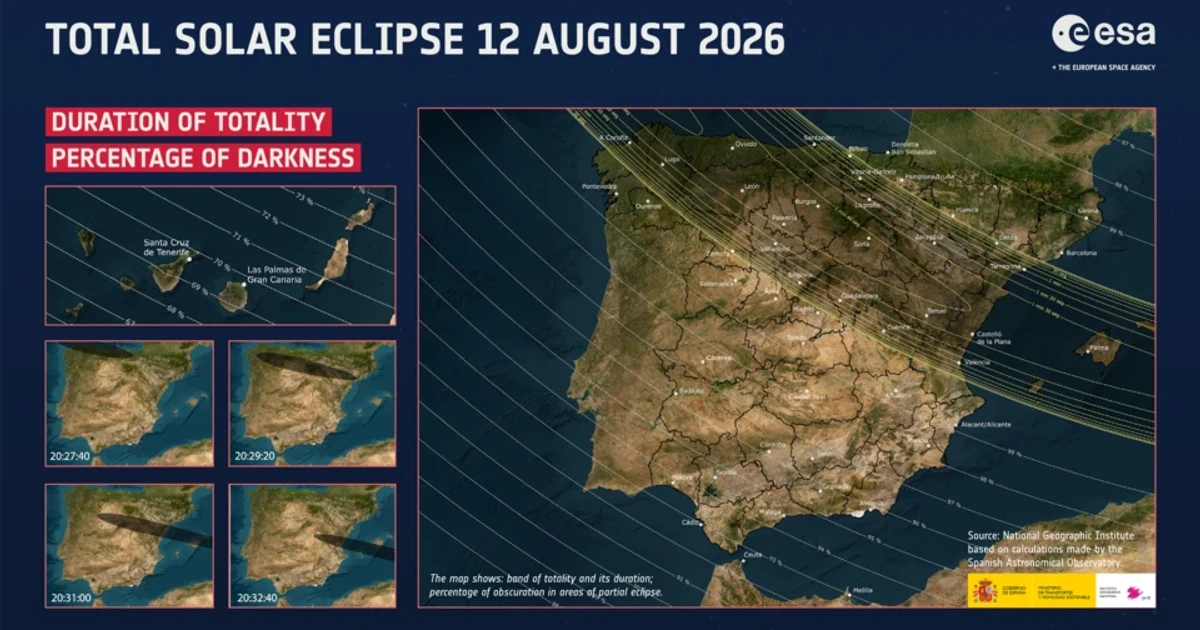
A total solar eclipse will darken a narrow corridor on Aug. 12, with totality crossing Russia, Greenland, Iceland, Spain and Portugal while the UK and Ireland see a deep partial eclipse. Outside totality, never look straight at the Sun without proper protection. If you want to watch it well and watch it safely, plan around your location, not just the calendar.
What kind of eclipse this is
This is a total solar eclipse, not a lunar eclipse and not an annular eclipse. The Moon moves directly between Earth and the Sun, and only the thin path of totality gets the full blackout, the brief period when the Moon completely covers the solar disk. That narrow path runs from Greenland and Iceland to northern Spain and Portugal, with total eclipse visible across the Iberian Peninsula plus slivers of Greenland and Iceland.
That narrow geometry is why the event will look so different from place to place. NationalEclipse.com’s map page lists a maximum duration of totality of 2 minutes and 18 seconds, so even the best viewing is brief. It is the first total solar eclipse visible from mainland Europe since 1999 and the first total solar eclipse to reach mainland Spain in more than a century.
Where the eclipse will be strongest
If you are in the path of totality, you get the only view where the Sun disappears completely for a short time. In western Europe, the best views will come from the narrow corridor running through northern Spain and Portugal. Outside that corridor, you still get a partial eclipse, just not the full darkening that defines totality.
The UK and Ireland will not see totality, but they will still get a striking partial eclipse. BBC Sky at Night Magazine puts the Moon’s coverage there at about 90% to 96% of the Sun. It is the best solar eclipse visible from the UK and Ireland so far this century.
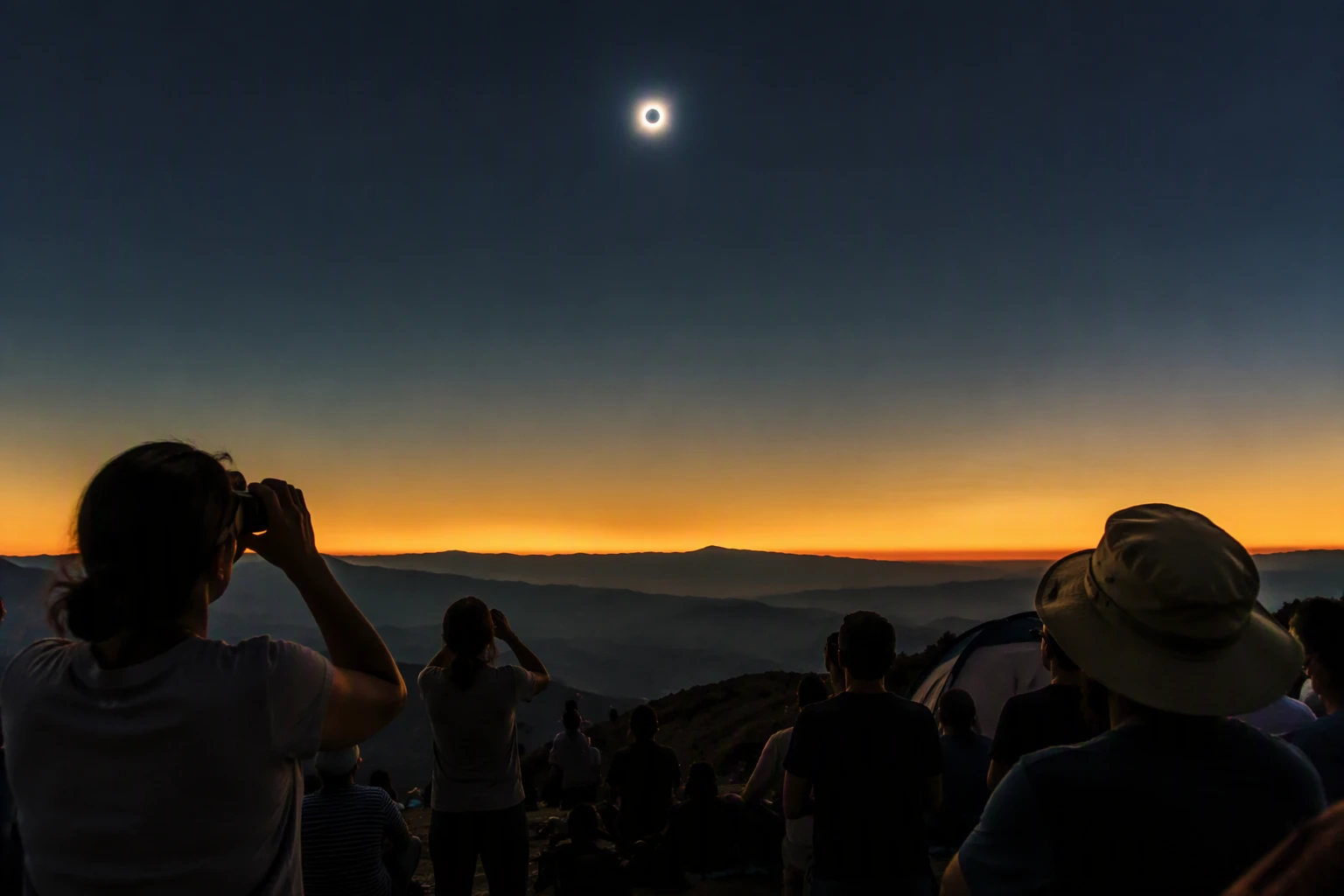
The closer you are to the center of the totality path, the more complete and longer the experience will be. If you are far outside it, you should expect a partial eclipse and plan your viewing accordingly. The Sun still needs protection even when it is mostly covered.
How to watch without damaging your eyes
Follow NASA’s eclipse safety guidance: use only special-purpose solar filters or handheld solar viewers to look directly at the Sun, and make sure eclipse glasses comply with ISO 12312-2. Ordinary sunglasses are not enough, and a partial eclipse is not safe to watch with bare eyes just because the light seems dimmer. Eye damage can happen quickly and without pain.
Use this basic safety checklist:
• Put on eclipse glasses before you look at the Sun, and keep them on during every partial phase.
• Use only ISO 12312-2 compliant eclipse glasses or a handheld solar viewer for direct viewing.
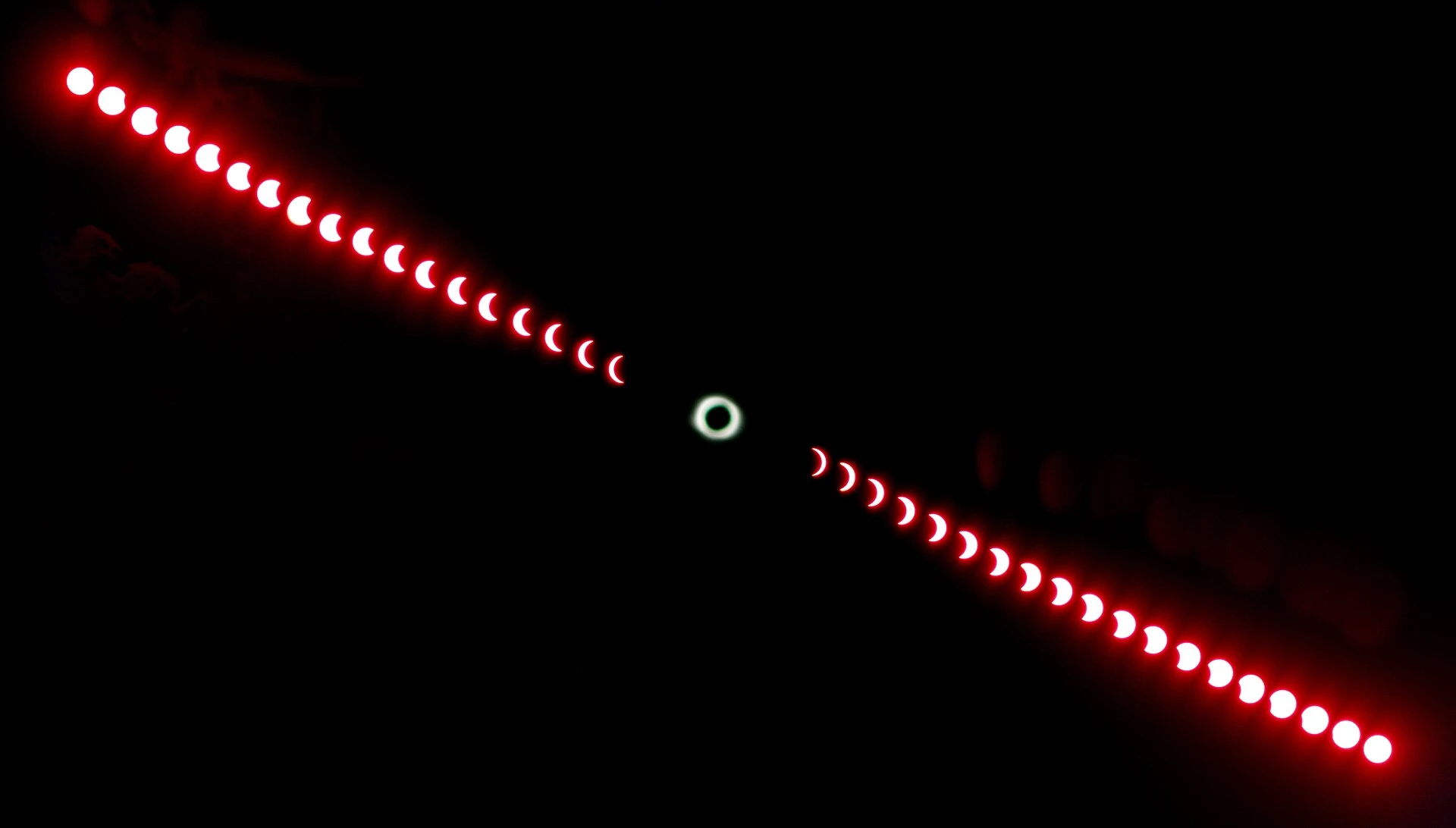
• If you want to watch without looking at the Sun, use an indirect method such as a pinhole projector.
• Do not improvise with unfiltered optics. Special-purpose solar filters are the standard for direct viewing.
A thick partial eclipse is not safer to stare at than a full Sun. The eye does not care whether the missing piece is small or large, and that is why safety guidance stays the same until you are in the brief phase of totality, and only if you are truly inside the path where the Sun is completely covered.
How people are turning it into a shared event
Institutions often build public-viewing events around eclipses. Southern Illinois University’s Eclipse site listed a live stream of the total solar eclipse from León, Spain on Aug. 12, 2026, along with an SIU watch party in Neckers Building room 240.
If you are in Spain or Portugal, the total phase will pass quickly. If you are in the UK or Ireland, you will still get a memorable deep partial eclipse, with the Moon covering most of the Sun, but you will need certified eye protection from start to finish.
Sources
- [1]wsiu.org
- [2]wuft.org
- [3]science.nasa.gov
- [4]nationalgeographic.com
- [5]skyatnightmagazine.com
- [6]nationaleclipse.com
- [7]eclipse.siu.edu
- [8]apnews.com
- [9]exploratorium.edu