Science
How to Watch the Blood Moon Lunar Eclipse
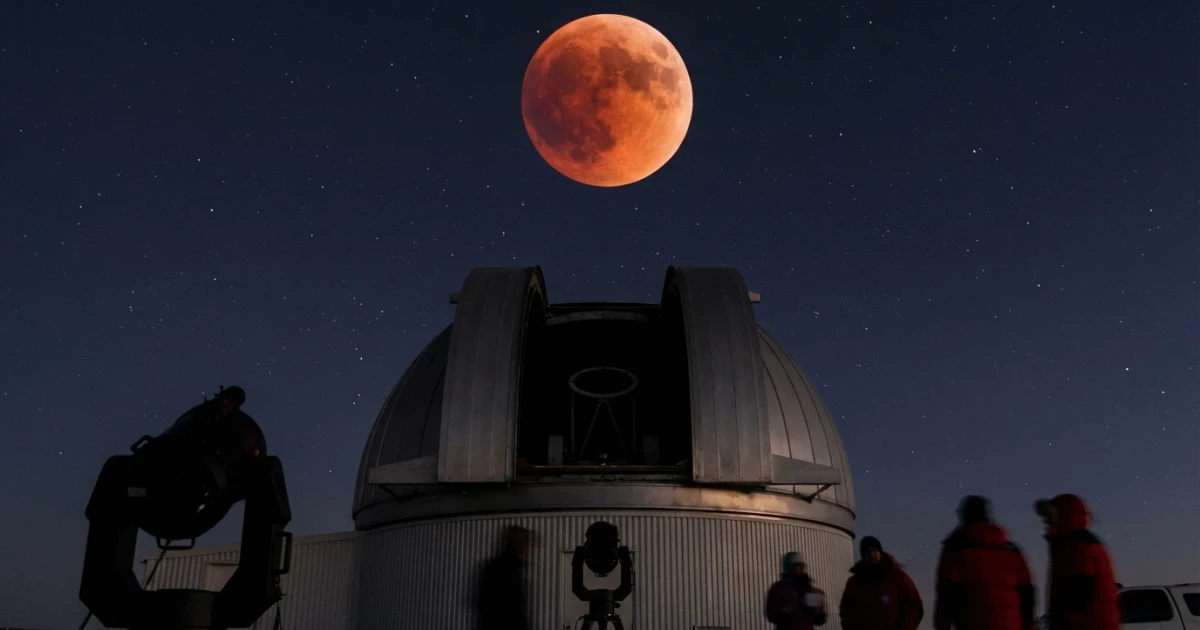
Stargazers across the globe are gearing up for a total lunar eclipse tonight, promising a striking 'blood moon' as Earth's shadow bathes the lunar surface in deep red hues. The rare spectacle offers skywatchers a chance to witness one of astronomy's most dramatic events—if they know when and where to look.
What Is a Total Lunar Eclipse?
A total lunar eclipse occurs when the Earth moves directly between the sun and the moon, casting its shadow fully across the lunar surface. Unlike solar eclipses, lunar eclipses are safe to view with the naked eye and can be seen from anywhere the moon is above the horizon during the event.
Why Does the Moon Turn Red?
During totality, sunlight passing through Earth's atmosphere is scattered—shorter wavelengths like blue are filtered out, while longer red wavelengths bend toward the moon. This process, explained by the European Southern Observatory, gives the eclipsed moon its eerie copper or deep crimson tone, leading to the popular name 'blood moon'. The exact hue can vary depending on atmospheric conditions, such as dust or volcanic ash, which further affect how light is refracted and scattered. For a deeper look at these processes, see this peer-reviewed analysis of lunar eclipse coloration.
When and Where to Watch
The total lunar eclipse will be visible in much of North and South America, parts of Europe, and western Africa. According to interactive maps and local timing tables, the moon will begin entering Earth's penumbral shadow earlier in the evening, with the dramatic totality phase lasting about 85 minutes. Exact start and peak times vary by location:
- In Los Angeles, totality is expected to begin at approximately 8:29 p.m. local time and will last until about 9:54 p.m.
- Viewers on the East Coast will see the eclipse begin later in the evening, with totality around 11:30 p.m. to 12:55 a.m.
- Those in Europe will catch the latter stages of the eclipse before moonset.
Cloud cover and weather conditions may affect visibility, so checking forecasts is recommended. For global visibility details and city-by-city timings, consult the lunar eclipse tables provided by Time and Date.
How to Safely View the Eclipse
Unlike solar eclipses, lunar eclipses pose no risk to your eyes. No special equipment is required—simply look up when the moon is above the horizon. For those seeking a closer look, binoculars or a small telescope can enhance the view. The National Oceanic and Atmospheric Administration also offers safety tips and viewing guidance for eclipse events.
Why This Eclipse Matters
Lunar eclipses are not just a visual treat; they also offer scientists unique opportunities to study Earth's atmosphere. The particular shade of red during totality can reveal details about atmospheric composition and pollution levels. According to NASA's official eclipse data, total lunar eclipses like this one occur roughly every one to three years, making each event noteworthy for both researchers and the general public.
Looking Ahead
For those unable to catch tonight’s event, the next total lunar eclipse is listed in the decade's eclipse schedule. These celestial alignments are reminders of our planet's place in the cosmos and continue to inspire awe and curiosity worldwide.