US News
How Troy, New York became the home of Uncle Sam
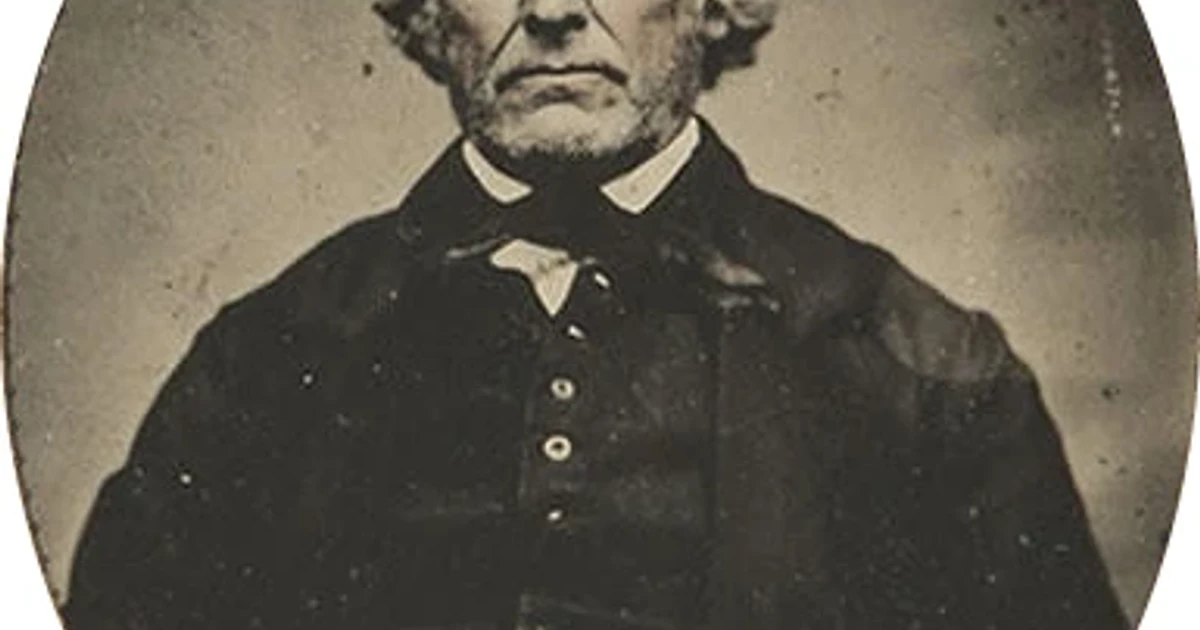
Troy did not just claim Uncle Sam. It helped turn Samuel Wilson, a local meat packer, into one of the most durable symbols in American life. That transformation began with wartime supply barrels, but it grew into a story about how national symbols are made, repeated, and eventually owned by cities, institutions, and the public imagination.
The man before the myth
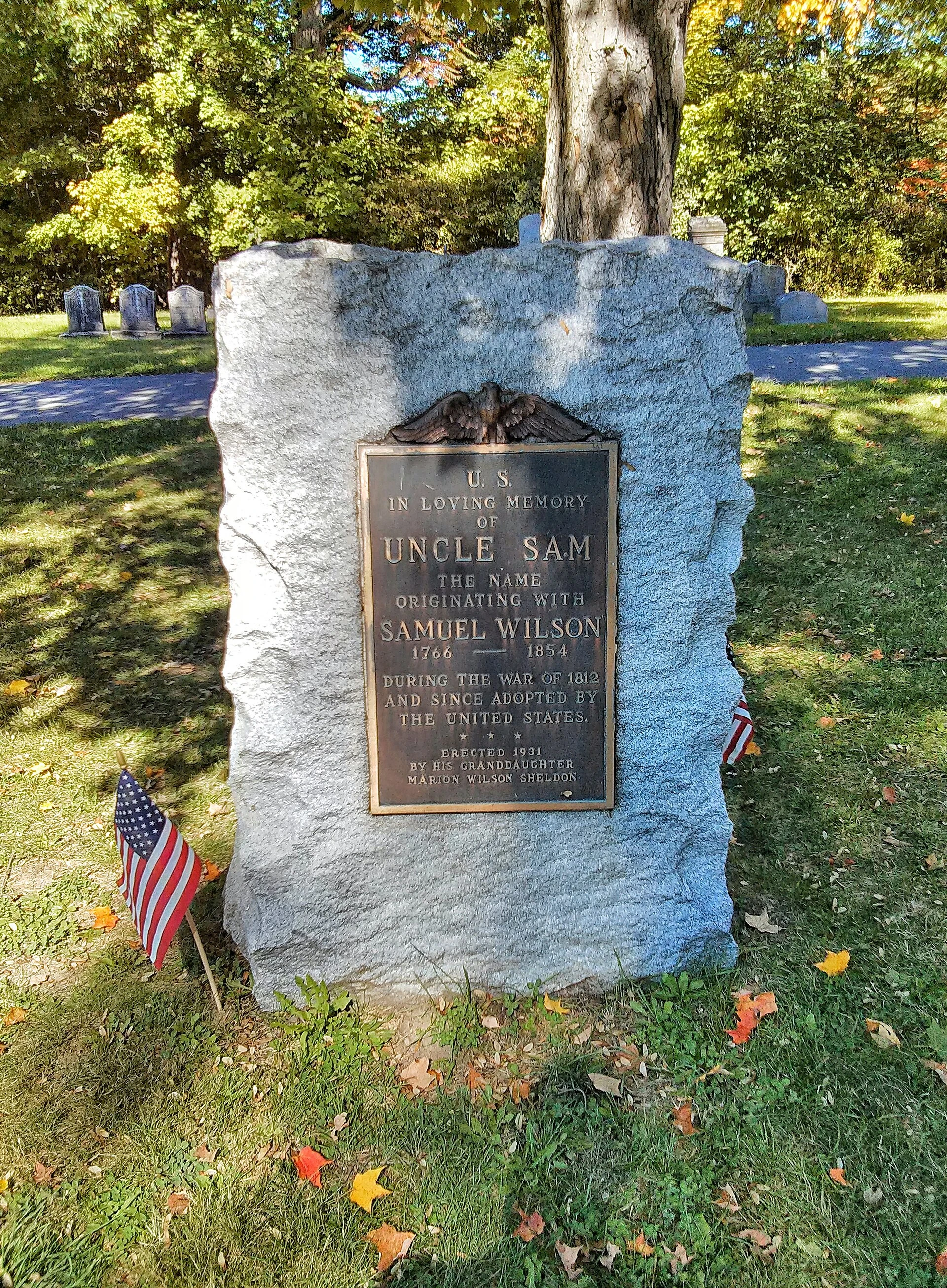
Samuel Wilson was born on September 13, 1766, and died on July 31, 1854. He lived in Troy, New York, worked as a meat packer, and participated in the city’s early growth after arriving there in the late 18th century. Before he became shorthand for the nation itself, he was a working local figure in Rensselaer County whose reputation, according to the National Museum of American History, rested on being well-liked and trustworthy.
That local credibility matters because the Uncle Sam story was never just about a nickname. It was about a recognizable man in a growing river city whose ordinary business became tied to a national war effort. In that sense, Wilson’s path to fame reflects a recurring American pattern: civic identity and national identity often start in the same place, then separate only after a symbol has already taken hold.
How the barrels became a national story
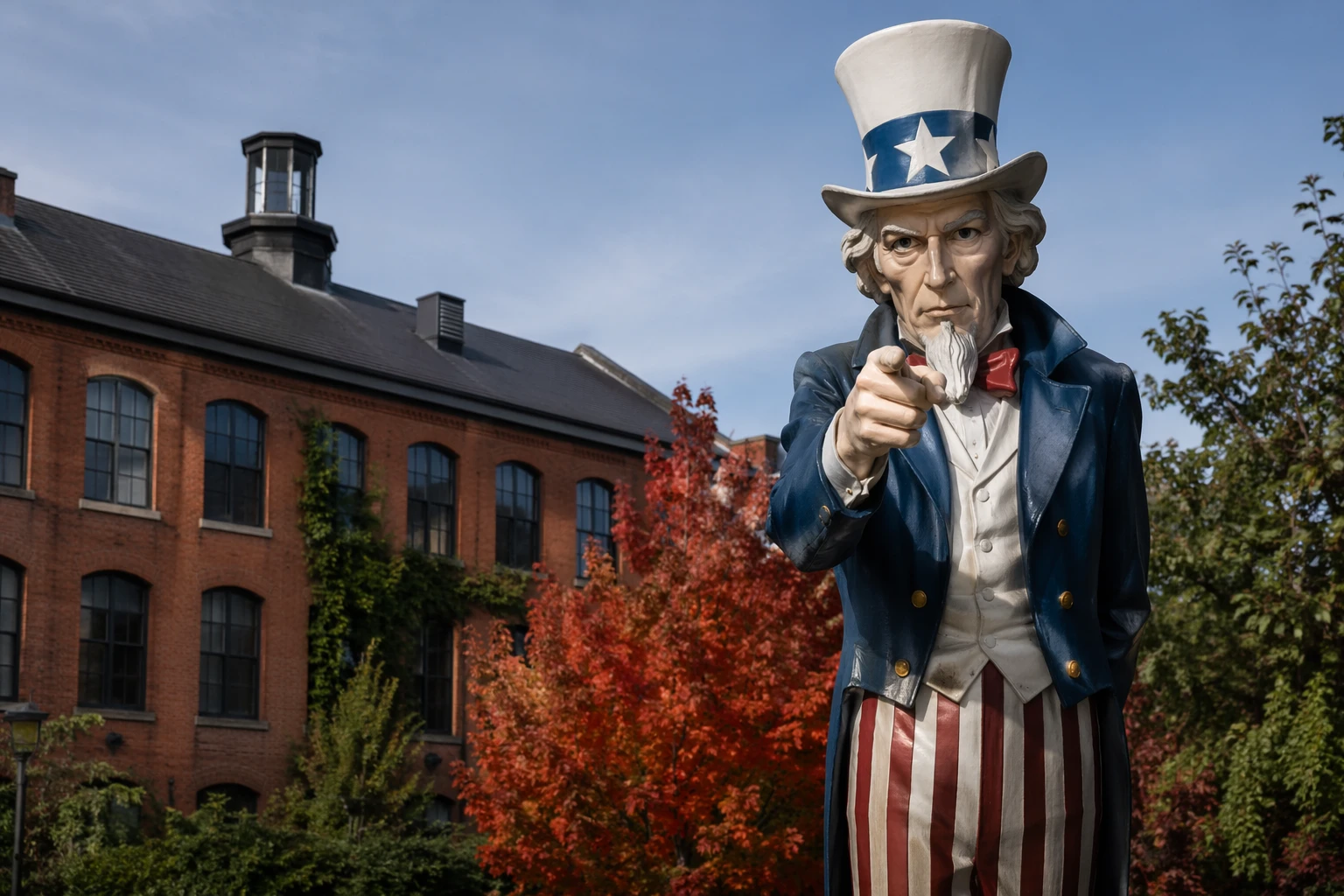
The best-known origin story comes from the War of 1812. Wilson supplied meat to the U.S. Army in barrels stamped “U.S.” for “United States,” and local folklore says soldiers and townspeople jokingly connected those initials to his nickname, “Uncle Sam.” The National Museum of American History says that the barrels and the nickname eventually merged into the national symbol, turning a practical label into a lasting icon.
That leap from supply chain shorthand to political personification is what gives the Uncle Sam story its staying power. The image of a nation is often built from repeated use, not a single invention. In Wilson’s case, a warehouse marking became a patriotic persona because people in and around Troy kept retelling it until the man and the country seemed inseparable.
Why Troy insists on the claim
Troy has spent decades formalizing that connection. The Hart Cluett Museum says the city became “The Home of Uncle Sam” by an Act of Congress in 1961, and the museum’s exhibit uses documents, artifacts, and archaeological evidence from Wilson’s Congress Street home site to tell the story of how the man and the legend evolved. Congress passed a joint resolution in 1961 accepting Samuel Wilson of Troy as the progenitor of Uncle Sam, giving the local story federal recognition.
That official seal matters because it shows how myths become civic assets. Troy is not simply preserving memory for nostalgia’s sake. It is asserting that the city helped define an American emblem, and that the emblem can still be traced to a house site, a laborer’s trade, and a specific local landscape rather than to abstraction alone. In a country that continually argues over symbols, Troy’s claim is a reminder that national imagery is often rooted in municipal history.
The monument and the politics of remembrance
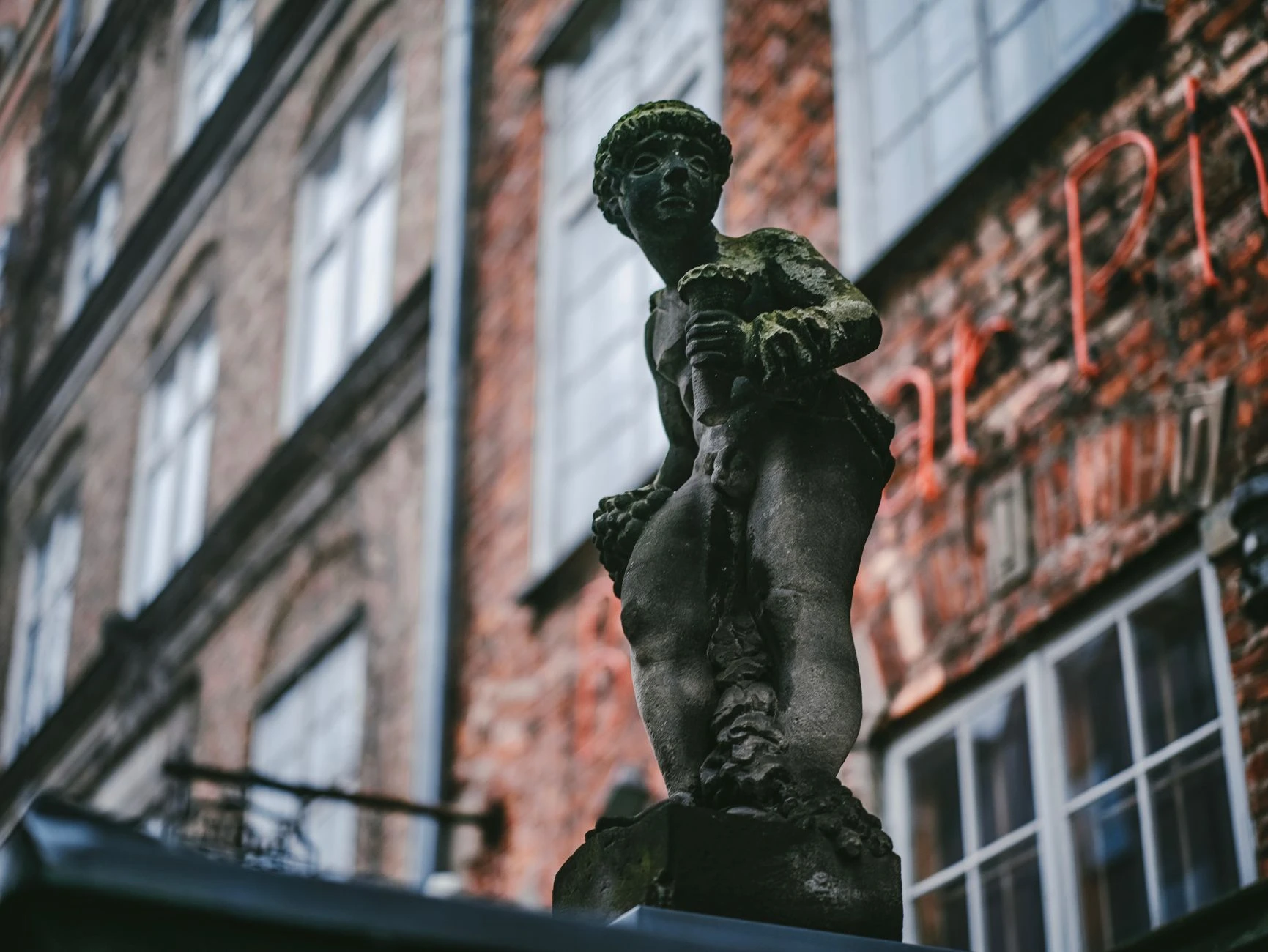
The story did not stop with congressional recognition. According to the New York State Museum, a monument to the original Uncle Sam was erected in Troy in 1980, giving the legend a physical anchor in the city. That monument transformed the tale from something recounted in books and exhibits into a public landmark that residents and visitors can see in stone and bronze.
Congress then reinforced the story again in 1988. Public Law 100-645, approved on November 9, 1988, designated September 13, 1989, as “Uncle Sam Day,” and the resolution did so on the occasion of Troy’s 200th anniversary. The text said Samuel Wilson of the City of Troy, New York, is accepted as the progenitor of the national symbol and authorized the President to issue a proclamation. By then, the local legend had become part of the country’s official calendar of remembrance.
What the symbol means now
Troy continues to promote this history through the Uncle Sam monument and historical markers downtown, while the city’s museum and local historians present Wilson as Troy’s most famous son and a central figure in the development of America’s national identity. That framing turns the story into more than a curiosity. It becomes a case study in how places market themselves through memory, and how historical figures can be repurposed as civic brands long after their own lives have ended.
The modern relevance is hard to miss. Uncle Sam remains a shorthand for the United States, but symbols like that are never neutral. They are selected, polished, and reused by institutions that want to define what the country looks like and who belongs in its public story. Troy’s version of Samuel Wilson shows that patriotism is not only a matter of imagery; it is also a contest over provenance, recognition, and ownership.
Why the Troy story lasts
The endurance of Uncle Sam in Troy comes from the combination of evidence and myth. There is a real man, a real city, a real wartime supply chain, and real congressional action in 1961 and 1988. There is also the more elusive force of folklore, which took a meat packer’s initials and turned them into one of the most recognizable labels in American culture.
That is why Troy’s claim still matters. It shows how national symbols are not simply born at the center of power. They are assembled in local places, carried by ordinary work, and eventually elevated until the story outlives the person. In Samuel Wilson’s case, the city that supplied the man also helped supply the myth, and the myth became part of America itself.
Sources
- [1]cbsnews.com
- [2]hartcluett.org
- [3]americanhistory.si.edu
- [4]nysm.nysed.gov
- [5]congress.gov