Science
How Unsupervised Childhood Shaped Self-Regulation in Past Generations
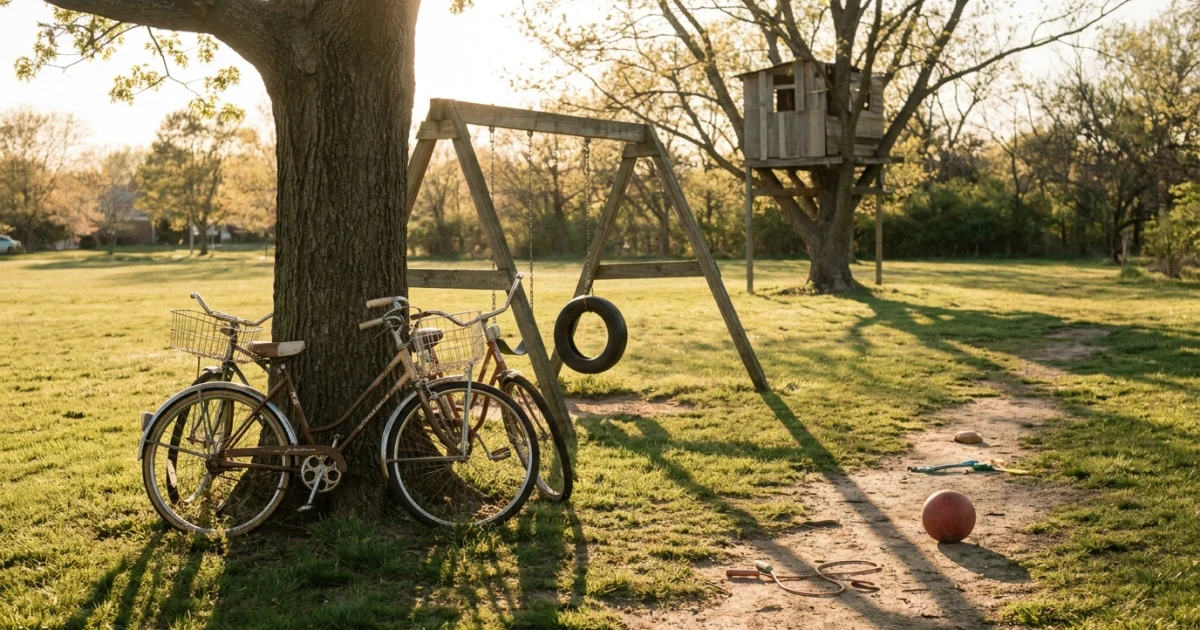
For decades, social narratives have credited the emotional resilience of children raised in the 1960s and 1970s to stronger parenting practices. However, emerging psychological research and historical data indicate that the formative strength seen in these generations may have arisen less from attentive parenting and more from the self-regulation skills children developed during frequent periods of unsupervised time.
Challenging the Myth of Superior Parenting
Recent analysis published by Indian Defence Review argues that the prevailing idea of more effective or caring parenting in past generations is largely a myth. Instead, children in the postwar era often experienced long stretches of unstructured, unsupervised time—sometimes described as "benign neglect." This environment, experts suggest, fostered self-reliance and emotional strength not because of direct parental guidance, but due to necessity: children had to navigate conflicts, boredom, and risk without immediate adult intervention.
This trend is documented in federal statistics on child well-being, which show that American children in the mid-20th century typically spent a greater proportion of their day outside the direct supervision of adults than their modern counterparts. The shift towards more parental involvement in daily activities did not accelerate until the late 1980s and 1990s, according to Child Trends data.
The Role of Unsupervised Play in Emotional Development
Peer-reviewed research supports the connection between unsupervised childhood and the development of self-regulation skills. A 2019 article in the American Journal of Play concludes that the "decline of free play and unsupervised time" since the 1970s has coincided with a rise in childhood anxiety and other mental health challenges. The authors assert that activities like negotiating playground disputes or managing solo exploration gave children critical opportunities to practice decision-making and emotional control.
- According to Statista's historical data, children in the late 1960s spent significantly less time per day with parents compared to children in 2010 and beyond.
- The CDC's Youth Risk Behavior Surveillance System has tracked changes in risk behaviors and unsupervised activities among adolescents since the 1990s, documenting a marked decrease in unsupervised play and outdoor activities.
Changing Parental Expectations and Societal Norms
Parents today report higher levels of involvement in their children's academic and recreational lives. The Pew Research Center notes that modern parents spend more time monitoring their children, driven partly by changing social norms and heightened concerns about safety. While these shifts have reduced some risks, they may also limit opportunities for children to develop coping mechanisms independently.
Self-Regulation and Long-Term Outcomes
Developmental psychologists emphasize the importance of self-regulation—the ability to manage emotions and behavior in the absence of external control. Studies suggest that while increased supervision can protect children in the short term, a lack of opportunities for independent problem-solving can contribute to challenges with anxiety and self-confidence later in life.
As the Indian Defence Review article puts it, many children of the '60s and '70s "learned to self-regulate through daily neglect." This perspective reframes the conversation around child development, suggesting that emotional strength in past generations was less a product of superior parenting and more an unintended consequence of hands-off upbringing.
Looking Ahead: Finding the Balance
Experts agree that neither extreme—neglect nor overprotection—is ideal. The key, they argue, is to strike a balance between safety and independence, ensuring that children have both secure attachments and opportunities to manage challenges on their own. As communities reassess childhood norms, understanding the complex legacy of unsupervised play offers a new lens on emotional development and resilience.