Sports
How World Cup balls evolved from leather to smart technology
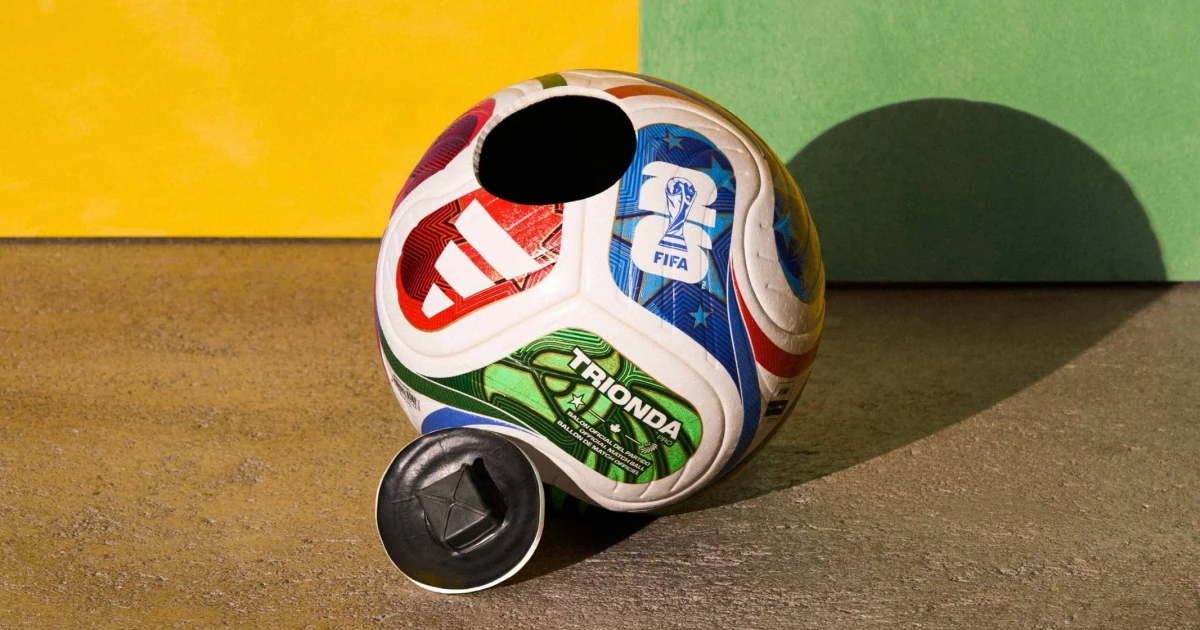
The World Cup ball has never been just equipment. Over 96 years, it has changed the way the game looks, flies and is judged, turning a simple object into one of football’s most influential pieces of technology. FIFA’s own history of the tournament shows a clear arc: from host-supplied leather balls and uneven conditions to standardized adidas match balls built for pace, precision and, now, digital officiating support.
From improvised beginnings to a shared standard
The first World Cup final in 1930 was decided with two different balls, one used in each half, after both teams insisted on playing with their own. FIFA says the T-model, the first World Cup ball, was on the field for only 45 minutes of that final. That detail captures how unsettled the early era was: no single global standard, no unified supplier, and plenty of room for disagreement over something as basic as the ball itself.
That changed decisively in 1970, when adidas became the official World Cup ball supplier. The tournament in Mexico introduced the Telstar, beginning a supply relationship that has lasted through every World Cup since. Standardization mattered because it reduced one layer of uncertainty, but it also made the ball itself a design statement. Once every team used the same model, small changes in shape, panel construction and surface behavior could influence tactics, shot-making and even how goalkeepers read the ball off the foot.
Telstar, Tango and Azteca: the ball becomes part of the tournament’s identity
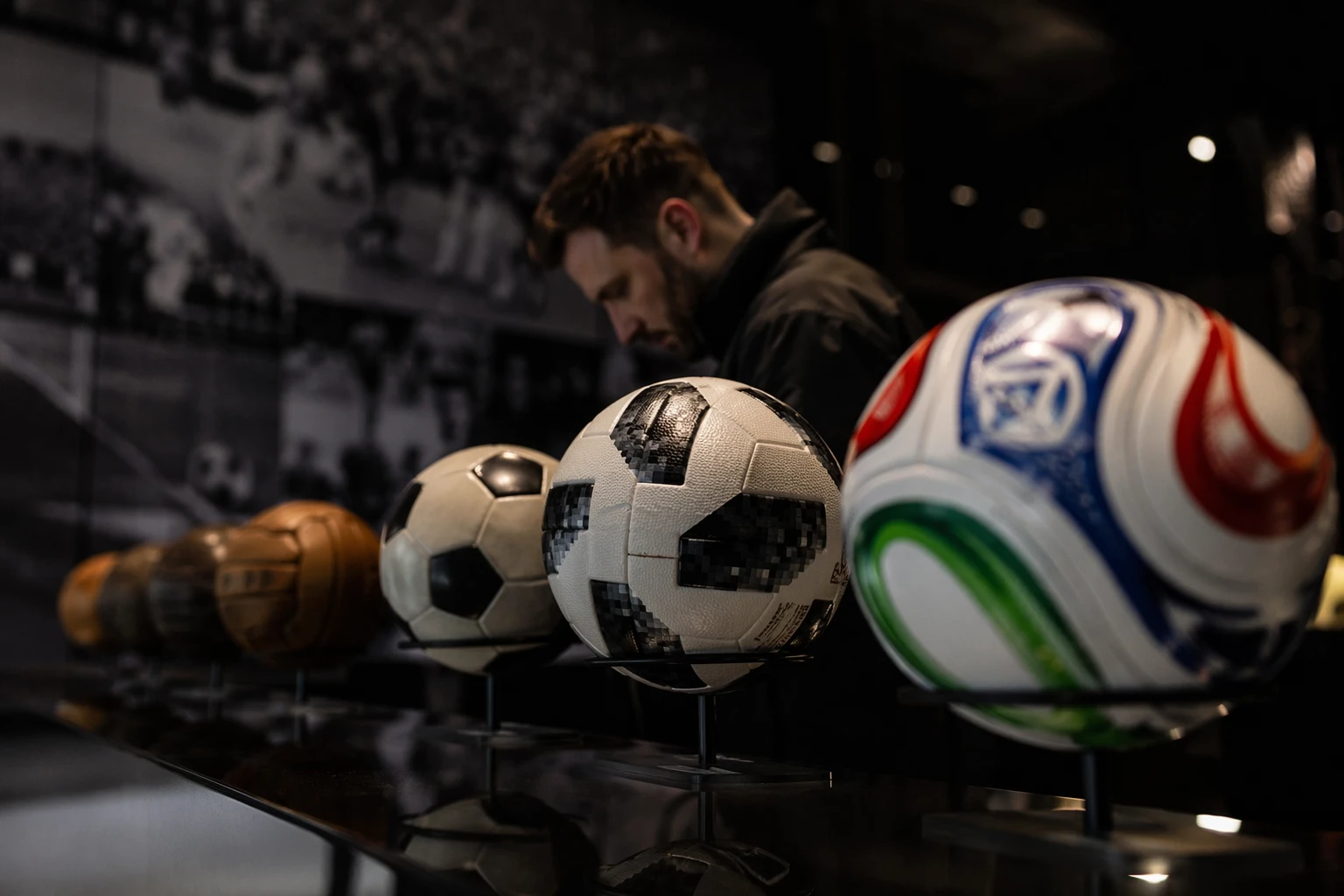
As the World Cup grew into a global television event, the ball became instantly recognizable in its own right. FIFA’s historical roundup highlights several iconic names, including Telstar, Tango and Azteca, each tied to a different era in the tournament’s visual memory. The Telstar became synonymous with the modern World Cup ball chain, while later models gave each tournament a distinct identity rather than treating the ball as a generic object.
That identity mattered on the field. A ball that looks and moves differently changes how players strike it and how keepers react to it. Fans remember the tournament not only through goals and trophies, but through the exact flight of the ball on a free kick, a long-range shot or a looping cross. When the ball changes, so does the game’s feel. The World Cup’s biggest moments are often remembered through the physics of the ball, not just the scoreline.
Why design changes alter speed, scoring and goalkeeping
Each generation of World Cup ball has pushed the sport in a different direction. Older leather balls were heavier, less uniform and more affected by weather, which made the game slower and less predictable. By contrast, the newer standardized balls used in the adidas era became more consistent, helping players trust the ball’s movement but also making tiny design adjustments more consequential.
That is why ball evolution is not a cosmetic story. A ball that travels faster or behaves more erratically can change scoring rates, influence how defenders hold their line and put extra pressure on goalkeepers who must judge trajectory in a fraction of a second. It can also spark controversy, because players notice when a ball seems to dip, skid or float differently from what they expect. In tournament football, where margins are thin, the ball can shape not just style but outcomes.
Al Rihla and the rise of smart officiating support
The 2022 World Cup ball, Al Rihla, marked a sharper break from the past. FIFA says it was designed to travel faster in flight than any previous World Cup ball, which gave the game a new layer of speed and vertical threat. Faster flight does more than produce long passes and harder shots. It compresses decision-making time for defenders and goalkeepers, and it can turn a half-chance into a decisive chance much more quickly than older balls allowed.
Al Rihla also introduced connected technology into the match ball itself. FIFA says it included an inertial measurement unit sensor that transmitted ball data 500 times per second to support officiating, especially tight offside decisions. That was a major shift in purpose: the ball was no longer only something players kicked, but also a data source that helped referees judge moments too close for the naked eye. In a sport often shaped by controversy over fine margins, that kind of precision changes the balance between instinct and evidence.
TRIONDA and the next phase of the World Cup ball
FIFA launched the official 2026 World Cup ball, TRIONDA, in October 2025. Its design is inspired by the three co-hosts of the tournament, Canada, Mexico and the United States, reflecting how the ball now doubles as both sporting tool and symbolic object. The naming and design language signal that the World Cup ball still carries national and cultural meaning, even as its engineering becomes more advanced.
TRIONDA also continues the move toward connected ball technology intended to aid match officials. That places it firmly in the same technological lineage as Al Rihla, but with a new tournament context and a broader North American identity. The ball is no longer simply built to be kicked cleanly and seen clearly. It is expected to serve the game’s speed, its broadcast presentation and its officiating systems at the same time.
What the evolution tells us about the modern game
The World Cup ball’s history is really the history of football becoming more standardized, faster and more data-driven. The 1930 final, with two balls and no common standard, belongs to a world where the equipment itself could be contested. The Telstar era made the ball globally recognizable. The Tango and Azteca years helped turn it into a tournament icon. Al Rihla and TRIONDA show how deeply the ball is now tied to both performance and technology.
That evolution has changed the fan experience too. Supporters no longer just watch who wins. They notice how the ball moves, how quickly attacks unfold and whether technology helps settle the game’s most delicate calls. In that sense, the World Cup ball has become one of football’s clearest measures of progress. It shows how a sport can keep its basic shape while its central object becomes faster, smarter and far more consequential.
Sources
- [1]cbsnews.com
- [2]fifa.com
- [3]inside.fifa.com
- [4]support.tickets.fifa.com