Health
How Your Diet May Influence UTI Risk: Emerging Insights for Prevention
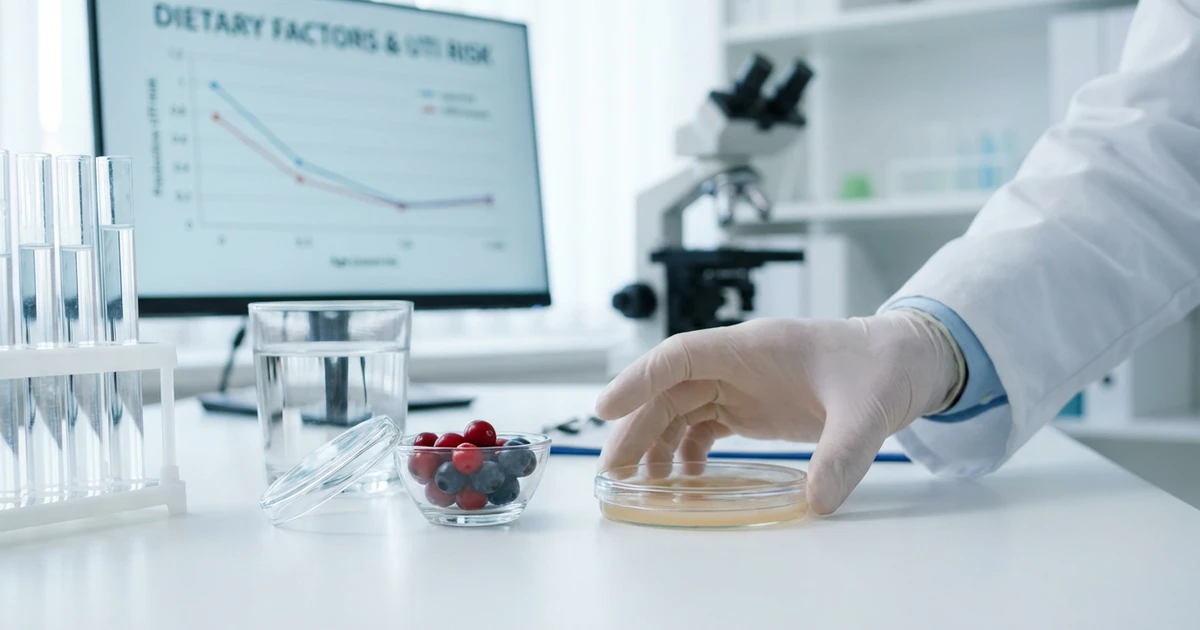
Urinary tract infections (UTIs) are a common health concern, affecting millions each year. While factors such as hygiene and genetics are well-known contributors, emerging research highlights a less obvious player: diet. Understanding how what you eat may impact your UTI risk could be key to prevention and better health outcomes.
The Diet–UTI Connection: What We Know
Recent findings suggest that dietary choices can either increase or decrease your susceptibility to UTIs. UTIs typically occur when bacteria, most commonly Escherichia coli (E. coli), enter the urinary tract. However, your diet may influence the likelihood of infection in several ways:
- Gut Microbiome Support: Diets rich in fiber and fermented foods can promote a healthy gut microbiome, which in turn may help prevent the overgrowth of harmful bacteria that can migrate to the urinary tract.
- Pro-Inflammatory Foods: Consuming high amounts of processed foods, sugars, and red meats may increase inflammation and potentially impair immune response, possibly raising UTI risk.
- Hydration: Fluid intake, especially water, is linked to a reduced risk of UTIs by diluting urine and flushing bacteria from the urinary tract.
Foods That May Lower UTI Risk
Certain foods and nutrients have been associated with a lower risk of urinary tract infections:
- Fruits and Vegetables: Rich in antioxidants, they support immune health and may help combat bacterial infections.
- Cranberry Products: While evidence is mixed, cranberry juice and supplements are widely studied for their potential to prevent bacteria from adhering to the urinary tract lining.
- Probiotics: Yogurt and fermented foods can help maintain a balanced gut flora, which may reduce the risk of pathogenic bacteria spreading to the urinary tract.
Dietary Patterns That May Increase UTI Risk
Conversely, some dietary habits may make individuals more vulnerable to infection:
- Low Fluid Intake: Not drinking enough water can lead to concentrated urine, providing a more hospitable environment for bacteria.
- High Sugar Diets: Excess sugar can promote the growth of harmful bacteria both in the gut and urinary tract.
- Excessive Red Meat and Processed Foods: These may increase inflammation and decrease the body’s ability to fight off infections.
What You Can Do to Reduce UTI Risk
Based on current evidence, several dietary strategies may help lower your chances of developing a UTI:
- Drink plenty of water throughout the day
- Include a variety of fruits and vegetables in your meals
- Consider probiotic-rich foods like yogurt or kefir
- Limit processed foods, added sugars, and excess red meat
Looking Ahead: The Importance of Further Research
While the connection between diet and UTI risk is gaining recognition, more research is needed to establish definitive guidelines. In the meantime, adopting a balanced diet with an emphasis on hydration and gut health offers a promising approach to reducing UTI risk and supporting overall well-being.
For those who experience frequent UTIs, consulting with a healthcare professional is recommended to develop a personalized prevention strategy that includes dietary and lifestyle modifications.