World
HRW says Mali fighting has triggered grave abuses against civilians
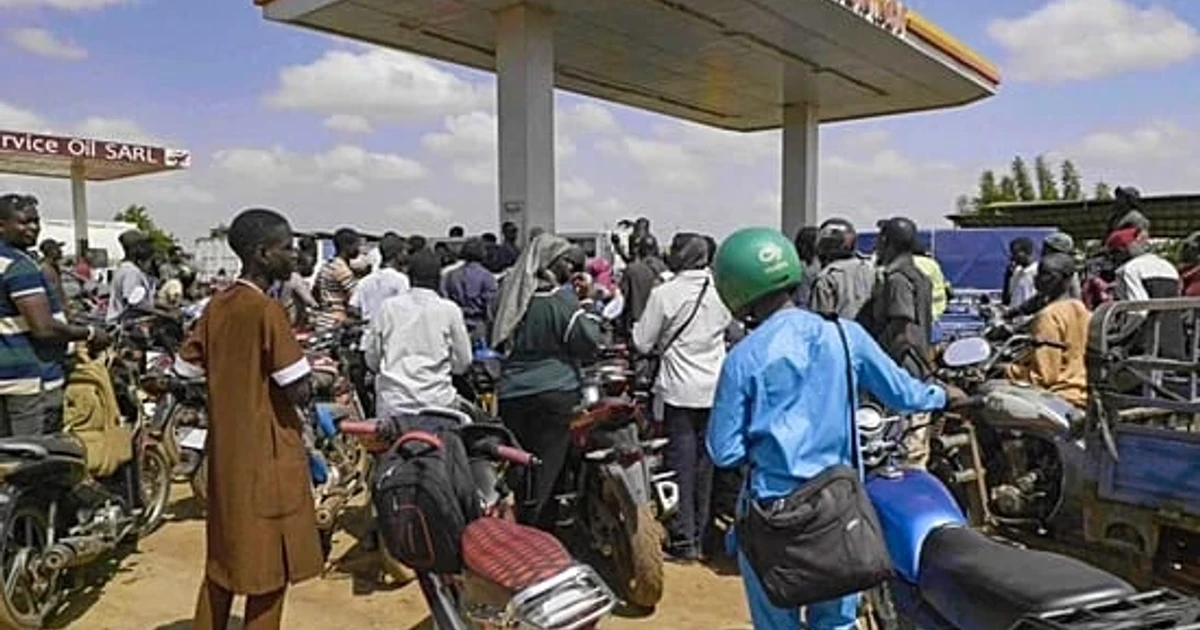
Human Rights Watch said Islamist armed groups, Malian armed forces and their allies committed serious abuses against civilians after fighting escalated in Mali in April, placing families in the middle of a widening security crisis. The group published its findings on June 28 and said the violence followed coordinated attacks across the country on April 25.
Those attacks were carried out by armed groups linked to the al-Qaeda-affiliated Group for the Support of Islam and Muslims, known as JNIM, and hit Kati, Sévaré, Gao, Mopti and Kidal. The United Nations Office for the Coordination of Humanitarian Affairs said the attacks caused casualties, damaged civilian infrastructure, displaced more than 100 households inside Mali and pushed about 600 people to newly register as refugees in Niger. The Office of the High Commissioner for Human Rights said the April 25 and 26 violence caused heavy civilian casualties and forced many more people to flee their homes.
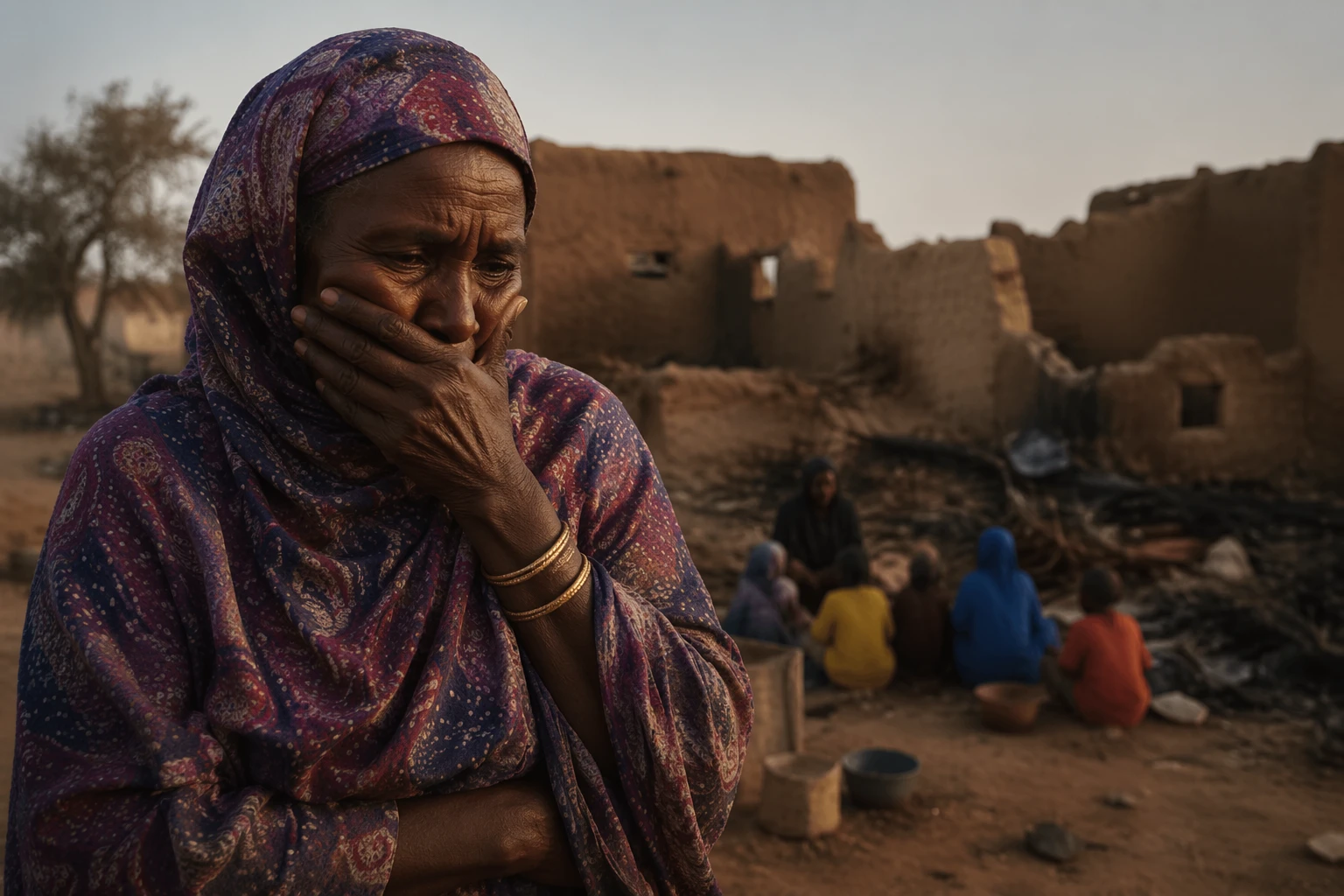
Africanews reported that Malian government officials said at least 16 people were injured in the attacks. Human Rights Watch said the pattern of abuse was not limited to one armed faction, but extended to Islamist fighters, Malian forces and government-backed foreign mercenaries as combat intensified. Its broader Mali materials say the humanitarian and human rights situation remains dire amid continued abuses by armed Islamist groups, state security forces and government-allied foreign fighters.
The latest findings land after a year of worsening conditions. Human Rights Watch said in World Report 2026 that Mali’s rights situation deteriorated in 2025 because attacks against civilians by Islamist armed groups continued, while Malian forces and associated foreign fighters carried out abusive counterinsurgency operations. By late August 2025, the group said, more than 737,000 Malians were displaced inside the country and across borders, and 1.5 million faced acute food insecurity.
That combination of displacement, hunger and repeated attacks has narrowed the space for civilian life in Mali’s central and northern regions. When abuses come from multiple sides, communities are left with little reason to trust any armed actor as a protector, and that uncertainty complicates humanitarian access and any security strategy built mainly around counterterrorism. It also raises the stakes for Mali’s authorities, including President Assimi Goïta’s government, which faces mounting pressure to protect civilians, investigate violations and curb reprisals as the conflict deepens.
Sources
- [1]africanews.com
- [2]hrw.org
- [3]unocha.org
- [4]news.un.org
- [5]ohchr.org