Science
Hubble and Webb find first stellar-mass black hole in Omega Centauri
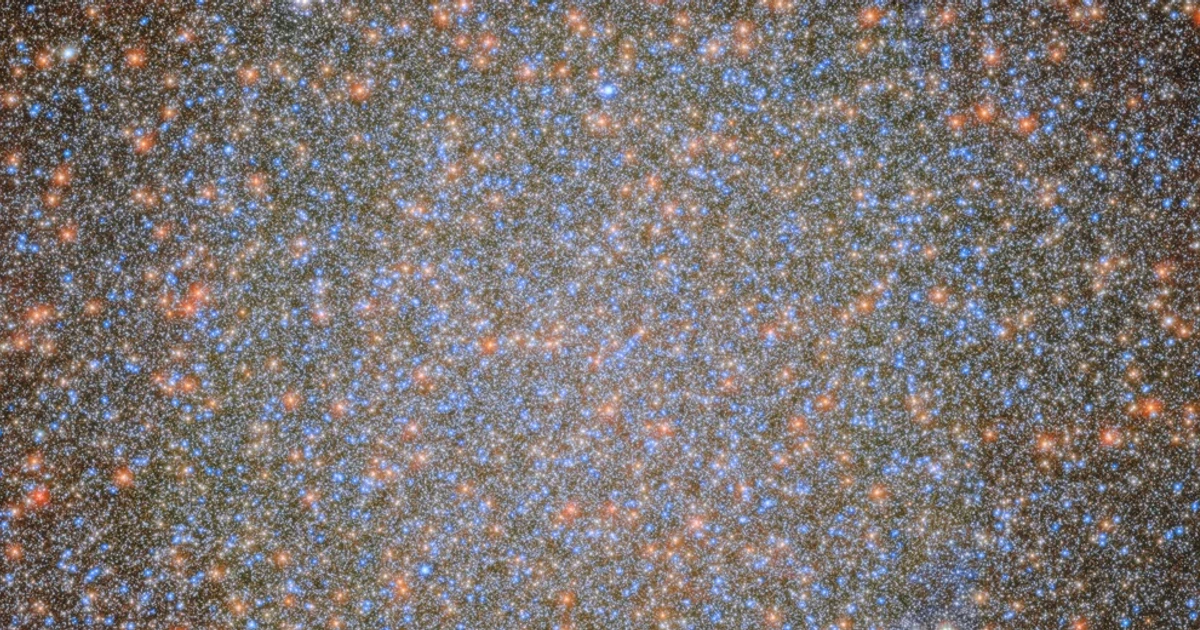
Hubble and Webb have solved a long-running case inside Omega Centauri by pinning down oMEGACat BH-2, the first stellar-mass black hole found in the cluster. The system sits about 18,000 light-years from Earth and pairs the unseen object with a visible main-sequence turnoff star whose motion was traced over 23 years of observations, long enough to reveal the black hole hiding in plain sight.
The find matters because Omega Centauri has long looked like a black hole factory with its evidence missing. The cluster holds about 10 million gravitationally bound stars, and models have suggested it should contain roughly 10,000 stellar-mass black holes left behind by exploded stars, yet previous searches using radial velocity, radio and X-ray emission found no such population. Astronomers had already built a separate case, in 2024, for an intermediate-mass black hole in the cluster’s center from more than 500 Hubble images and seven fast-moving stars, with an estimated mass of about 8,200 solar masses.
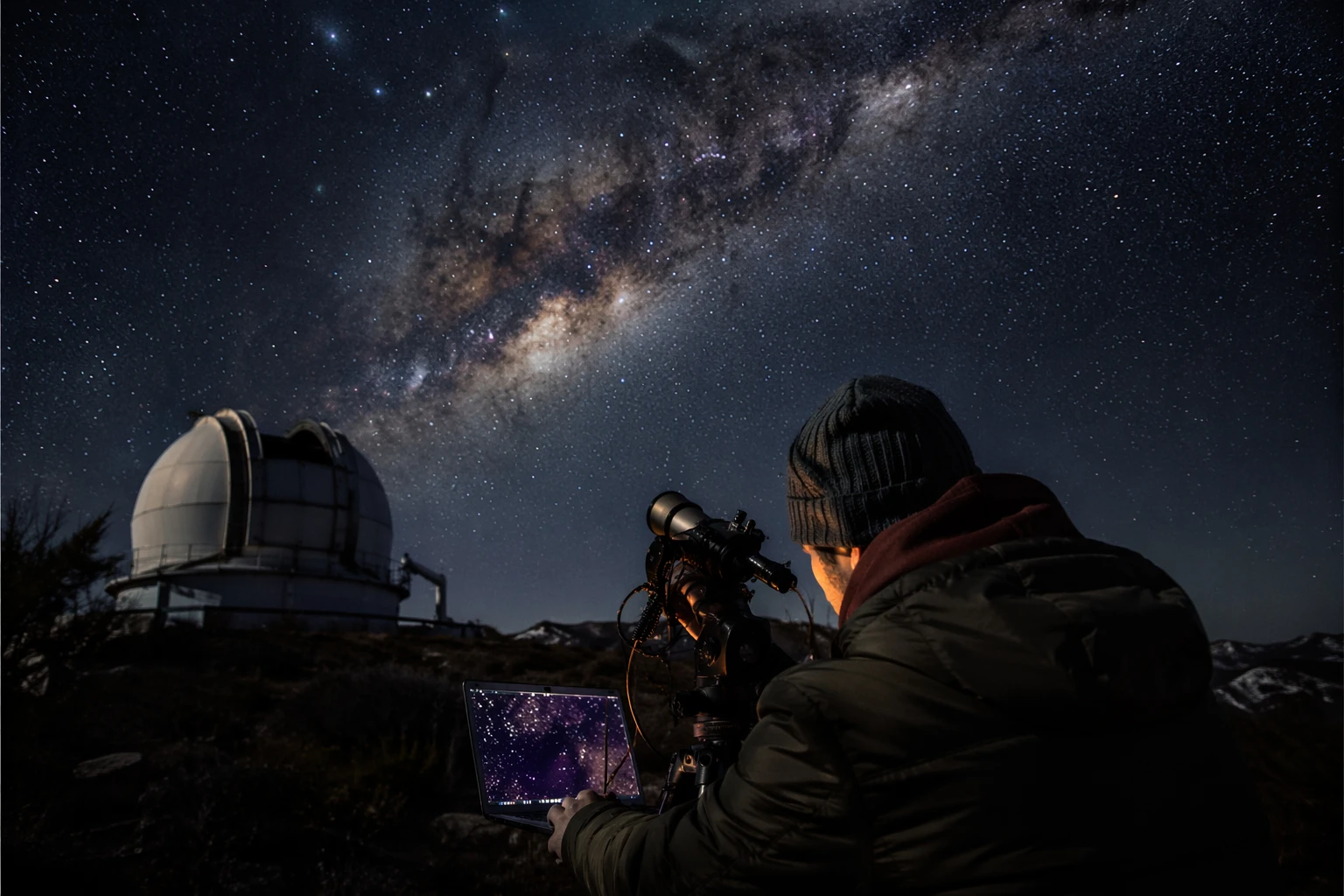
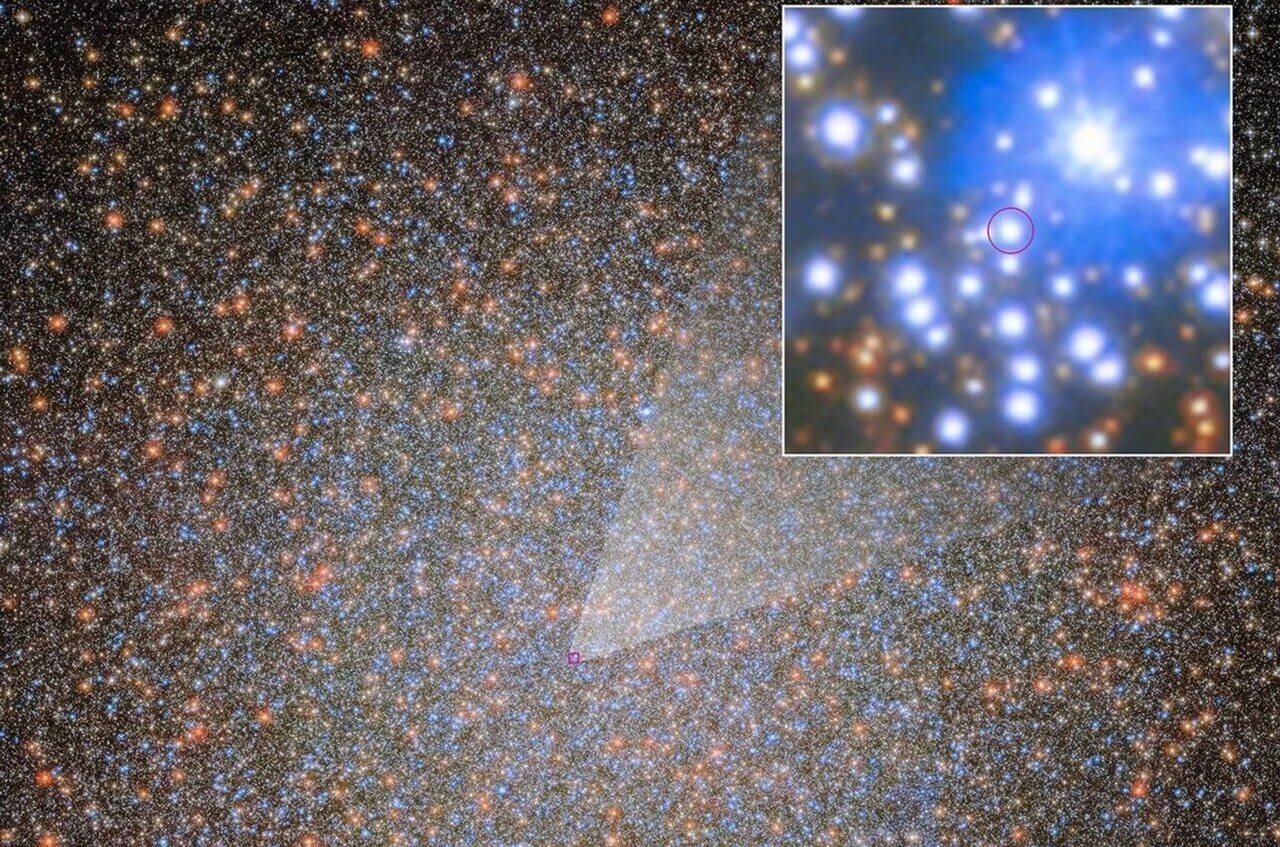
The new object is unusual even by black hole standards. The paper gives the orbit as 94 years, with a large uncertainty of +63 and -42 years, a semi-major axis of 31 AU, plus or minus 15 and 12 AU, and an eccentricity of 0.72, with uncertainty of +0.08 and -0.13. The black hole itself is estimated at 4.46 solar masses, with a range that makes it lower than scientists expected for a black hole binary in this dense environment. Whitaker said the measurements were incredibly precise, “down to a fraction of a pixel on Hubble and Webb’s detectors,” and added, “It would not have been possible to find this black hole without these two space telescopes.”
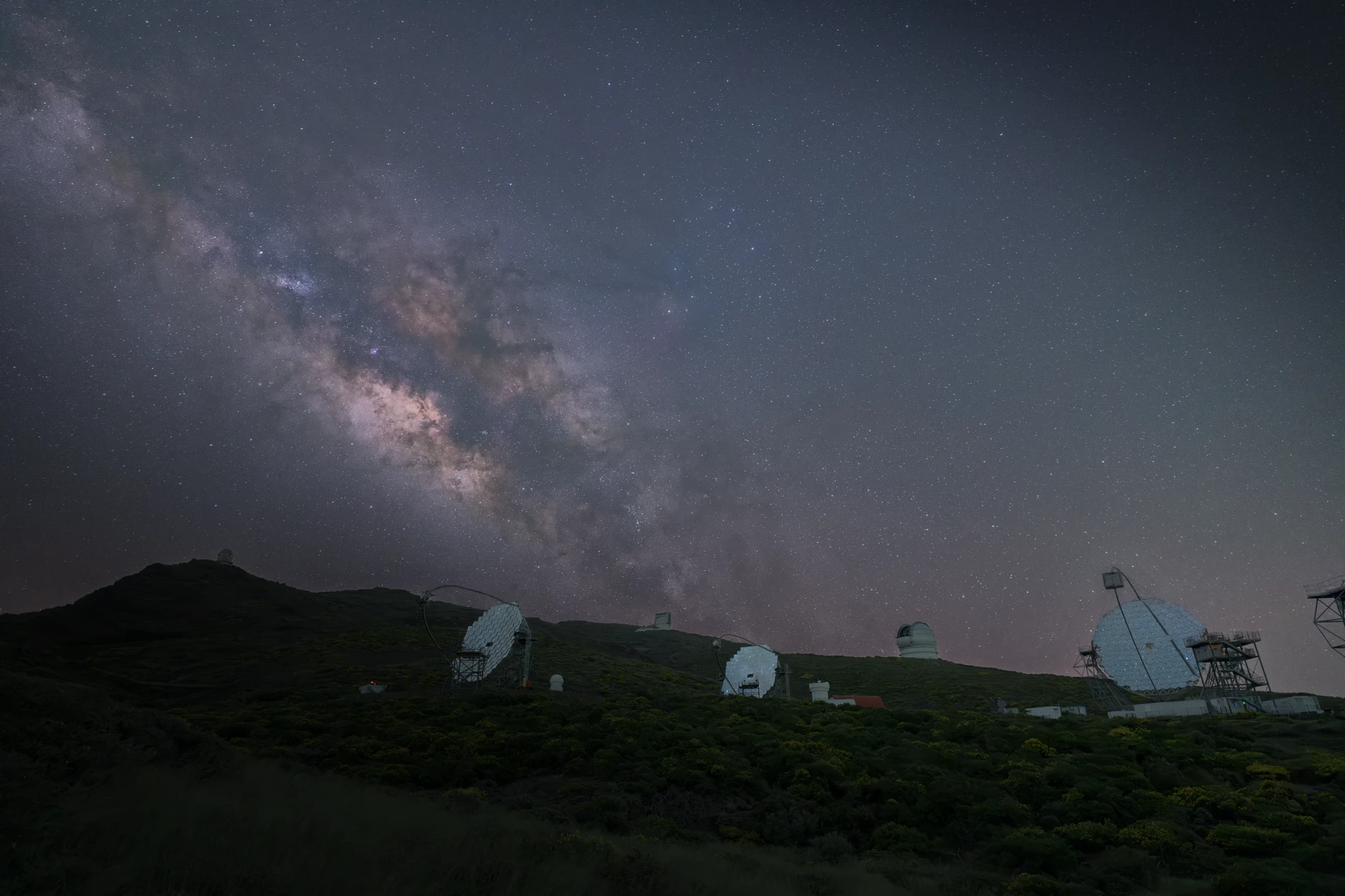
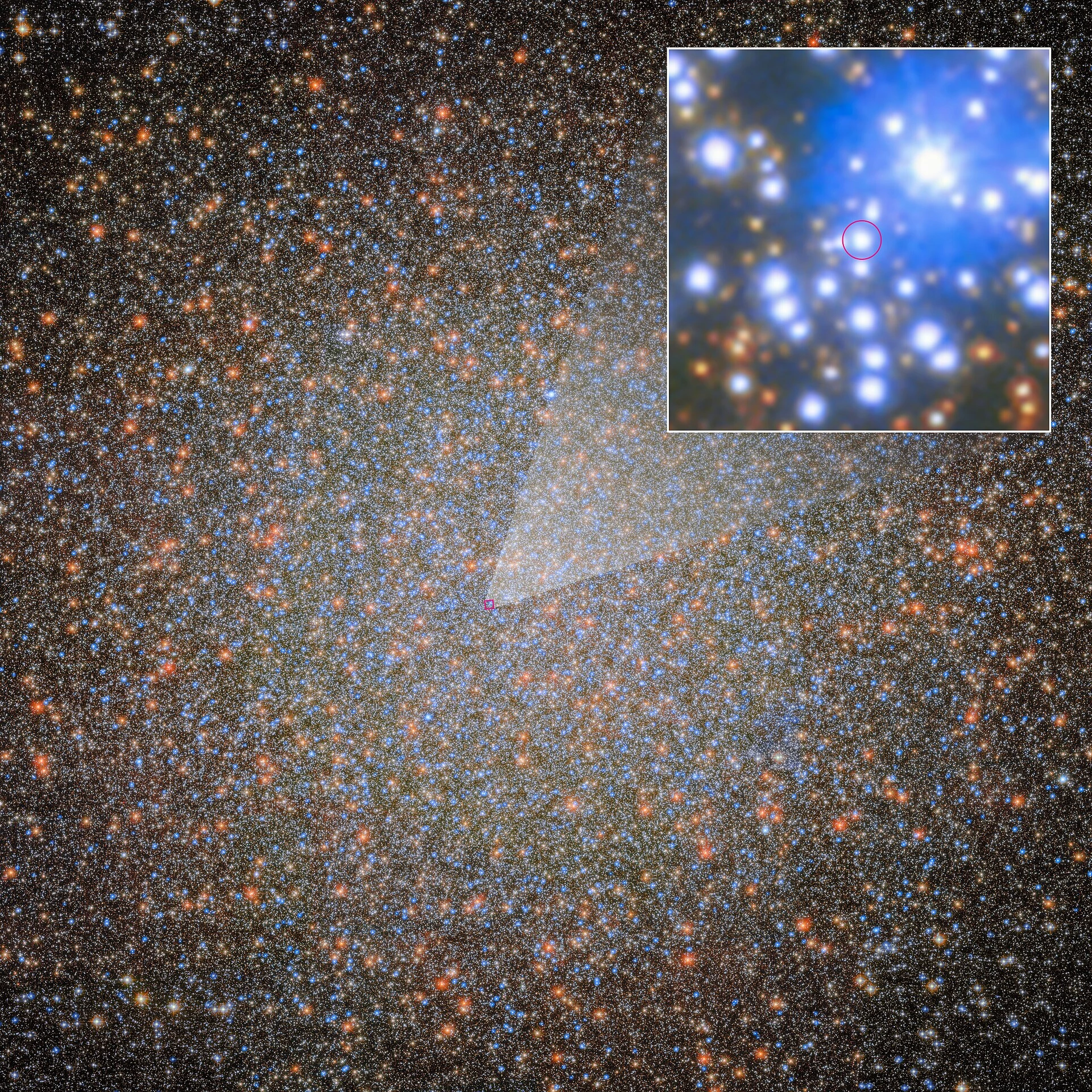
The paper, published in The Astrophysical Journal Letters, was led by the University of Utah with collaborators at the Space Telescope Science Institute, the European Southern Observatory, the Max Planck Institute for Astronomy, Michigan State University, Northwestern University, the University of Vienna, Liverpool John Moores University, the University of North Carolina at Chapel Hill, INAF-Padova and the Osservatorio Astrofisico di Arcetri. The result gives astronomers a real object to test against models of black hole formation and cluster evolution, and it suggests the hunt for more hidden binaries in Omega Centauri has only begun.
Sources
- [1]science.nasa.gov
- [2]stsci.edu
- [3]arxiv.org
- [4]esa.int