Science
Hubble spots ultraviolet light from early galaxy, revealing cosmic growth
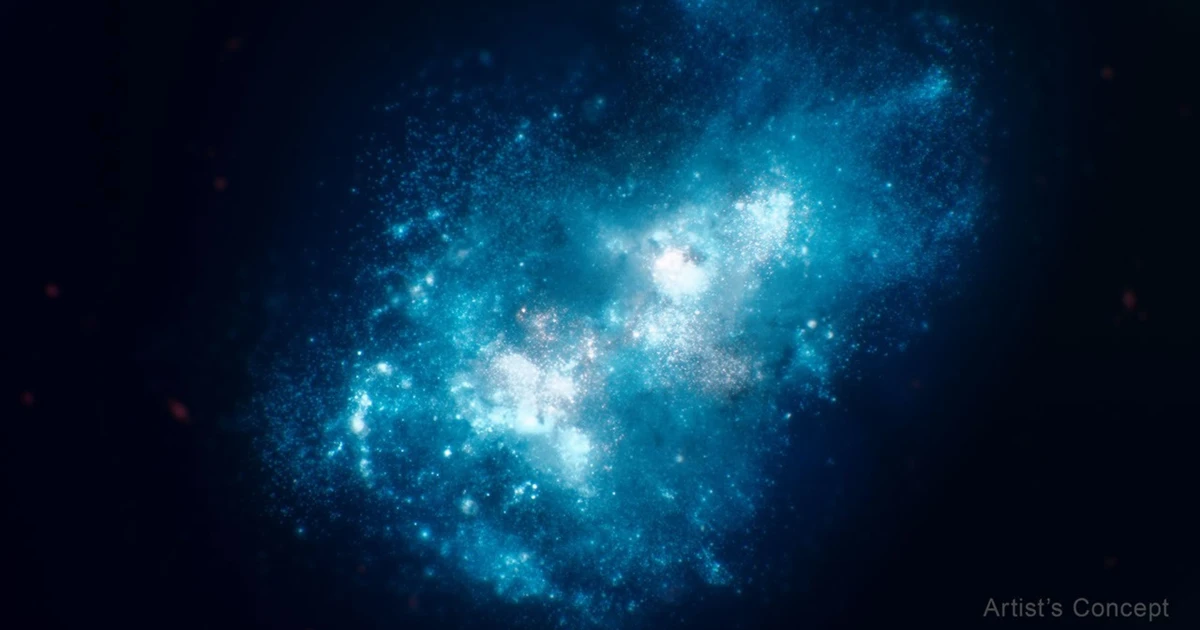
Hubble has spotted ultraviolet light escaping from MXDFz4.4, a galaxy that existed about 1.4 billion years after the big bang. The signal gives astronomers a rare look at how an early galaxy could ionize gas around it and change its neighborhood, not just shine as a distant point of light.
The study, published June 23 in The Astrophysical Journal, says MXDFz4.4 is the earliest galaxy of its kind identified so far. It is the only galaxy at this distance seen in a deep Hubble survey filter that uniquely captures energetic light escaping from young stars, and the object sits at redshift 4.442, making it the highest-redshift Lyman continuum emitter detected to date.
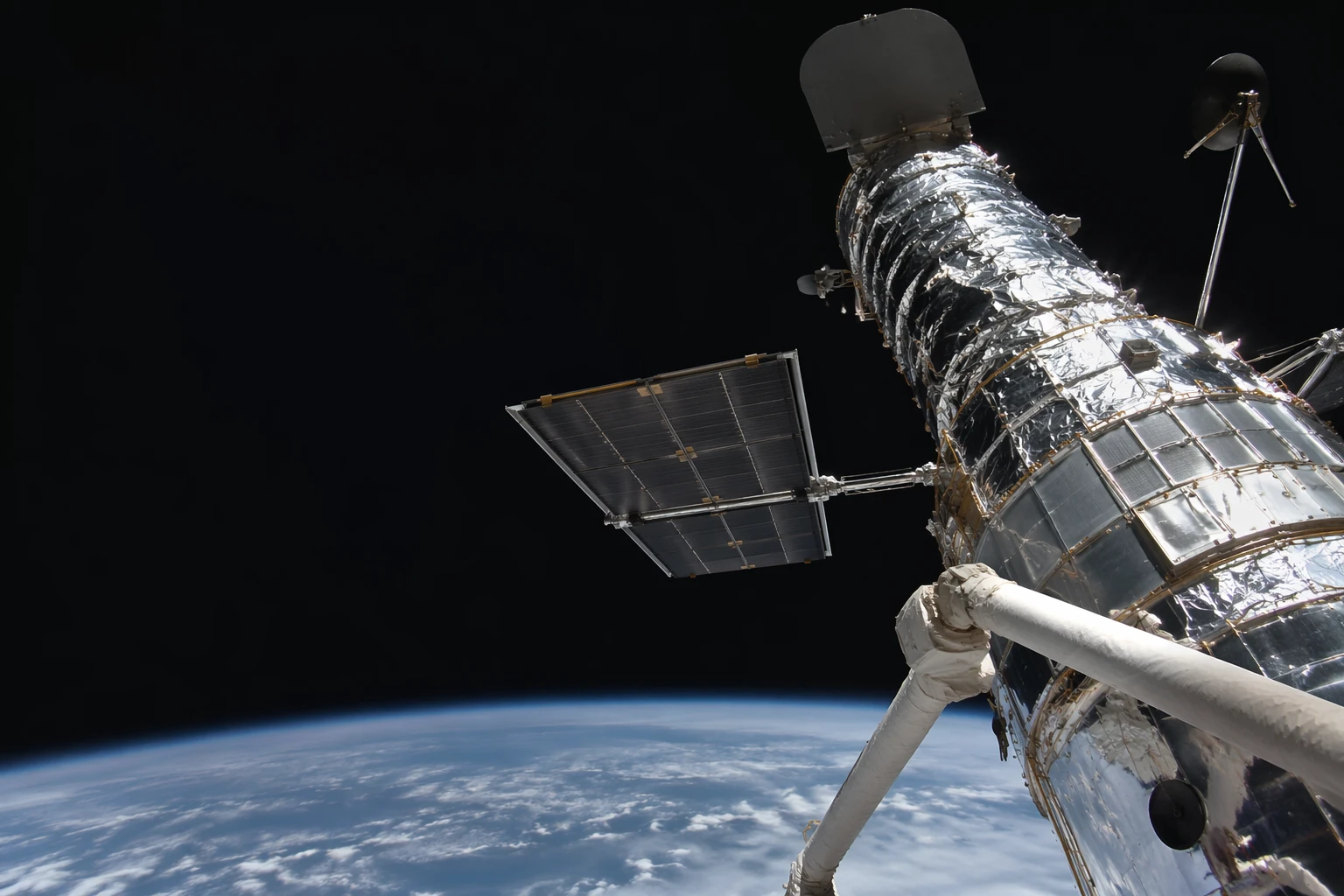
NASA and the Space Telescope Science Institute said Hubble pulled the signal from long exposures assembled across several existing surveys. The James Webb Space Telescope and the European Southern Observatory’s Very Large Telescope helped estimate the galaxy’s properties and determine when it existed, while Hubble’s ultraviolet sensitivity and space-based sharpness made the detection possible in the first place. ESA and Hubble said the light traveled for more than 12 billion years before reaching the telescope.
The source of that radiation appears to be a tightly packed cluster of young, massive stars that blasted through surrounding neutral gas. Marc Rafelski, a Hubble deputy mission head at the Space Telescope Science Institute and a co-author, said astronomers had found many galaxies from this era but had not detected ionizing photons from any of them before MXDFz4.4. Ilias Goovaerts, the study’s lead author, said the result pushes past a problem that had seemed nearly impossible because neutral hydrogen in the early universe was expected to block this kind of light.
The galaxy is about 100 times smaller by area than the Milky Way, yet it is forming stars 10 times faster. That combination helps explain how a compact system could punch through opaque gas and send energy into the space around it.
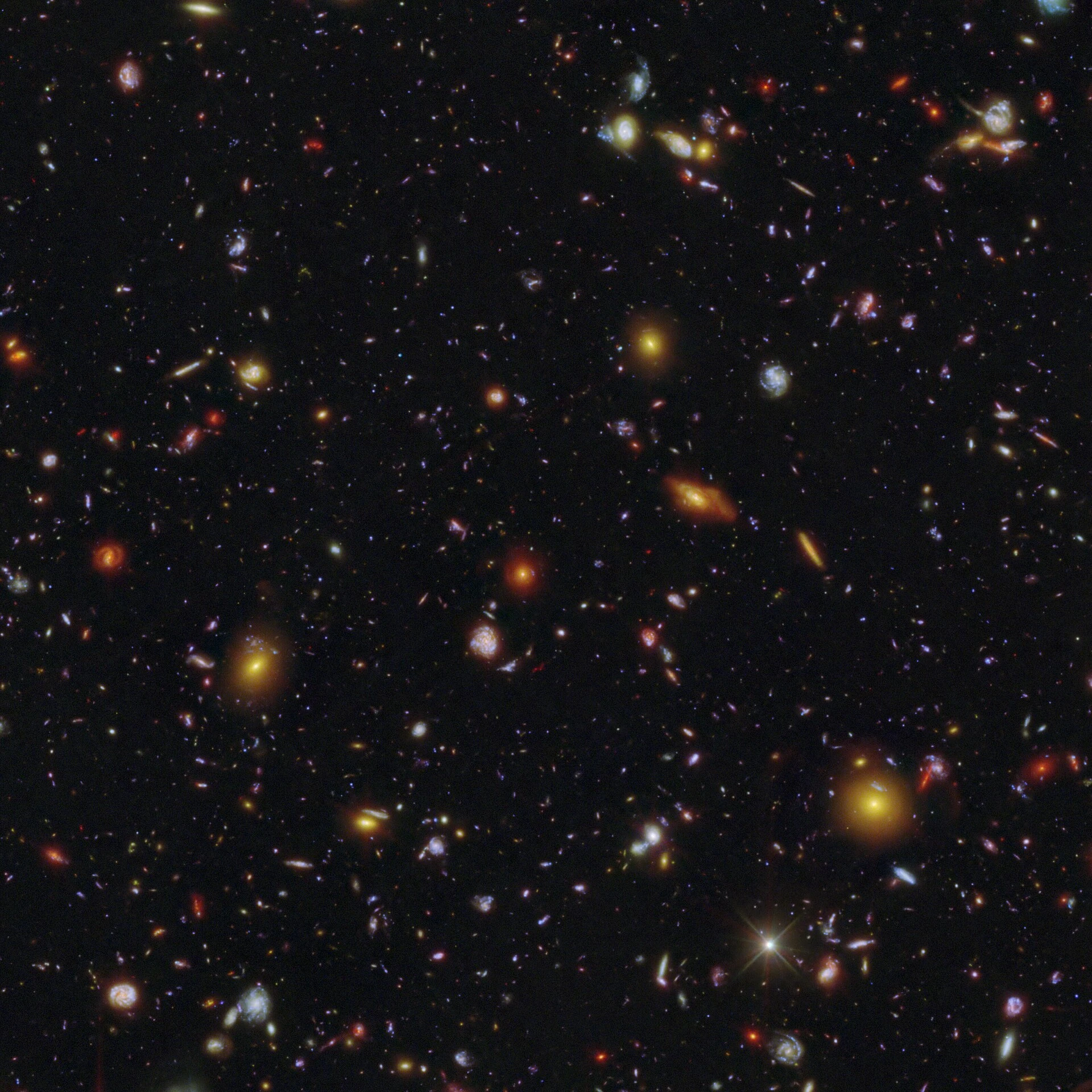
The finding matters because it lands at the end of the Era of Reionization, when the cosmos was still only about 1.4 billion years old and the transition from opacity to transparency was still unfolding. During roughly the first billion years of the universe, gas between stars and galaxies was opaque to energetic ultraviolet light, and that changeover likely took hundreds of millions of years. MXDFz4.4 adds a missing piece to how galaxies helped clear that fog and reshape the intergalactic environment as the cosmic web matured.
Sources
- [1]science.nasa.gov
- [2]stsci.edu
- [3]esahubble.org
- [4]arxiv.org