World
Huge crowds gather in Iran for slain Khamenei's burial rites
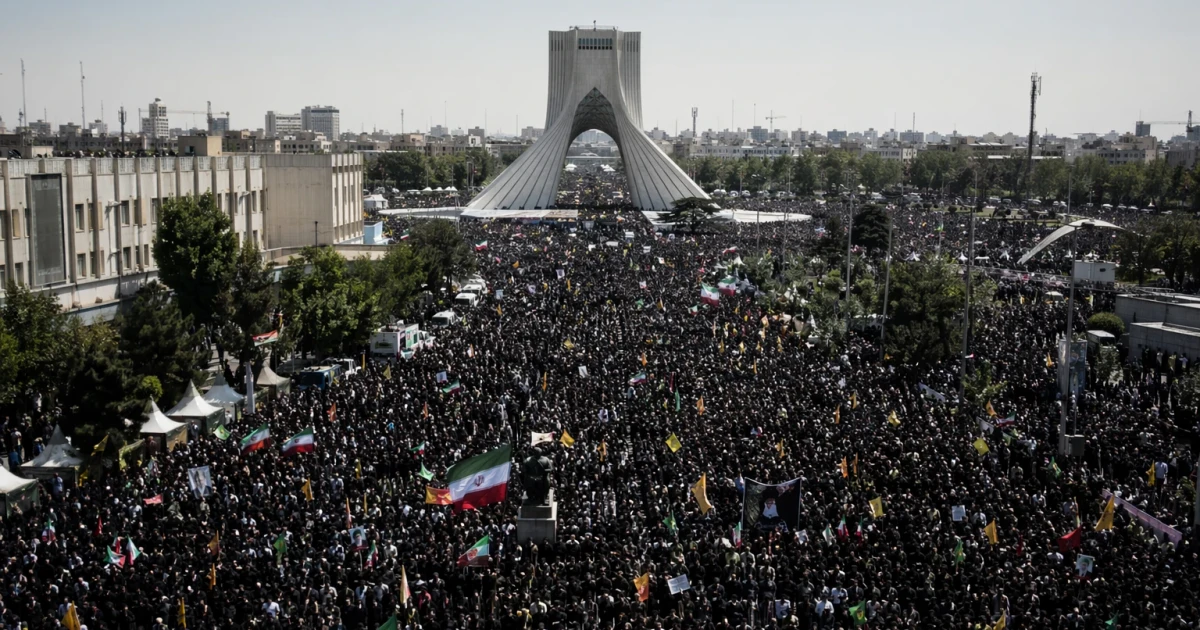
Huge crowds packed Mashhad as Iran completed the burial rites for Ali Khamenei, the 86-year-old supreme leader killed on February 28 in a joint US-Israeli air strike on his compound. The burial at the Imam Reza Shrine closed a seven-day funeral programme that began in Tehran on July 3 and moved through Qom, Najaf and Karbala before ending in Khamenei’s hometown.
The procession unfolded under a tense ceasefire and renewed US-Iran strikes, turning grief into a public test of state control. Iranian officials described the Tehran gathering as possibly the largest public assembly in the country’s modern history, while state-linked media said representatives from more than 100 countries were expected to attend the ceremonies. The sheer scale of the turnout was meant to project continuity after a war that had already delayed the burial, which had originally been scheduled for March.
In Iraq, the funeral route drew its own display of numbers and symbolism. The Popular Mobilisation Forces said more than 2.3 million people joined the procession in Najaf alone, underscoring how the mourning campaign extended beyond Iran’s borders and into major Shia holy cities. In both countries, mourners carried Iranian flags, portraits of Khamenei and revolutionary slogans, linking the dead leader’s image to the political order he helped build.
The burial also marked the first major state ceremony under Mojtaba Khamenei, the late leader’s son and designated successor, who had remained out of public view since the war began. That transition made the funeral more than a ritual of mourning: it was a public demonstration of who now controlled the machinery of the state, how far that authority could reach, and whether mass grief could still be converted into legitimacy after direct military blows from the United States and Israel.
Sources
- [1]news.google.com
- [2]aljazeera.com