World
Huge Viking textile production site uncovered in Denmark
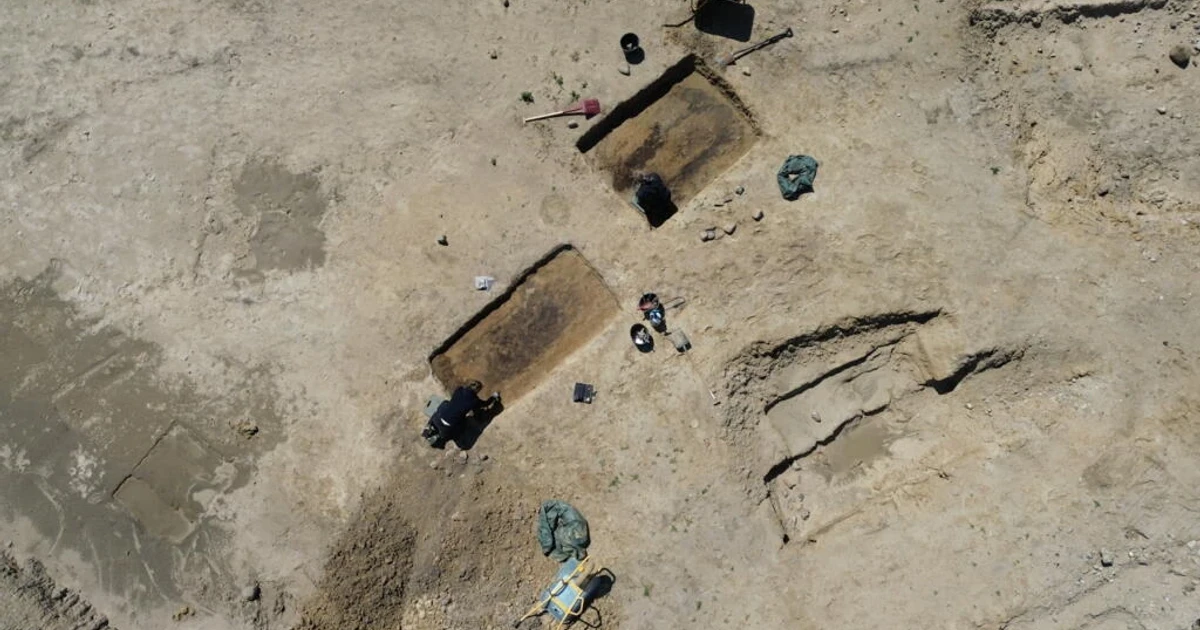
Archaeologists have uncovered a vast Viking Age textile production site in Søften, about 10 kilometers north of Aarhus, that stretches across roughly 100,000 square meters and includes more than 80 pit houses. The settlement dates to the late Iron Age and early Viking Age, between A.D. 600 and 950, and its scale points to an organized production economy rather than a simple farming village.
The 10-month excavation was led by archaeologist Liv Stidsing Reher-Langberg, whose team found clear evidence of textile work, including an area for processing flax, spindle whorls and weight looms. The dig also turned up silver coins, glass beads and pottery, along with separate areas for production and crafts and a single residential home. That layout suggests the site was overseen by a powerful figure with control over labor and resources, not a loosely arranged cluster of households.
Moesgaard Museum historian Kasper Andersen said the discovery adds another piece to the puzzle of the region’s economic, cultural and political structure. The site had already drawn attention after metal-detector users found several silver coins over the past three decades, and a trial excavation about 1½ years earlier, before road and industrial construction, helped trigger the larger investigation that followed.
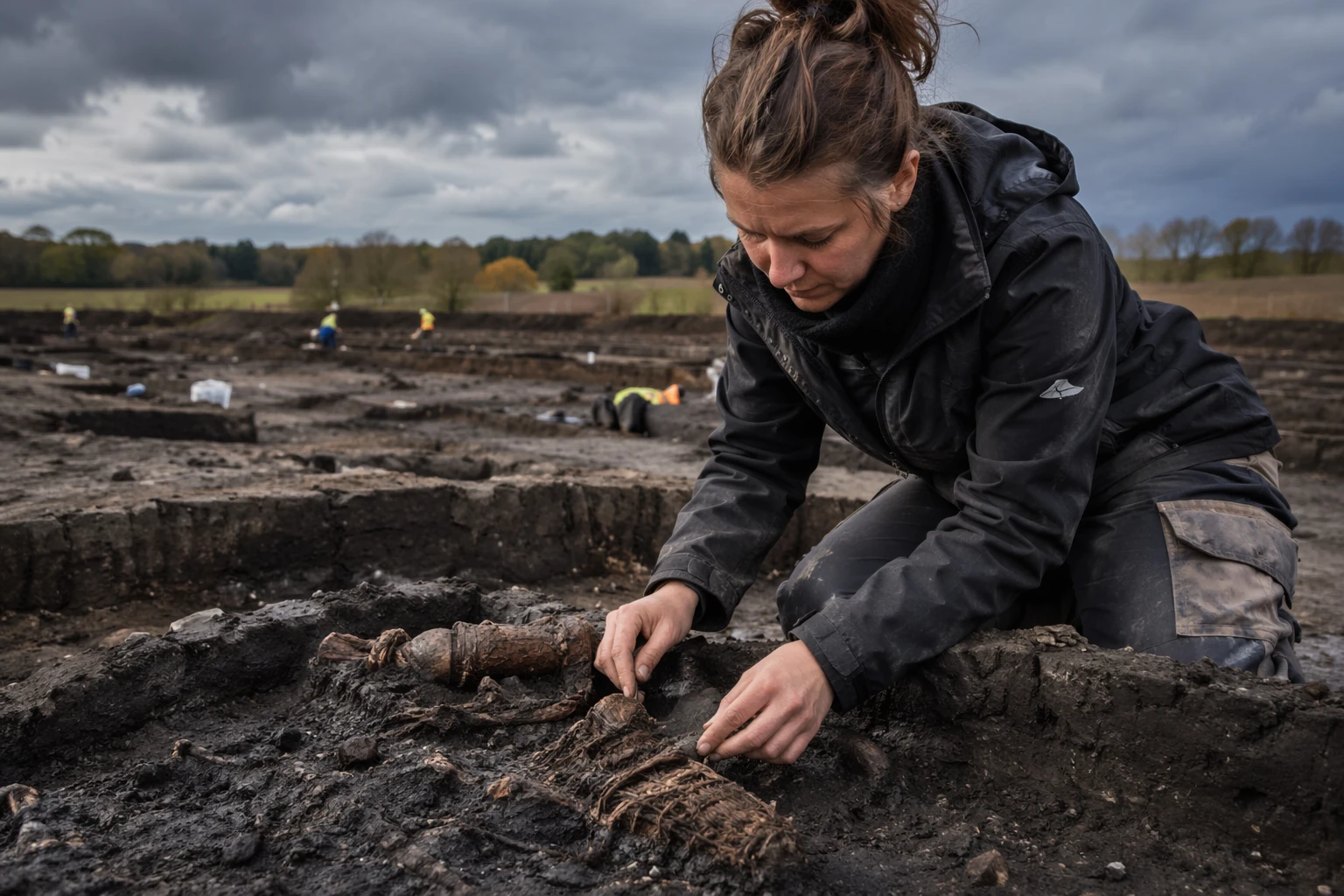
The find also sharpens the picture of Viking-era Aarhus, known then as Aros, a center of royalty and international trade. Nearby Lisbjerg has already yielded another Viking site linked to nobility, underscoring how tightly power and production were tied to the landscape around the city. The Søften evidence fits broader research in Denmark on textile production, including the University of Copenhagen’s TriVaL project, which argues that textile resources shaped settlement structure, land use, sheep grazing, cultivation of textile crops, sailcloth production and long-distance travel.
Ribe offers the clearest comparison. The Ribe Viking Museum describes the west Danish town as the world’s first Viking town and a major trade hub from around A.D. 700, showing how organized craft production and commerce helped drive Viking society. The Søften site suggests that kind of sophistication was not limited to ports and market centers, but also extended into inland production sites built around skilled labor and control of materials.
Sources
- [1]npr.org
- [2]abcnews.com
- [3]moesgaardmuseum.dk
- [4]ctr.hum.ku.dk
- [5]natmus.dk
- [6]ribesvikinger.dk