Health
Human Rights Watch says Perenco pollution in Congo threatens local health
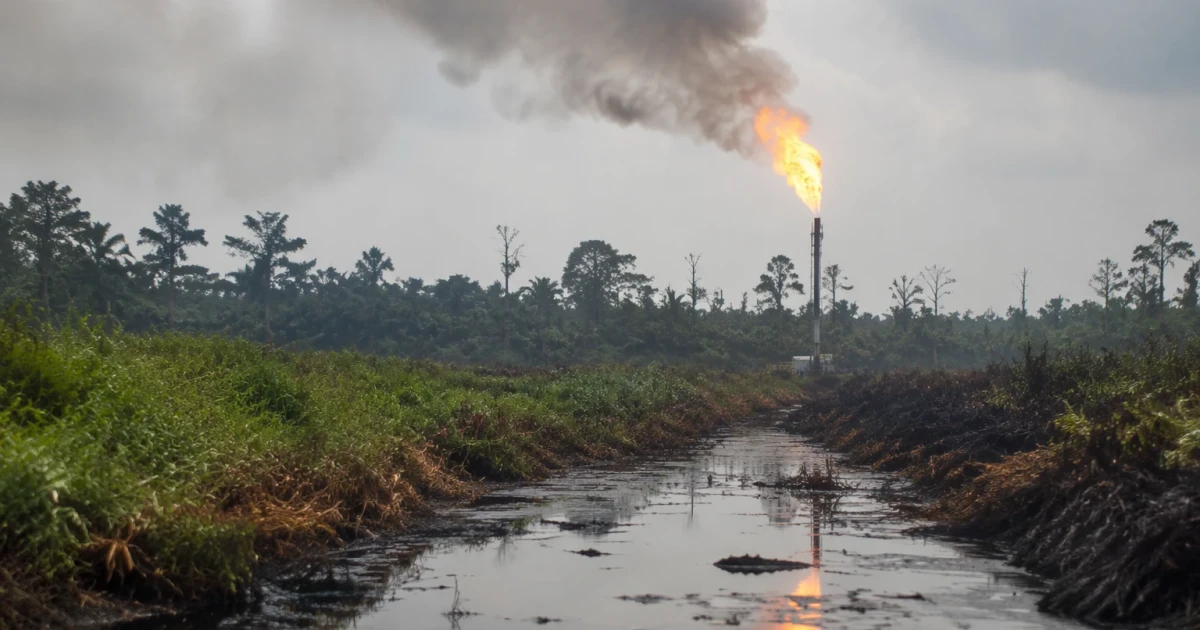
Human Rights Watch said on July 27 that pollution linked to Perenco’s oil operations in the Democratic Republic of Congo was exposing nearby communities to health risks, including respiratory illnesses and chest pain. The group’s report, titled DR Congo: Oil Company Operations Pose Grave Pollution Threat, said transparency is needed to address the danger facing people living near the company’s sites.
The case turns on how industrial pollution reaches people on the ground. Human Rights Watch pointed to gas flaring and waste burning, two sources of emissions that can send contaminants into the air and leave nearby residents breathing polluted smoke. In Congo, where Perenco is the country’s sole oil producer, the scale of the company’s presence makes those exposures harder to dismiss. Perenco’s Congo production amounted to 72,500 barrels of oil and gas per day in 2025.
The accountability question goes back before the latest warning. Congolese authorities ordered environmental and operational audits of Perenco in January 2025, signaling official concern over the company’s record. Three months later, a major gas release at a crude oil storage facility in Kitombe, in southwestern Congo, was followed by villagers reporting respiratory problems, dizziness, diarrhea and crop failures. A parliamentary investigation later supported residents’ claims.
That history matters because it shows the path from oil operations to human harm. Emissions from flaring and waste burning can affect air quality immediately, while contamination can also reach water, soil, fishing grounds and farmland. In a country where oil and mining revenues matter to the state but many local residents still lack reliable infrastructure and health services, disputes over pollution quickly become fights over who bears the cost of extraction.
Perenco’s footprint stretches far beyond Congo. The company operates in 14 countries, its own profile says it was founded more than 30 years ago, and a company profile snippet puts gross production at about 483,000 BOEPD and its workforce at more than 8,500 employees. In Congo, where the firm is the only oil producer and operates near a mangrove protected area, those numbers underline why environmental complaints carry political weight as well as health risks.
Sources
- [1]reuters.com
- [2]hrw.org
- [3]news.mongabay.com
- [4]disclose.ngo
- [5]perenco.com
- [6]uk.linkedin.com
- [7]asso-sherpa.org
- [8]investigate-europe.eu
- [9]eia.org
- [10]multinationales.org