Technology
Humanoid raises $152 million at $1.35 billion valuation

Humanoid raised $152 million in a Series A round at a $1.35 billion post-money valuation, a price that puts an early robotics startup in unicorn territory and raises a blunt question: what milestone justifies that number?
The company said the financing brought its total funding to $270 million and made it Europe’s first pure-play humanoid robotics unicorn just two years after founding. That is a fast climb for a hardware company still trying to prove that humanoid machines can move beyond impressive prototypes and into regular industrial work.
The deal lands as investors keep pressing into AI, robotics and automation, sectors that have drawn heavy capital because of the promise of machines that can perceive, decide and act in the physical world. Humanoid has been described as aiming to bring human-like robots into factories and to accelerate industrial robotics, positioning itself for labor-intensive settings where automation can potentially reduce bottlenecks and improve efficiency.
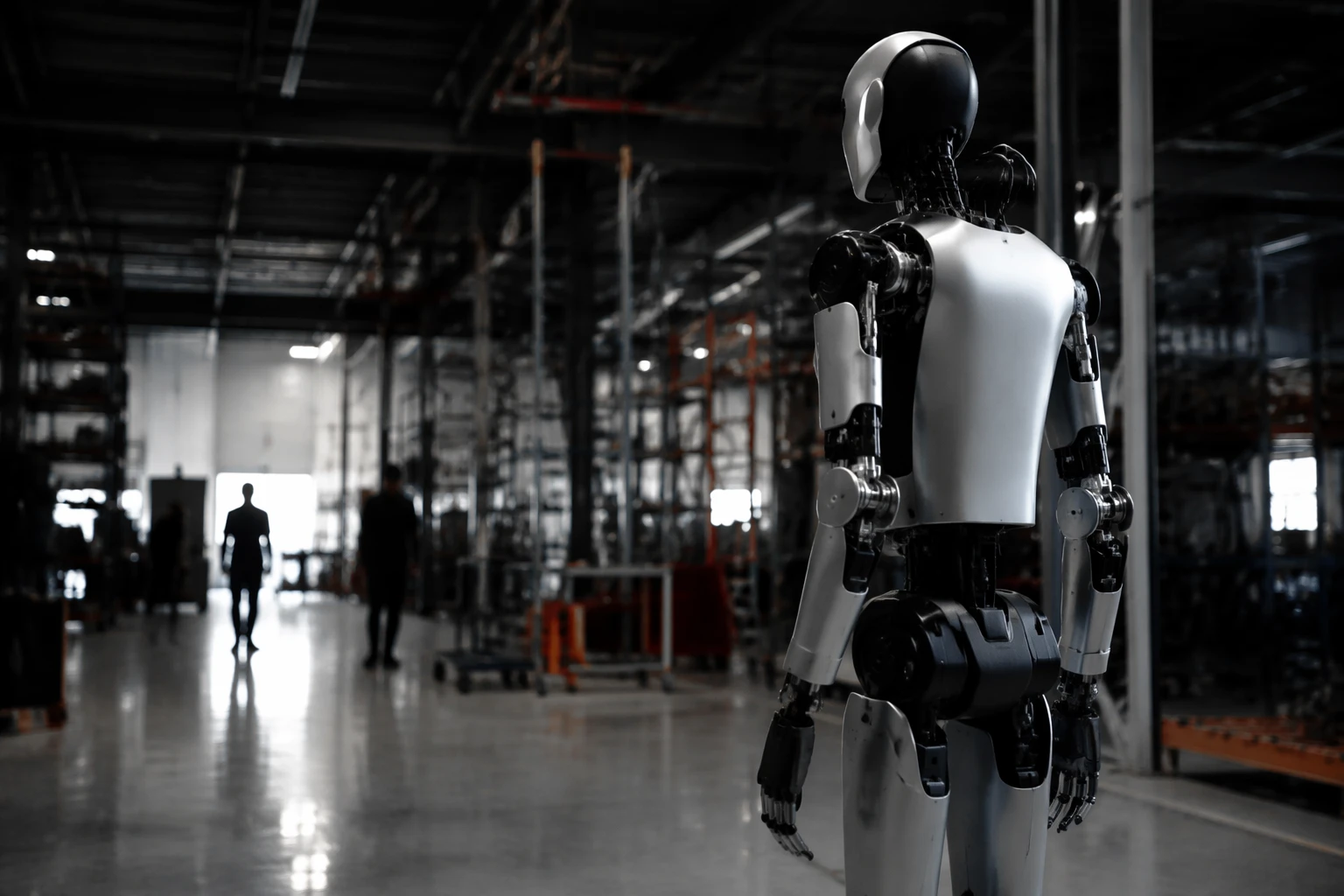
The timing also highlights the gap between enthusiasm and deployment. Series A rounds are usually an early step in a startup’s life, not a moment when billion-dollar prices are routine. In robotics, that gap can be especially wide: building reliable hardware is costly, proving consistent performance takes time, and customers in manufacturing or logistics often demand a clear return before they commit to new machines at scale. A sleek demo does not guarantee repeatable use on a factory floor.
Humanoid’s valuation also reflects how much the market is rewarding companies near the frontier of AI. Backers are not just funding a robot maker; they are betting that advances in perception, control and task execution will eventually turn humanoid robots into practical tools for industrial sites. That is a more demanding test than software alone, because the product has to survive contact with real equipment, real workers and real production schedules.
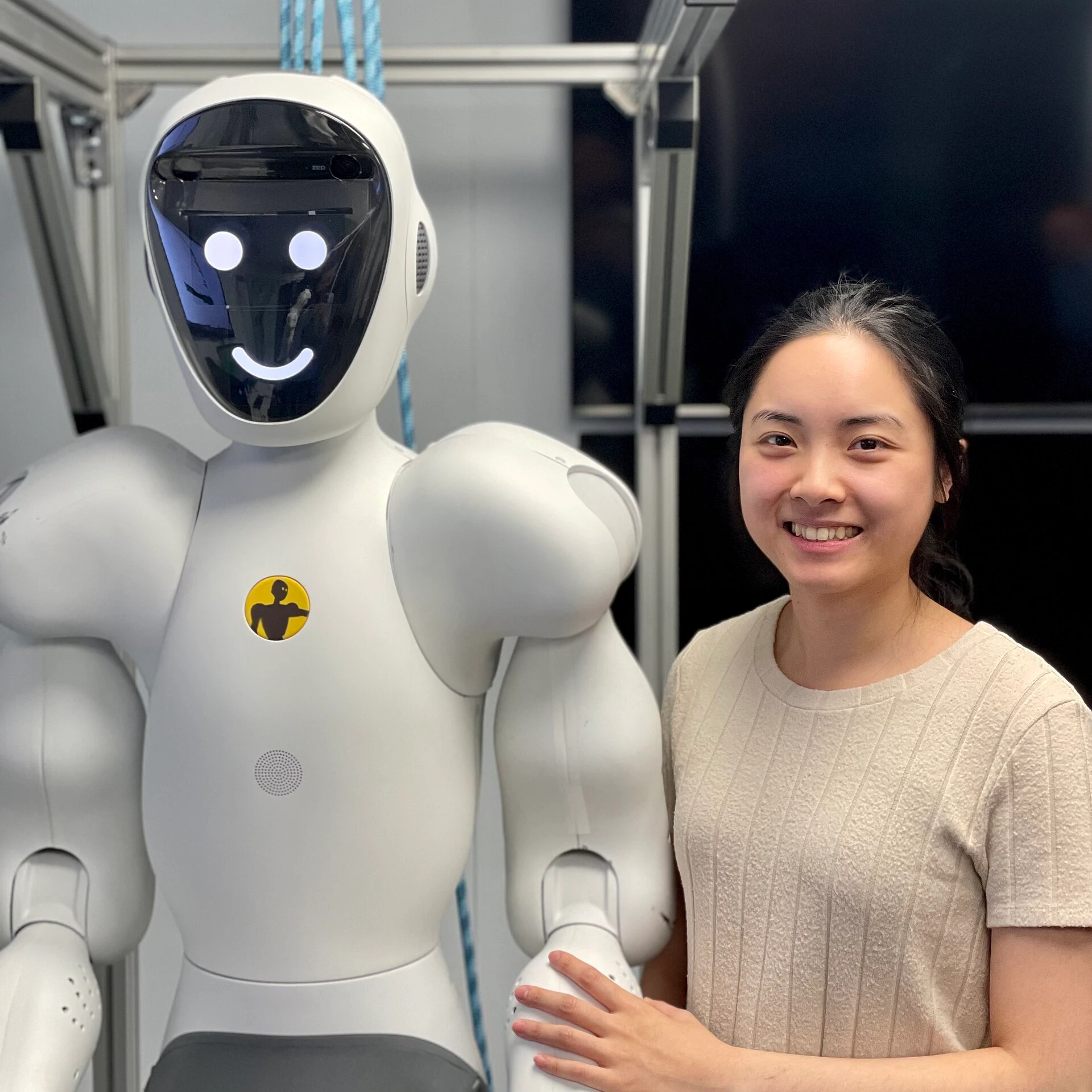
For the United Kingdom and Europe’s robotics scene, the company’s claim to be the region’s first pure-play humanoid robotics unicorn gives the round added symbolic weight. For the wider market, it is another sign that capital is still chasing the next robotics platform even as the industry remains defined by long development cycles, high burn and uncertain near-term profitability. The real benchmark will not be the valuation itself, but whether Humanoid can translate that money into robots that work reliably enough for factories to pay for them.
Sources
- [1]reuters.com
- [2]x.com
- [3]roboticstomorrow.com
- [4]techfundingnews.com
- [5]forbes.com
- [6]bbx.com
- [7]karvtechinsider.com
- [8]vestbee.com