World
Hundreds evacuated as fire destroys more than 100 homes in Norway
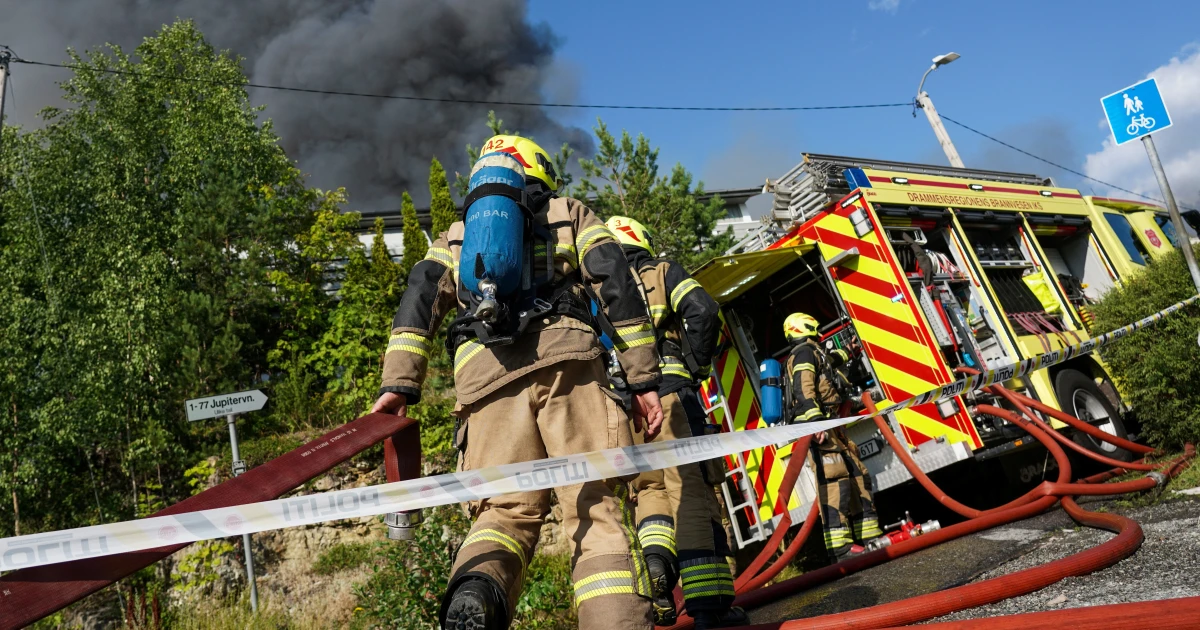
More than 400 residents were evacuated as a fire destroyed more than 100 homes in southern Norway, turning the Krokstadelva village area near Drammen into the site of the largest residential fire in modern Norwegian history. Firefighters were still battling the blaze amid strong winds as local police said the fire remained out of control.
The fire broke out on July 17, 2026, around 30 miles west of Oslo, and spread through terraced houses before reaching a nearby forest. Reuters reported that firefighters were working to contain the flames as the number of destroyed homes climbed past 100, while ReutersConnect put the evacuation figure at more than 400 people.
No casualties or missing people had been reported when the latest updates were issued, a crucial point in a fire that moved fast enough to overwhelm a residential area in one of Europe’s wealthier and better-resourced countries. The scale of the evacuations and losses has drawn attention to how quickly fire can overtake housing stock when strong winds, dry conditions and closely packed buildings combine.
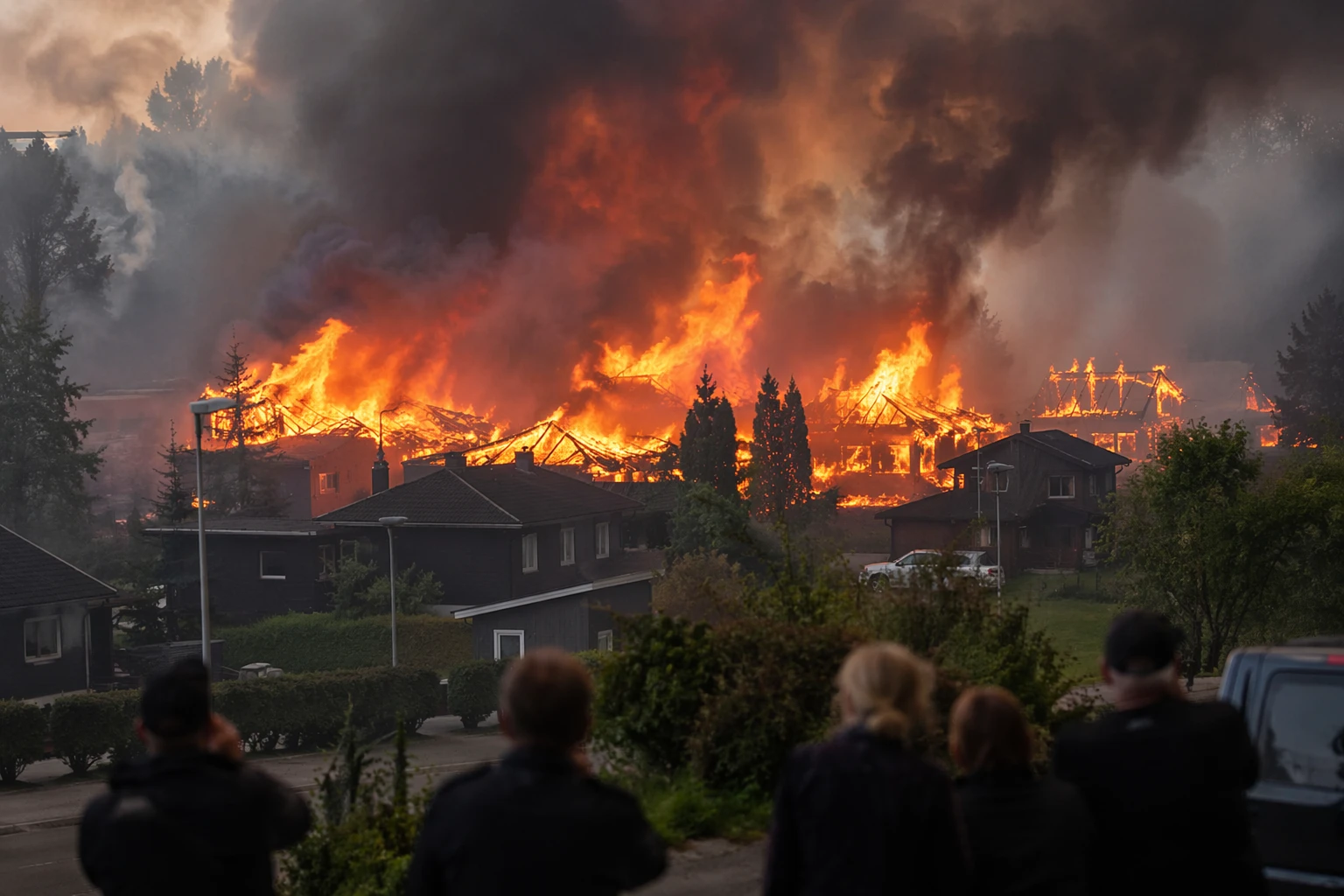
The damage in Drammen raises immediate questions about emergency planning and the vulnerability of communities built near forest edges. Krokstadelva sits in a populated corridor rather than a remote wildfire zone, yet the flames still jumped into homes and forced a large-scale evacuation, suggesting that response speed, road access, alert systems and the spacing of buildings all mattered as much as the fire itself.
Fire crews from other parts of Norway were drafted in to help tackle the blaze, underscoring how much pressure the incident placed on local resources. The effort to contain the fire also points to the limits of standard preparedness when a structural fire behaves like a fast-moving landscape fire, pushing from houses into woodland and back toward more homes.
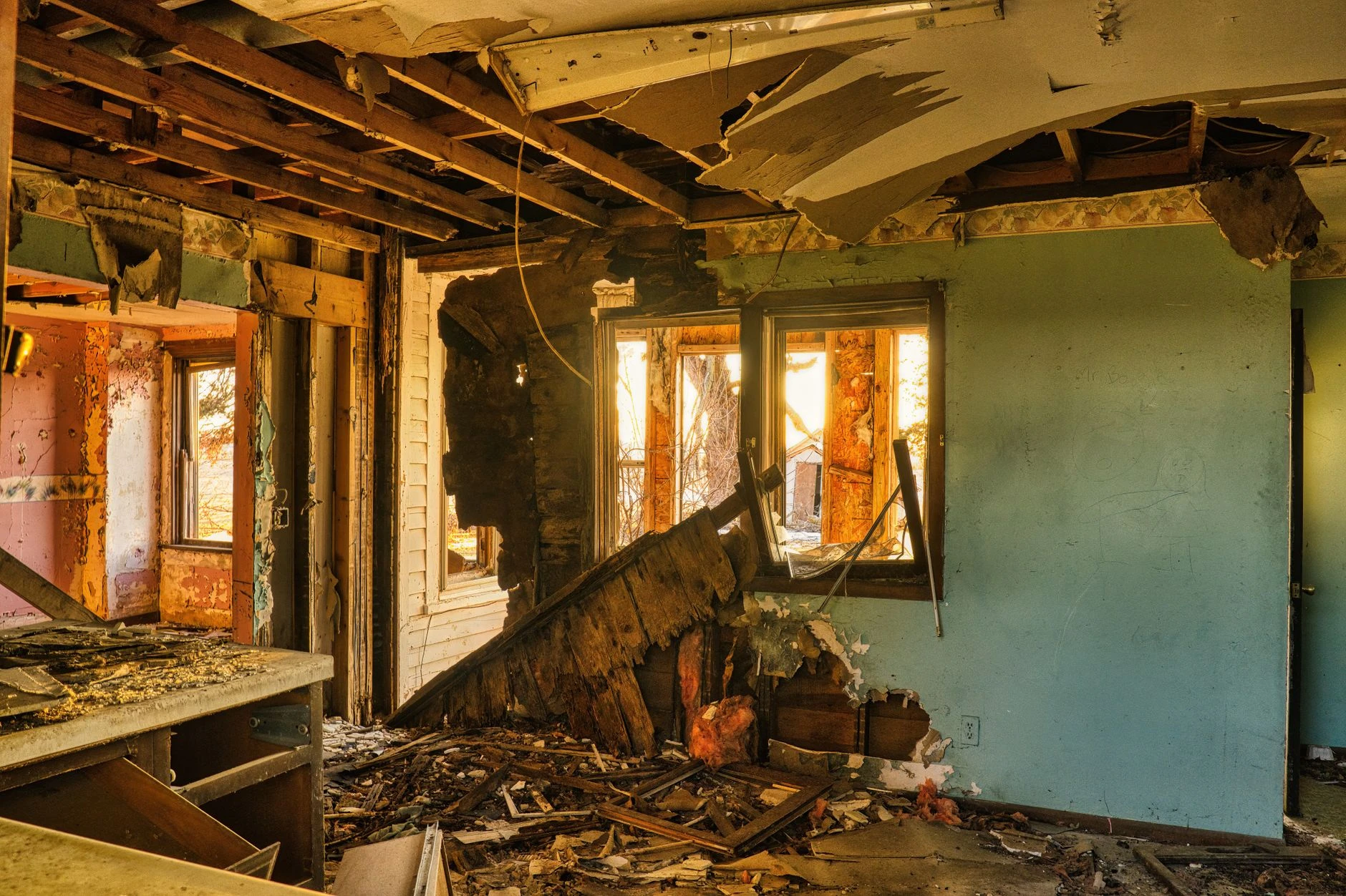
For families who lost houses, the consequences will extend well beyond the initial evacuation. The immediate task is shelter, safety checks and finding out which damaged properties can ever be entered again. The longer reckoning will involve investigators, utilities, insurers and local planners deciding whether current building patterns, fire breaks and emergency procedures are strong enough for a fire reality that is moving faster than the old assumptions behind it.
Sources
- [1]reuters.com
- [2]reutersconnect.com
- [3]cp24.com
- [4]bbc.com
- [5]en.tempo.co
- [6]the-independent.com