World
Hundreds protest in Northern Ireland after north Belfast knife attack
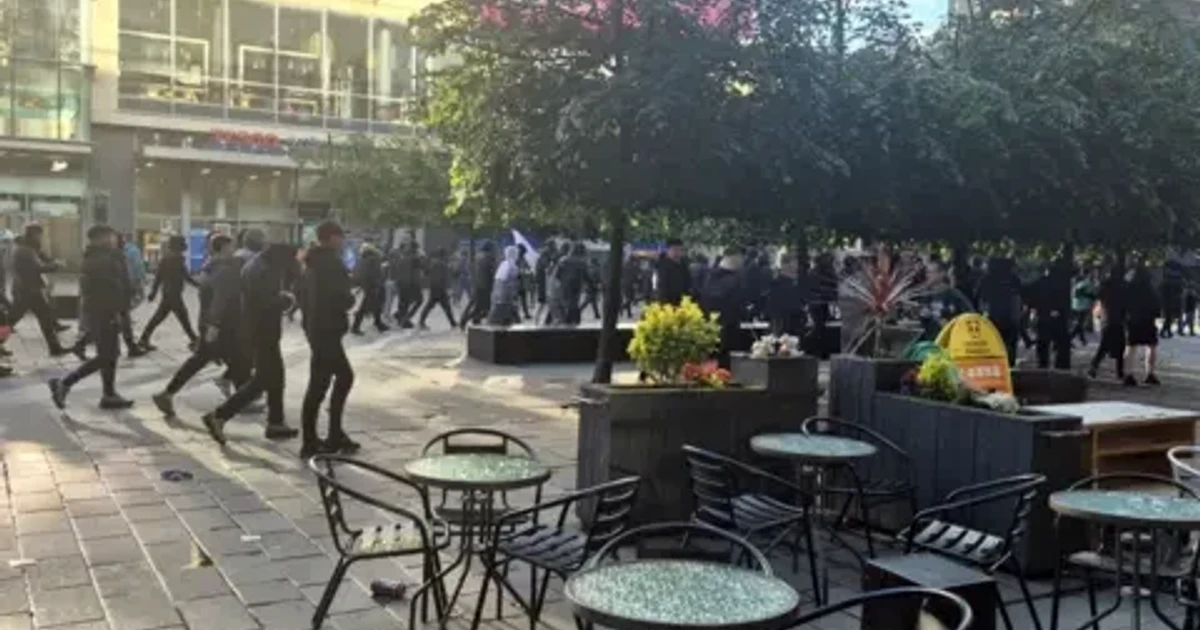
Masked demonstrators with Union flags and banners took to streets across Northern Ireland and Scotland after a knife attack in north Belfast, turning one violent incident into a wider burst of street mobilization. In Glasgow, Edinburgh, Aberdeen and Ayr, the protests were framed around immigration and disorder, while police moved to contain the risk of copycat unrest.
The original attack happened outside an apartment complex on Kinnaird Avenue, near the Antrim Road in north Belfast, on Monday night, 9 June 2026. Police said a man in his 40s remained in serious condition in hospital with significant injuries to his eyes, face, neck and back. A kitchen knife was recovered from the scene, and the suspect, a man in his 30s from Sudan, was arrested on suspicion of attempted murder and was due in court on Wednesday, 10 June 2026.
The Police Service of Northern Ireland said there was no indication the stabbing was terror-related, even as the case was treated as a critical incident and worked on with counter-terrorism officers. Jon Boutcher said the suspect had leave to remain in the UK and was understood to have claimed asylum after arriving in Belfast from Dublin by bus on 10 February 2023. Police also said he was not known to the force and was not on national security databases. Officers initially said they believed he was from Somalia before correcting that account.
The political response was immediate. Sir Keir Starmer condemned the violence as “horrific” and “sickening,” while PSNI Assistant Chief Constable Ryan Henderson thanked members of the public who stepped in to help the victim, calling their actions brave and a sign of “incredible bravery and community spirit.”
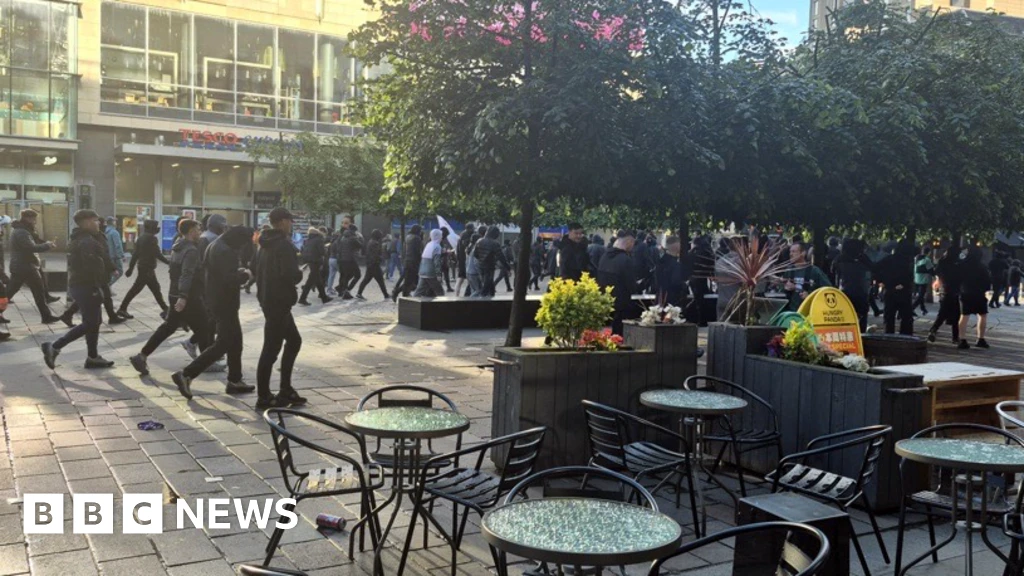
By Tuesday, the Belfast unrest had spilled beyond the city. Reports from Scotland described anti-immigration demonstrations in Glasgow, Edinburgh, Aberdeen and Ayr, with a large police presence in Glasgow city centre. Glasgow Bridge and Midland Street were closed to pedestrians as officers tried to hold back the crowd and keep traffic moving.
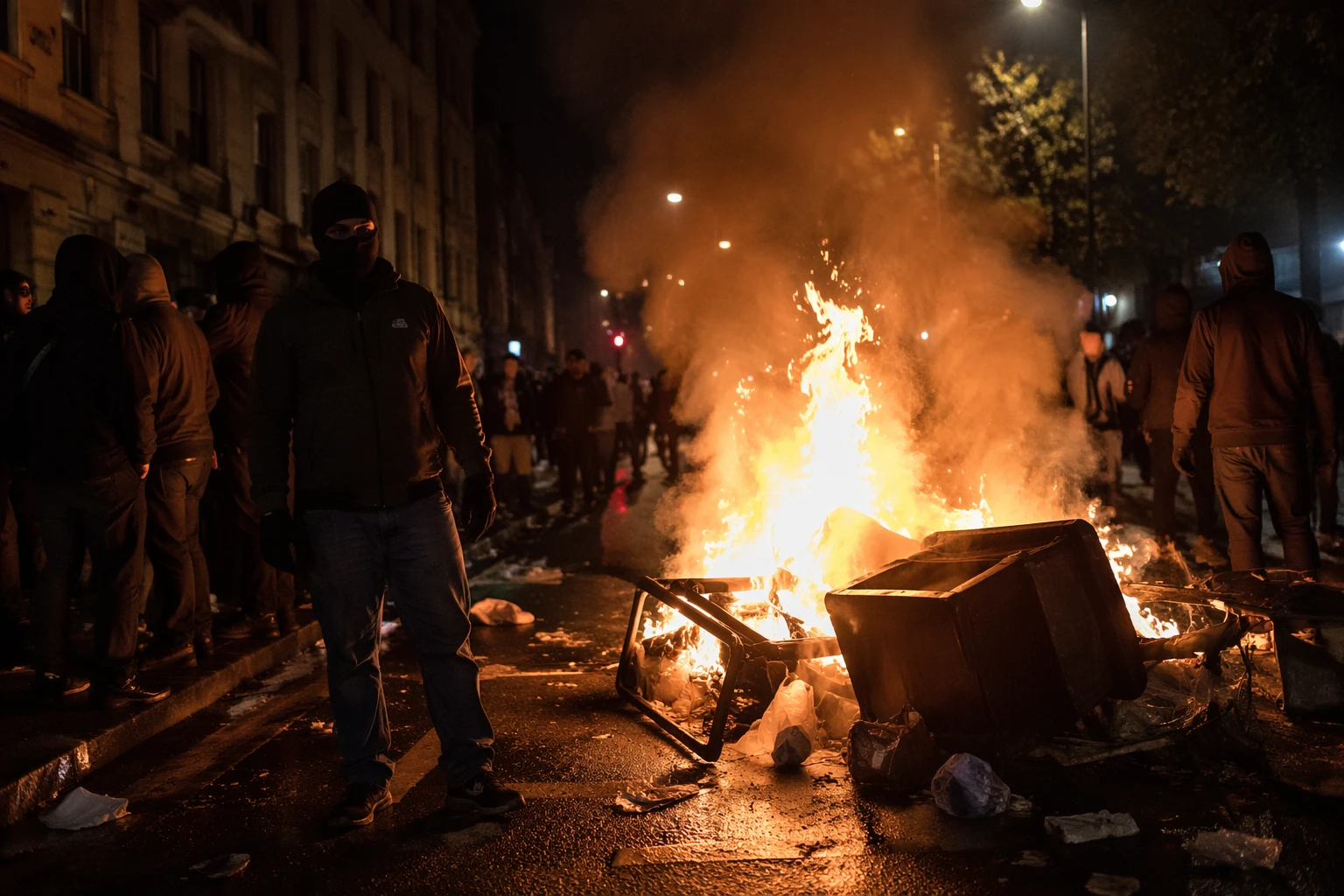
In Belfast, the disorder included masked protesters, fires, damaged vehicles and residents fleeing homes in some areas, deepening alarm about the speed with which sectarian and race-hate tensions can spread. The protests are now being watched as a test of whether a violent assault in one part of the UK can be quickly repurposed into a broader campaign of agitation elsewhere, or whether police can break the cycle before it hardens into something more organized.
Sources
- [1]bbc.com
- [2]news.sky.com
- [3]abcnews.com
- [4]news.stv.tv
- [5]heraldscotland.com