World
Hundreds seek transcendence at whirling dervish retreat in Turkey
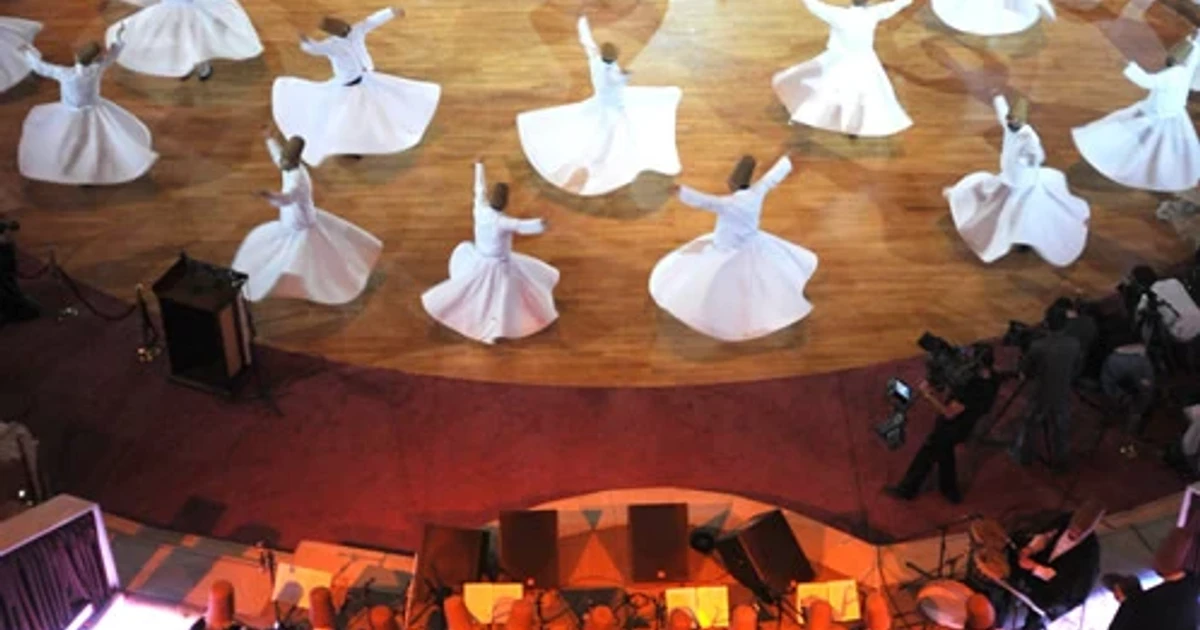
Hundreds of people spent seven days in the Turkish countryside chasing transcendence through sema, the whirling practice at the center of the Mevlevi Sema ceremony. The retreat turned a centuries-old devotional ritual into a drawn-out immersion, drawing international participants who wanted more than the brief, staged versions often offered to visitors in Turkey.
The ceremony’s spiritual weight is not in dispute. UNESCO inscribed the Mevlevi Sema ceremony in 2008 on the Representative List of the Intangible Cultural Heritage of Humanity, after it was originally proclaimed in 2005, and identifies the tradition with Türkiye. UNESCO’s captions also use the title “Mevlevi Sema Ceremony in Şeb-i Arûs,” underscoring the ritual’s formal place in cultural heritage records rather than in the wellness market now circling it.
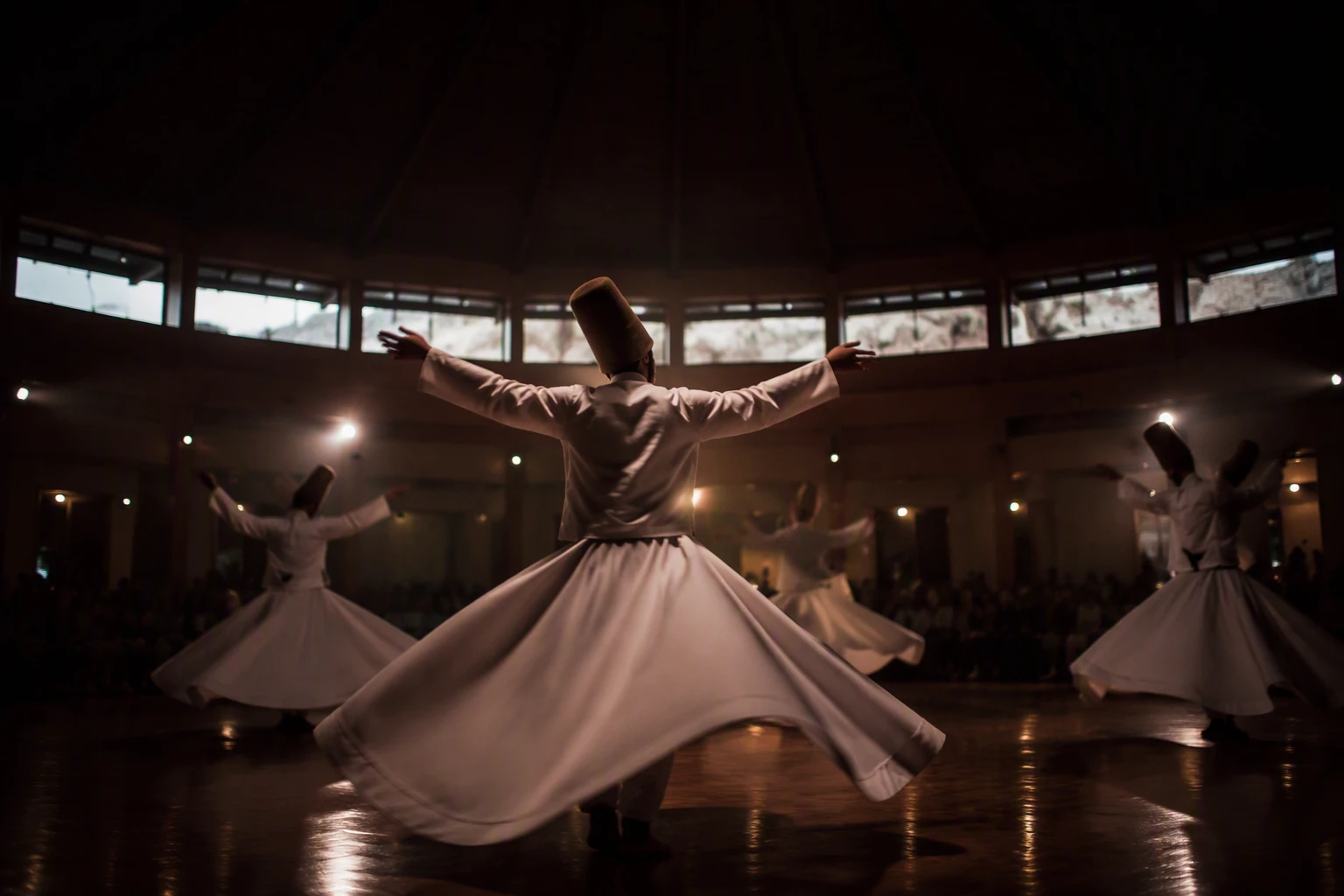
That market has long been visible in Turkey’s travel economy. A Washington Post travel piece in 2019 described whirling dervish performances as a cultural experience tourists seek in Turkey, while noting that audiences often watch in Istanbul. Years earlier, a Los Angeles Times article in 2001 described women whirling alongside men in an Istanbul-based breakaway group as a break from tradition, and said the sema belongs to a mystical branch of Islam founded more than 700 years ago. The contrast between heritage and performance has only sharpened since then.
Konya remains the tradition’s deepest reference point. The Mevlevi order was founded there in the 13th century, and travel reporting has long treated the city as the best place to witness whirling dervishes. That lineage matters when sema is reframed for visitors: in Konya, the ritual still carries the authority of origin, while in tourist circuits it can become a packaged encounter, stripped down to spectacle, posture, and photo opportunity.
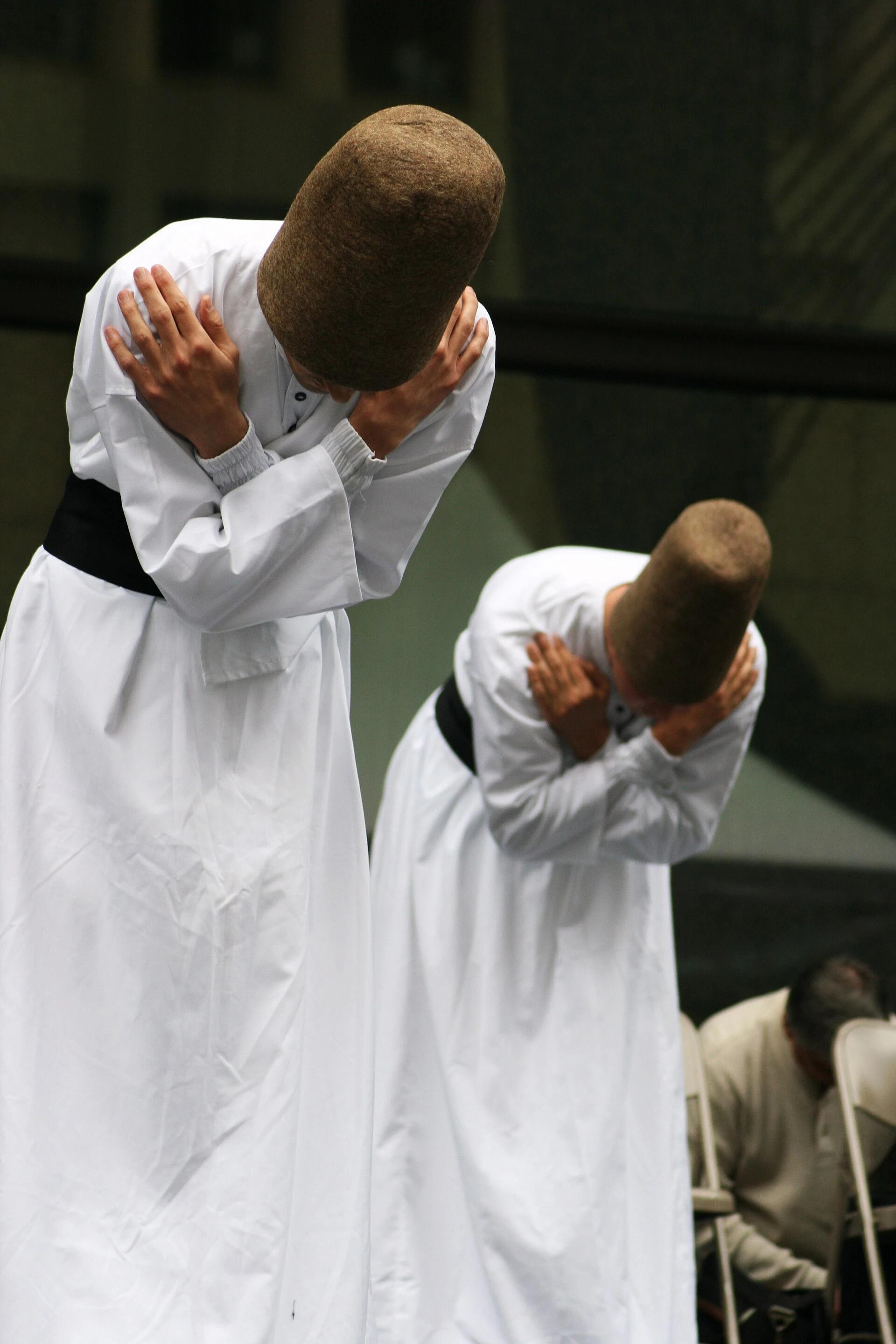
The seven-day retreat in the countryside sat squarely between those two poles. It offered participants sustained contact with a practice that UNESCO classifies as living heritage, yet it also reflected the global appetite for spiritually charged experiences that promise identity, healing, and transcendence alongside cultural access. The popularity of that model shows how sacred forms can travel far from their roots without losing their power, even as commercialization continues to test where devotion ends and experience tourism begins.
Sources
- [1]nytimes.com
- [2]ich.unesco.org
- [3]latimes.com
- [4]washingtonpost.com
- [5]theistanbulinsider.com