Politics
Hungary elects Orbán critic András Baka as new president
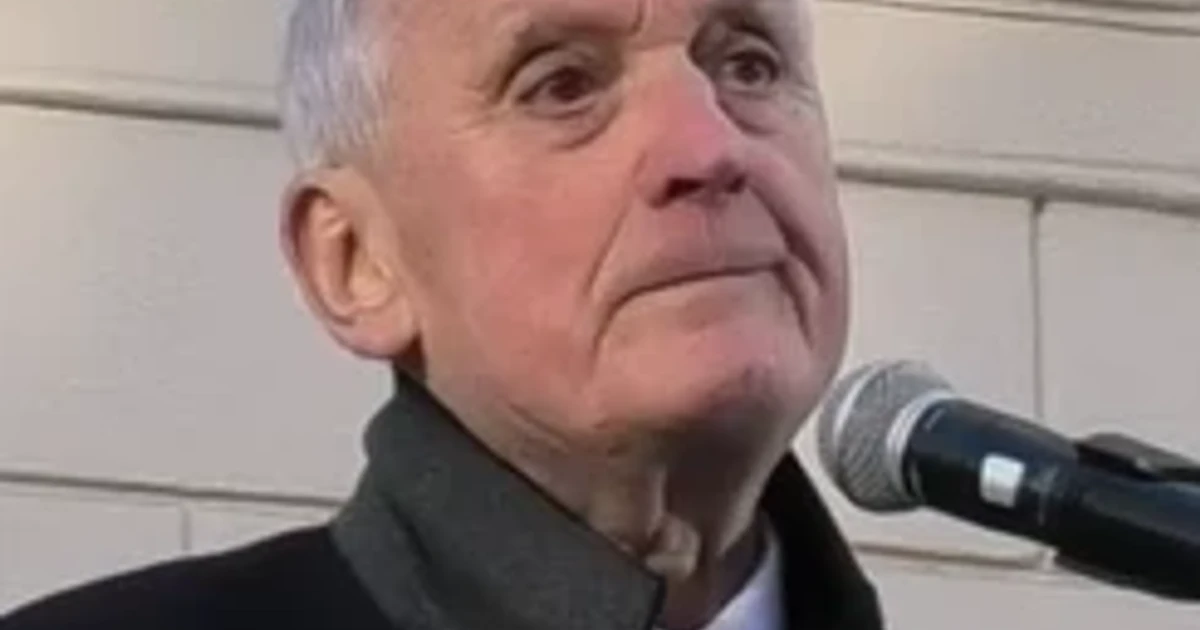
Hungary’s parliament elected András Baka as president in a 140-6 secret ballot that Fidesz boycotted, installing a former head of the Supreme Court who was once removed from that judicial post under Viktor Orbán. The result put a long-time Orbán critic into a role that is largely ceremonial, but still carries weight when political conflict reaches the country’s top institutions.
Baka was the sole candidate put forward by the Tisza Party, and he was sworn in immediately after the vote. He called for unity after taking the oath, as the new government moved to put its mark on one of the state’s most visible offices.
The choice matters because Hungary’s presidency, while not an executive post, can still shape the tone of political crises. The office signs legislation, represents national unity and can influence the pace of confrontation when constitutional tensions rise. In a system that opponents say was centralized for years under Orbán, control of even a symbolic office can signal whether old party loyalties still dominate or whether the balance of power is shifting.
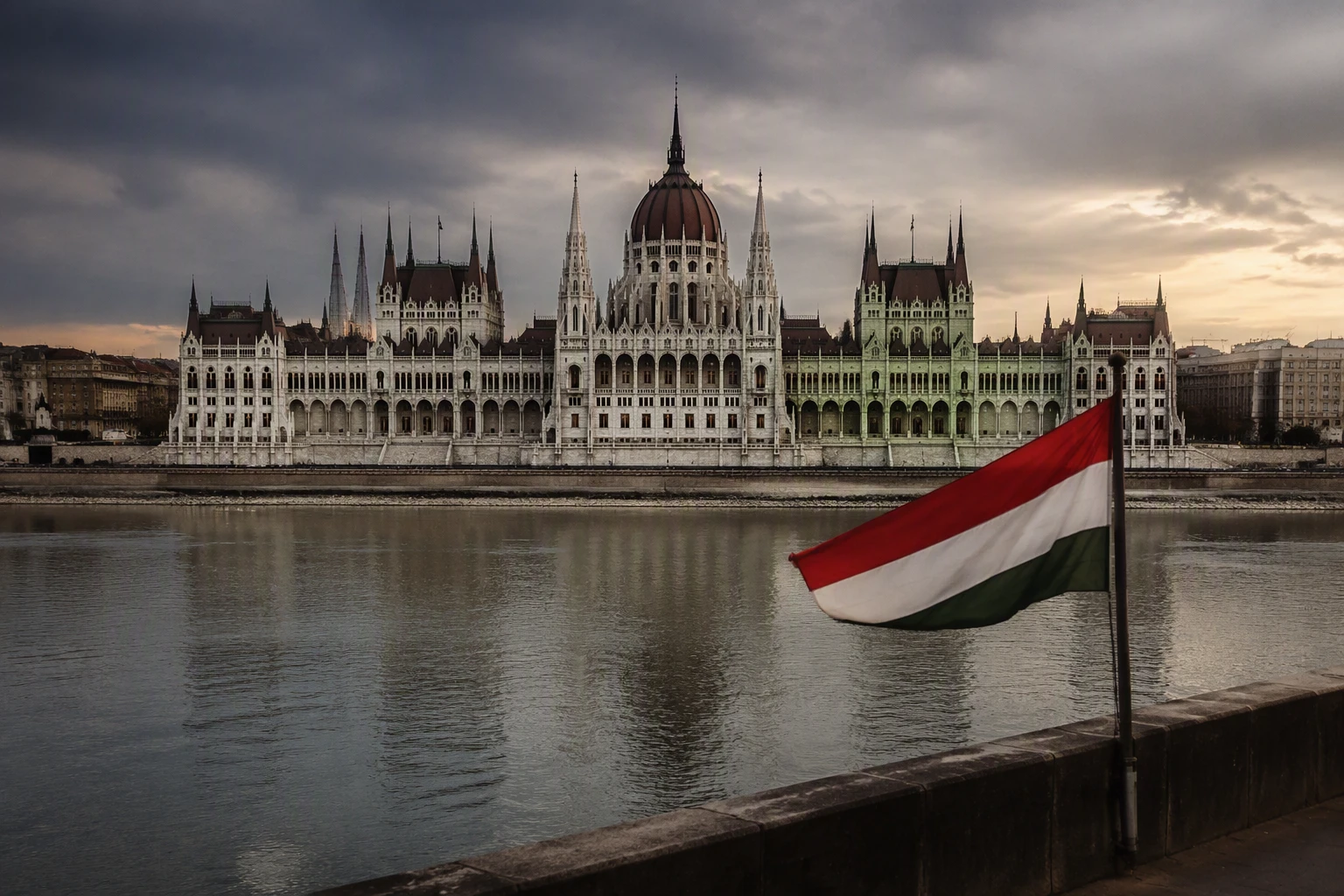
Orbán’s tenure began in 2010 and lasted until he lost power in 2026, a period marked by bitter disputes over the rule of law, media independence, civil society and Hungary’s relationship with the European Union. Critics said his model concentrated authority around Fidesz and its allies, while supporters argued it protected sovereignty and stability. Baka’s election adds another layer to that political break because he was previously removed from the Supreme Court during Orbán’s rule, making his return to a top national post especially charged.
Prime Minister Péter Magyar has framed the transition as part of a broader effort to dismantle the structures left behind by Orbán. The presidency alone will not redraw Hungary’s political map, but the vote in Budapest showed how the new governing camp is trying to reshape the country’s institutions, not just its personnel. Whether that change reaches beyond symbolism will depend on how far the new alignment can alter the habits of power built over more than a decade.
Sources
- [1]apnews.com
- [2]reuters.com
- [3]aljazeera.com
- [4]straitstimes.com
- [5]whbl.com
- [6]wral.com