World
Hungary Extends Support to Iran Following Attack on Hezbollah
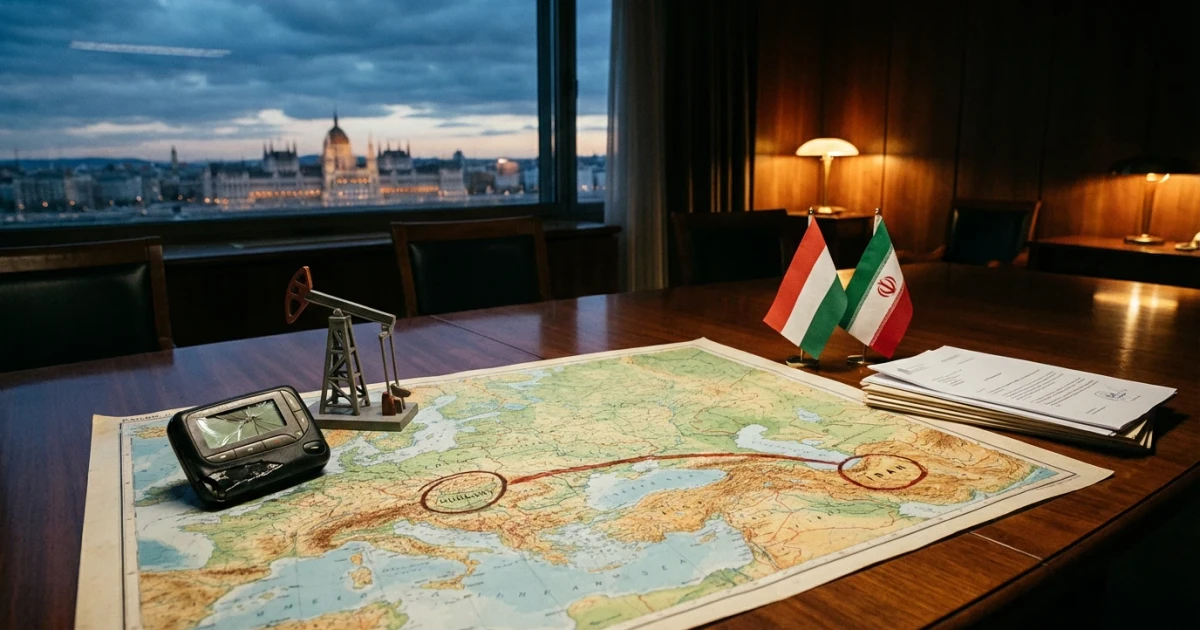
Hungary has extended an offer of assistance to Iran in the wake of a recent pager attack on Hezbollah, signaling a deepening relationship between the two countries amid ongoing regional tensions. The move, reported by The Washington Post, comes at a time of heightened scrutiny over Hungary’s foreign policy and its energy ties in the Middle East.
Background: Attack Targets Hezbollah
The attack, which targeted Hezbollah—a group long supported by Iran and based in Lebanon—has increased diplomatic activity among countries with vested interests in the region. While details of the attack remain limited, the event underscored the complex web of alliances and adversaries in the Middle East. Iran’s support for Hezbollah is well-documented, with the organization receiving significant military and financial backing from Tehran, according to analysis by the Center for Strategic and International Studies.
Hungary's Offer of Assistance
Following the attack, Hungary reportedly reached out to Iran with an offer of help. The nature of this assistance has not been specified, but analysts suggest it could range from diplomatic support to energy cooperation, given Hungary’s historic reliance on foreign energy sources. The Washington Post highlighted this diplomatic outreach as a notable development in Hungary's foreign relations, especially as an EU member state with obligations under the EU-Iran Relations framework.
Energy Policy and Strategic Interests
Hungary’s engagement with Iran also reflects broader energy and strategic interests. As a signatory to the Energy Charter Treaty, Hungary has sought to diversify its energy partners, sometimes taking positions that diverge from its European allies. The Brookings Institution notes that Hungary under Prime Minister Viktor Orbán has charted an independent foreign policy course, often balancing EU commitments with its own energy security priorities.
- Hungary imports a significant portion of its energy, making energy diplomacy central to its foreign policy.
- Iran, with its vast oil and gas reserves, remains an appealing partner despite international sanctions and restrictions documented by the UN Security Council.
- The EU has maintained a nuanced approach to Iran, balancing economic engagement with concerns over Tehran’s foreign policy and support for groups like Hezbollah.
Regional and International Reactions
The Hungarian government’s offer to Iran has raised questions among EU partners, who remain cautious about direct engagement with Tehran, particularly in the context of ongoing arms transfers and Iran’s support for non-state actors. While Hungary’s move underscores its pursuit of an independent foreign policy, it also highlights tensions within the EU over how to approach the Middle East’s shifting dynamics.
Looking Ahead
Hungary’s outreach to Iran after the attack on Hezbollah could mark a significant step in deepening bilateral relations, especially in energy and diplomatic arenas. As Hungary continues to balance its EU obligations with its strategic interests, the development will be closely watched by regional and international observers. The complexity of the Middle East’s alliances ensures that such diplomatic gestures carry both opportunities and risks for all parties involved.