Politics
Hungary eyes eurozone entry by 2030, says Prime Minister Magyar

Prime Minister Peter Magyar said in Budapest on Friday that Hungary could meet eurozone entry criteria by around 2030, putting a hard deadline on a goal that would require a sharp repair of public finances after years of strain. The pledge came as Magyar, who ended Viktor Orban’s 16-year rule in April, tried to recast Hungary’s economic direction and restore confidence with both investors and European institutions.
The challenge is immediate. The European Central Bank said in its June 24 convergence report that Hungary’s 12-month average inflation rate remained above the reference value and that Hungary, Poland and Romania exceeded the 3% of GDP deficit limit in 2025. The ECB also said progress since its 2024 assessment had been limited, while the European Commission concluded last year that Hungary did not fulfil the conditions for adopting the euro. For Hungary, that leaves debt reduction and fiscal discipline as the hardest tests, alongside the legal and institutional changes needed to align the Magyar Nemzeti Bank and other rules with euro adoption requirements.
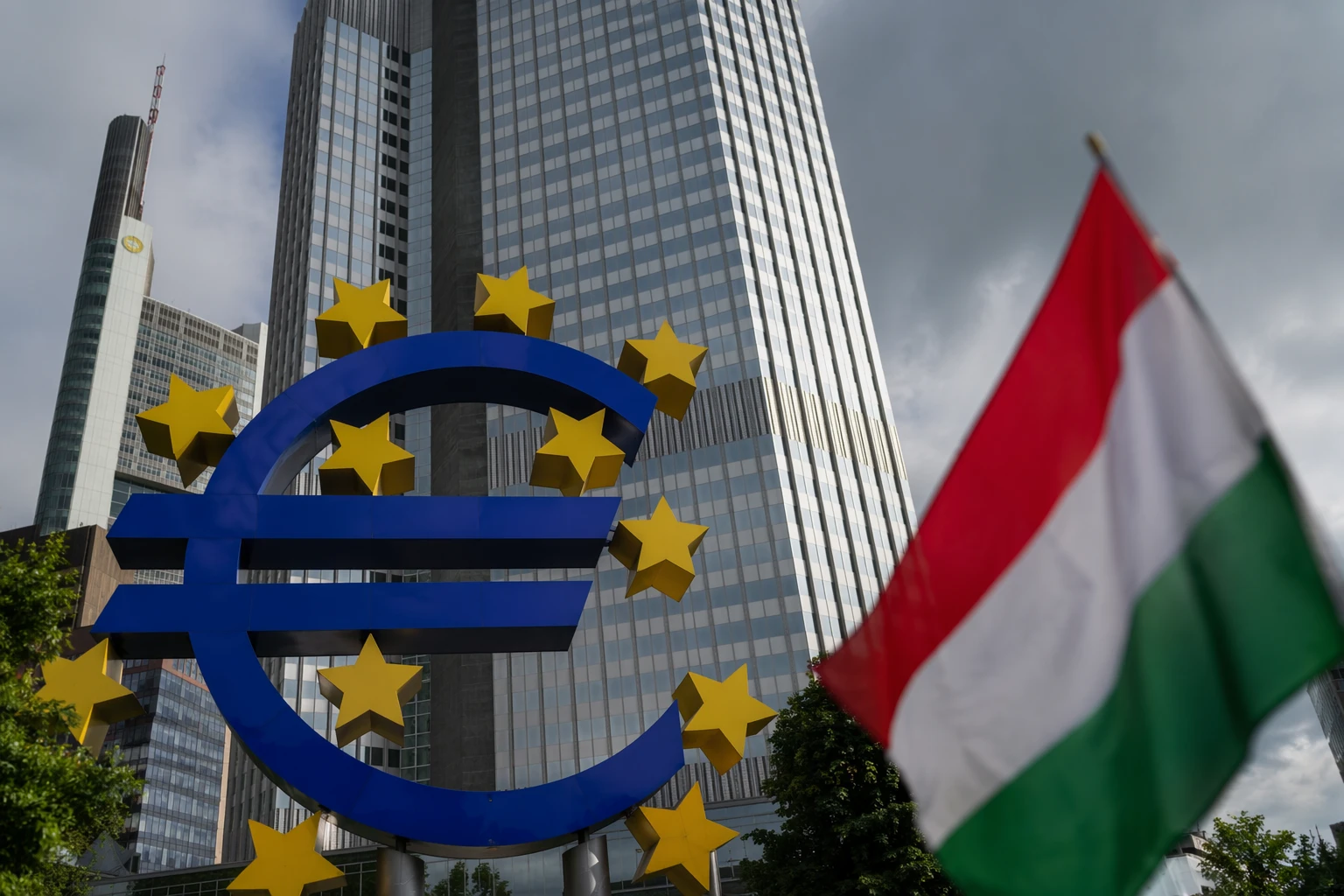
Magyar’s comments came the same day he met Eurogroup President Kyriakos Pierrakakis in Budapest. Pierrakakis did not offer a timetable, but he signaled that the Eurogroup would back Hungary’s bid to join the currency bloc. That support matters because euro adoption is not only a domestic accounting exercise; it also depends on confidence from Brussels, the ECB and markets that Budapest can keep inflation down and deficits under control.
Finance Minister Andras Karman sharpened the message earlier in the week, saying on June 23 that Hungary aimed to meet Maastricht convergence criteria by 2030 and had already held bilateral talks with Pierrakakis during ECOFIN in Cyprus in May. The government is also trying to unfreeze about €17 billion in European Union funds, including €10 billion that must be accessed before August or will expire, underscoring how tightly the euro ambition is tied to Hungary’s broader relationship with Brussels.
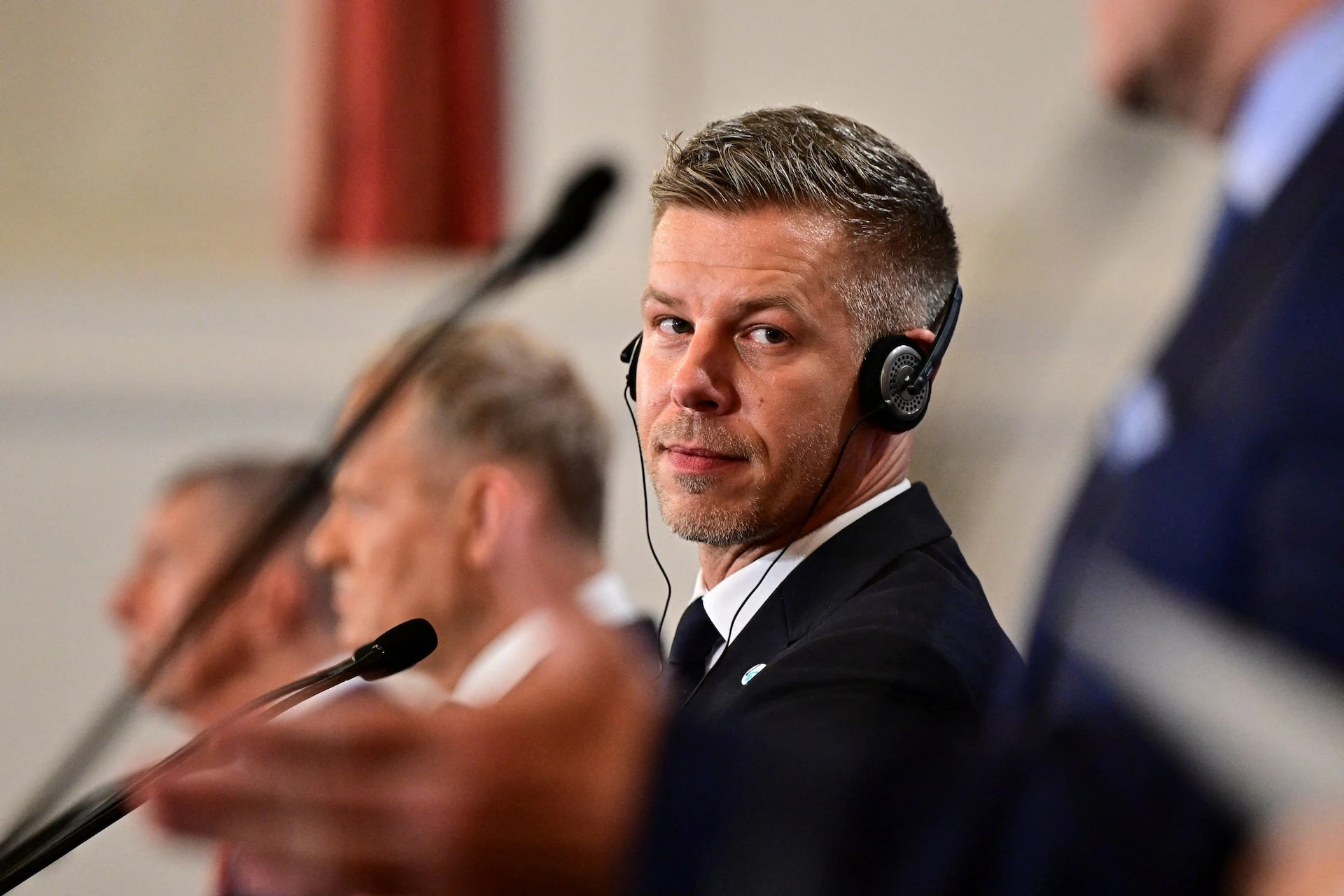
The political stakes are just as high at home. Magyar has accused Orban’s government of misleading the public about the state of the finances, after pre-election spending pushed the budget deficit well above plan and left the country’s credit rating close to losing investment-grade status. Rating agencies have said euro adoption would be credit positive, and a 2025 survey cited in the reporting found roughly 75% of Hungarians support joining the euro. Whether 2030 becomes a real accession path or a political marker will depend on whether Budapest can turn that support into lower inflation, smaller deficits and a visibly stronger fiscal framework.
Sources
- [1]usnews.com
- [2]ecb.europa.eu
- [3]economy-finance.ec.europa.eu
- [4]dw.com
- [5]xpatloop.com
- [6]aol.com