World
Hungary investigates seizure of Ukrainian bank cash convoy, Reuters reports

Hungary has opened an internal investigation into how its tax authority, counter-terrorism force and other agencies handled a Ukrainian bank convoy carrying cash and gold worth about $82 million. The case has become a direct test of whether the state used ordinary financial-crimes powers or bent them for political retaliation under Viktor Orban’s government.
The seizure began on March 5, when seven Ukrainians in two armored vehicles were detained on suspicion of money laundering. The shipment contained $40 million, 35 million euros and 9 kilograms of gold, and the bank employees were held for more than 24 hours before being expelled from Hungary. Oschadbank said the transfer was routine and part of weekly movements it had carried out since Russia’s invasion of Ukraine.
Hungary returned the two armored vehicles on March 12, but kept the cash and gold, saying it would hold the assets for up to 60 days while investigating possible money laundering and national-security implications. Hungary’s parliament had passed a law on March 10 allowing the tax authority to retain the funds and valuables during the probe. Oschadbank later said the vehicles came back with some damage and that it would use all legal means to recover its property.
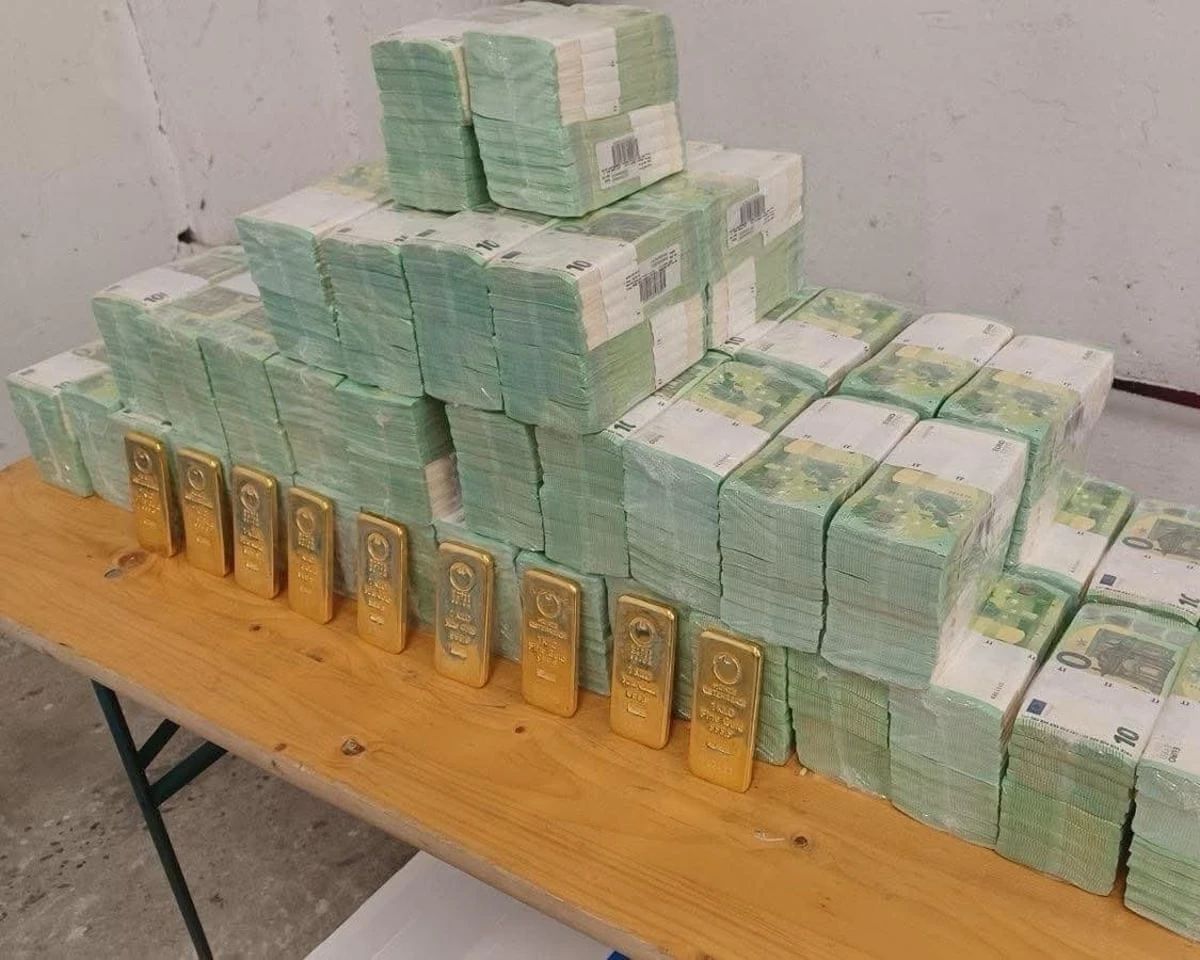
The episode is now being revisited under Peter Magyar, who won the April election and said on social media that the prosecutor general must address the matter without delay. Magyar also ordered immediate internal investigations into the National Tax and Customs Administration, the Counter Terrorism Centre and other relevant agencies, and said Orban had personally exercised direct control over law-enforcement and intelligence bodies.
The legal and political questions reach beyond one convoy. Hungary’s crackdown came amid a wider feud with Kyiv over Russian oil through the Druzhba pipeline, and Budapest had already deepened tensions by vetoing new European Union sanctions on Moscow and a loan for Ukraine. Ukraine’s foreign minister, Andrii Sybiha, called Hungary’s actions an “unprecedented act of state banditism and racketeering.”

The sharpest unresolved issue is authorization. Separate reporting in Hungary said Orban personally ordered the March 5 interception, and that the move was framed as retaliation over the suspension of Russian oil transit through Druzhba. Hungary’s Constitution Protection Office reportedly confirmed the order came from the State Secretariat attached to the Prime Minister’s Office. Oschadbank said the full shipment was returned on May 6 and that the packaging’s integrity and authenticity had been verified, but the political damage lingers. The new probe will show whether Budapest is pursuing accountability or simply cleaning up a politically charged operation after the fact.
Sources
- [1]usnews.com
- [2]reuters.com
- [3]abcnews.com
- [4]newsukraine.rbc.ua
- [5]telex.hu
- [6]oschadbank.ua