Politics
Hungary limits prime ministers to eight years, blocks Orbán comeback
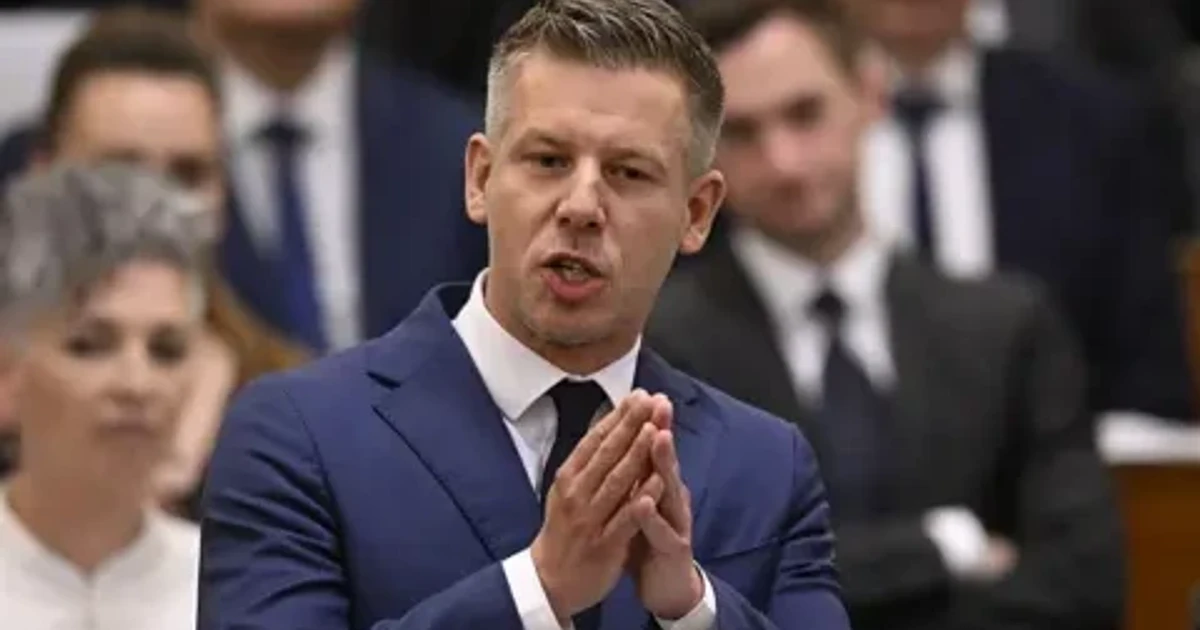
Hungary’s parliament moved to redraw the rules of power, setting an eight-year cap on prime ministers and making past service since 2 May 1990 count toward the limit, a change aimed squarely at closing off Viktor Orbán’s return. Lawmakers approved the 16th amendment to the Fundamental Law by 135 votes to 50, with six abstentions.
The retroactive wording matters because Orbán served a total of 20 years as prime minister, so the cap would bar a comeback even if his camp recovers strength later. The amendment also gives constitutional backing to dismantle the Sovereignty Protection Office and dissolve KEKVA public-interest asset management foundations, two institutions tied to Orbán’s rule. In practice, that reaches beyond one man: it would strip legal cover from parts of the state architecture built to preserve political influence and public assets.
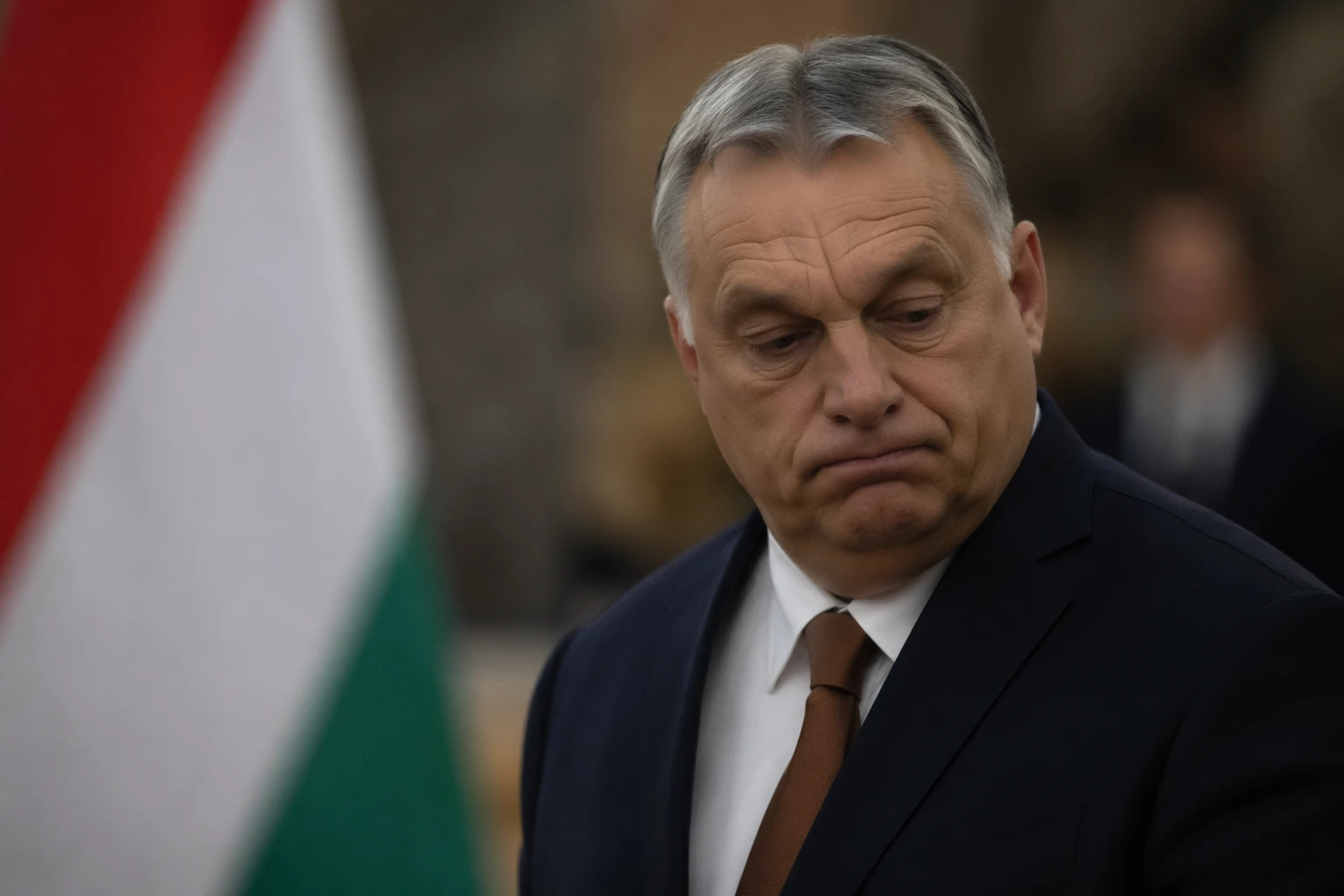
The proposal came on 20 May from two Tisza Party MPs, Márton Melléthei-Barna and István Hantosi, not from the government itself. Critics said it was pushed forward without public or professional consultation. Fidesz and the Christian Democratic People’s Party opposed it, while Mi Hazánk abstained. Fidesz has branded the change a “Lex Orbán,” arguing that it was written specifically to block Orbán’s comeback.
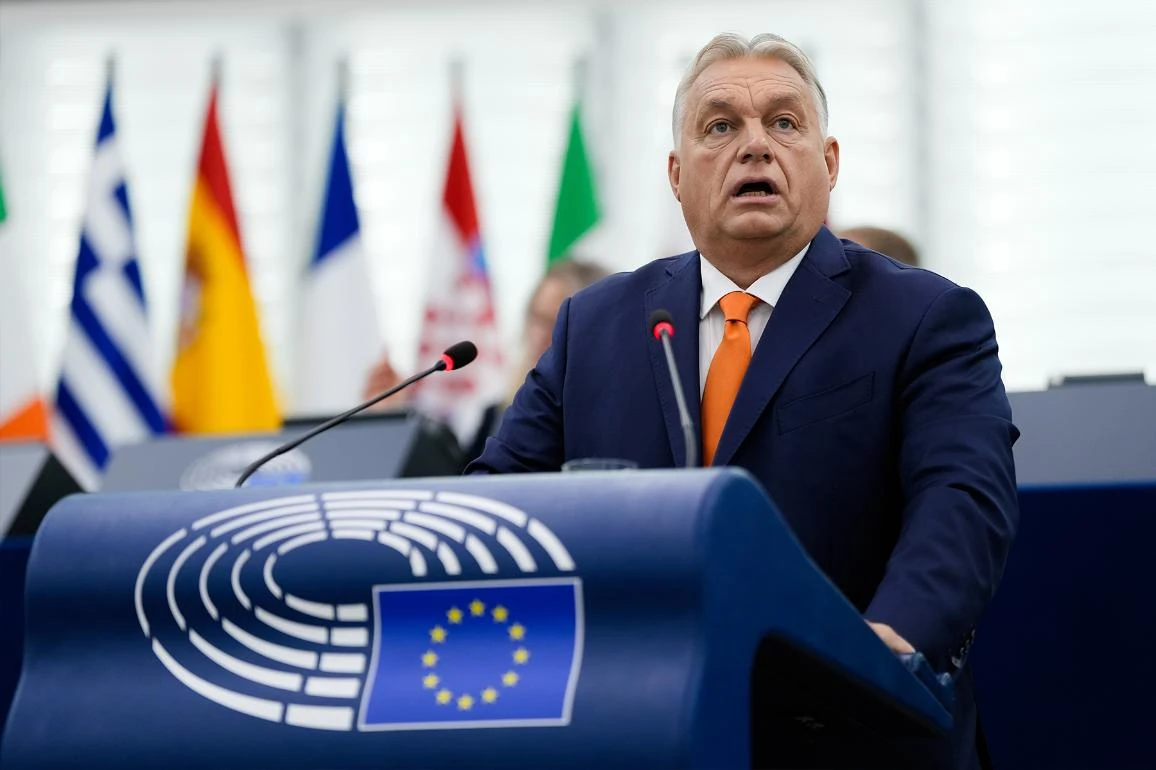
Péter Magyar has cast the reform as part of a wider promise to restore the rule of law and rebuild a democratic state after his landslide victory in April 2026 ended Orbán’s 16 years in power and gave Tisza a two-thirds majority in parliament. That majority has now been used to push one of the new government’s first major constitutional changes, a sign that Magyar intends not only to replace Orbán’s party but to rewrite the machinery that sustained it.
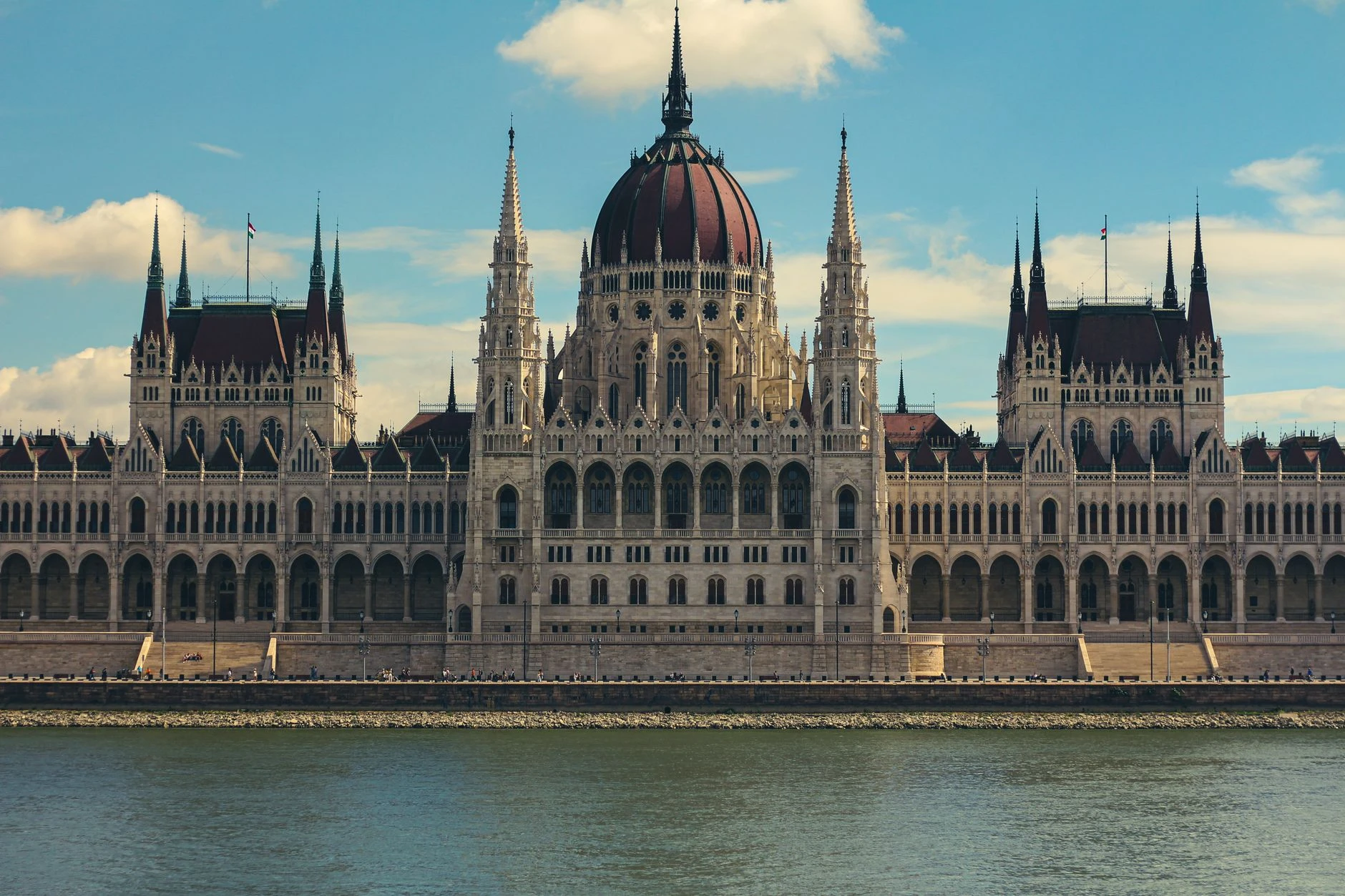
The amendment now goes to President Tamás Sulyok, who can sign it or return it to parliament for another vote. Constitutional lawyers have already questioned whether a rule written today can fully apply to office-holders whose careers began before it existed. That legal fight will determine whether Hungary is dismantling Orbán’s system, or setting a new precedent for using constitutional change to sideline a rival.
Sources
- [1]bbc.com
- [2]telex.hu
- [3]politico.eu
- [4]aljazeera.com
- [5]time.com
- [6]reuters.com