World
Hungary’s Incoming Leader Promises Overhaul of State Media
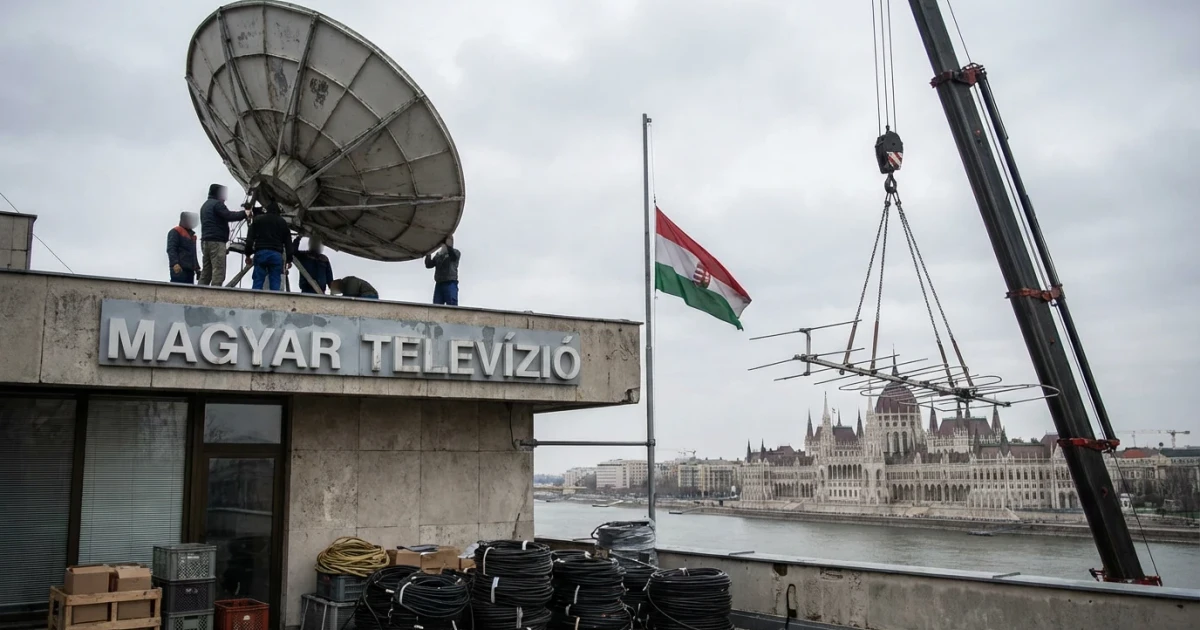
Hungary’s prime minister-elect has made a bold commitment to suspend the country’s state media, describing it as a “propaganda machine” that has long served the interests of the ruling government. The announcement, reported by The Guardian, marks a significant moment in Hungary’s political and media landscape, raising questions about the future of press freedom and public broadcasting in the country.
State Media Under Scrutiny
Hungary’s state-owned media outlets have faced widespread criticism from both domestic and international observers in recent years. According to Reporters Without Borders, Hungary has seen a steady decline in media freedom, with state broadcasters often accused of providing uncritical coverage of government policies and limiting dissenting voices. Independent watchdogs and the European Union have repeatedly raised concerns about government influence over public media and the lack of pluralism in news coverage.
- Data from Statista shows that state media in Hungary reaches a substantial portion of the population, with public television and radio holding significant audience shares.
- European Parliament briefings have detailed concerns about editorial independence and the centralization of media ownership under pro-government entities.
Prime Minister-Elect’s Pledge
The prime minister-elect’s vow to suspend state media signals a potential reversal of years of government control. In his statement, he characterized the current media apparatus as a “propaganda machine,” echoing criticisms made by international observers and Hungarian opposition figures. While specific details about the suspension plan remain limited, the move is expected to include a comprehensive review of state media operations and their adherence to journalistic standards.
Implications for Media Pluralism and Democracy
Analysts suggest that the suspension of state media could have far-reaching implications for media pluralism in Hungary. Proponents argue that reducing state influence could open space for independent journalism and a wider range of perspectives in public discourse. Critics, however, caution that abrupt changes may disrupt access to essential information, especially in regions where state broadcasters are the primary news source.
Official records from the Hungarian Media Council show that the government has historically used regulatory powers to influence media content and licensing. The proposed overhaul could prompt legal challenges and require significant changes to existing media regulations.
International Reaction and Next Steps
The European Union and press freedom organizations are likely to monitor developments closely. Hungary’s media environment has been a focal point in discussions about the country’s commitment to democratic norms. A transparent suspension and overhaul process—accompanied by support for independent journalism—could improve Hungary’s standing in international press freedom rankings.
As Hungary’s new government prepares to take office, the coming months will be critical in determining the future structure and role of public media. Observers will be watching for concrete policy proposals, legal reforms, and the establishment of safeguards to ensure that state media serves the public interest rather than partisan goals.
Ultimately, the prime minister-elect’s pledge represents both a challenge and an opportunity: a chance to restore trust in Hungary’s media and reinforce the foundations of a pluralistic democracy, while navigating the practical complexities of reforming an entrenched state media system.