World
Hungary’s Lake Velence dries again as climate change deepens drought
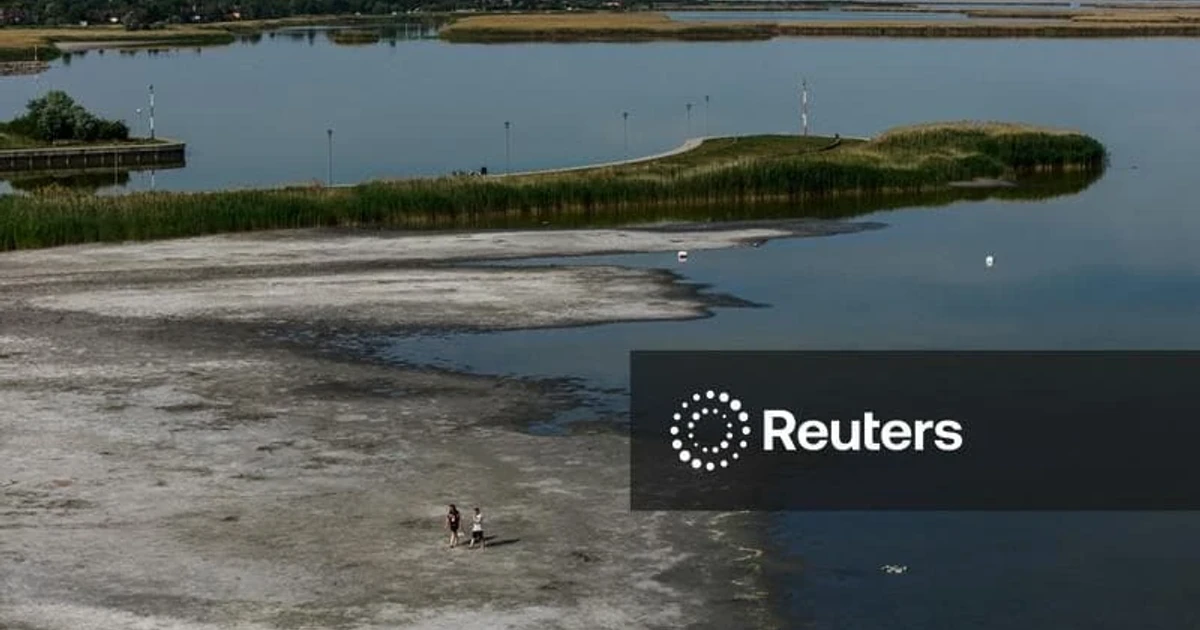
Children played on sandbanks that had been hidden by water, while rental boats sat stranded at a jetty far from the shoreline. At Lake Velence, about 40 kilometers west of Budapest, the exposed basin was a stark sign that Hungary’s third-largest lake was slipping back toward record lows as heat and drought deepen.
The lake measured 56 centimeters at Agard on Wednesday, according to the National Directorate General for Water Management, putting it just 3 centimeters above the historic low of 53 centimeters recorded in 2022. Water level readings around 80 centimeters at the start of 2026 have already given way to a sharper decline, and experts say the lake could keep falling by about half a centimeter a day if substantial rain does not arrive. By the end of summer, the level could sink to 30 centimeters.
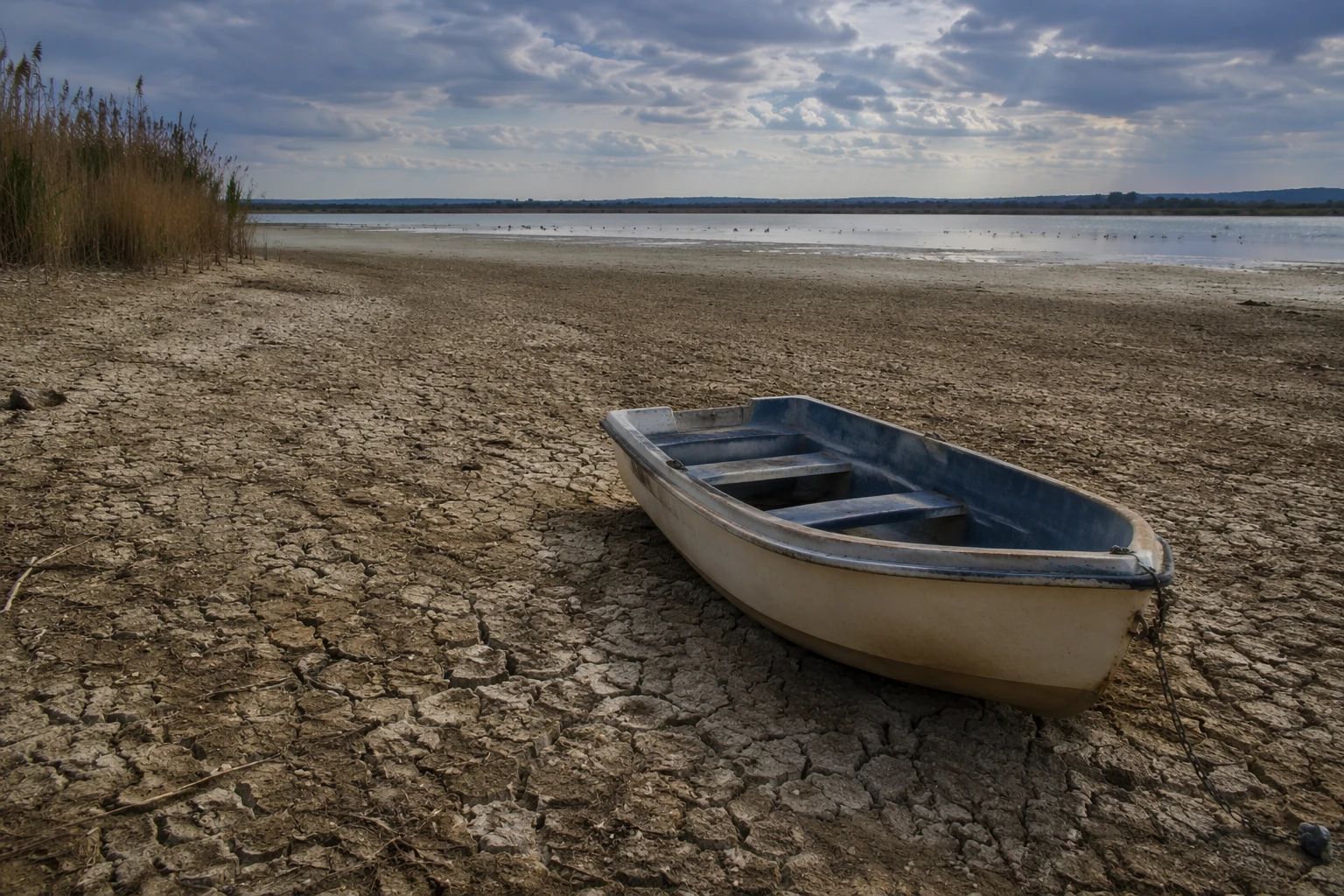
That would not only threaten swimming and sailing. Lake Velence is a summer recreation hub in Fejér County, and its shallow profile makes it especially vulnerable to evaporation during hot spells. As the water retreats, the damage spreads through the local economy, from boat rentals and bathing access to the businesses that depend on visitors drawn from Budapest and beyond. Some activity has already shifted toward Lake Balaton, underscoring how quickly a shrinking lake can weaken a tourism base built around access to water.
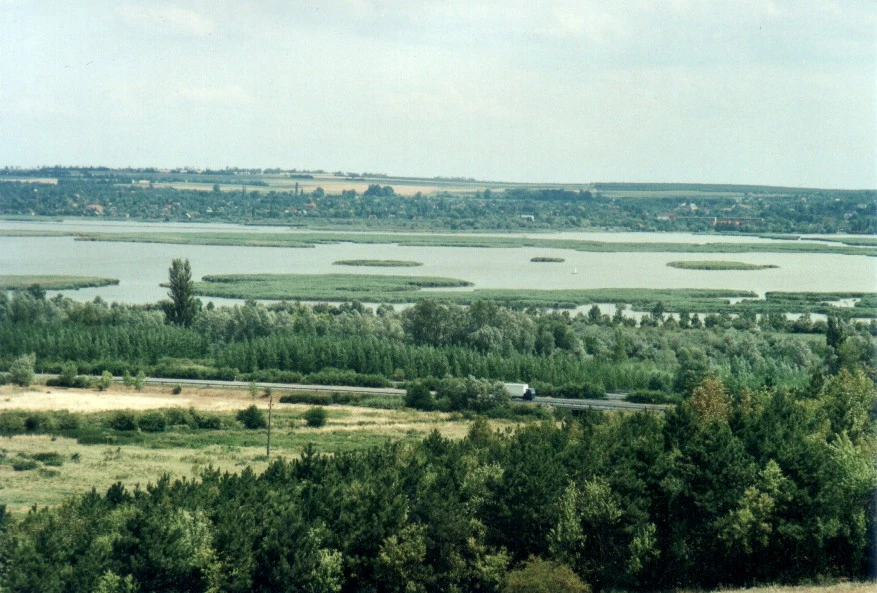
The crisis is also a test of governance. Tibor Horanyi, a local expert, has said the problem is not only climate change but decades of flawed water management, including the draining of wetlands for agriculture and broader land-use changes. A Hungarian State Audit Office assessment said the lake has not reached the minimum regulatory level of 130 centimeters in recent years, except for a short transitional period. Local and academic sources say Lake Velence is far shallower than Lake Balaton and highly sensitive to extreme weather, making management failures more costly when drought arrives.
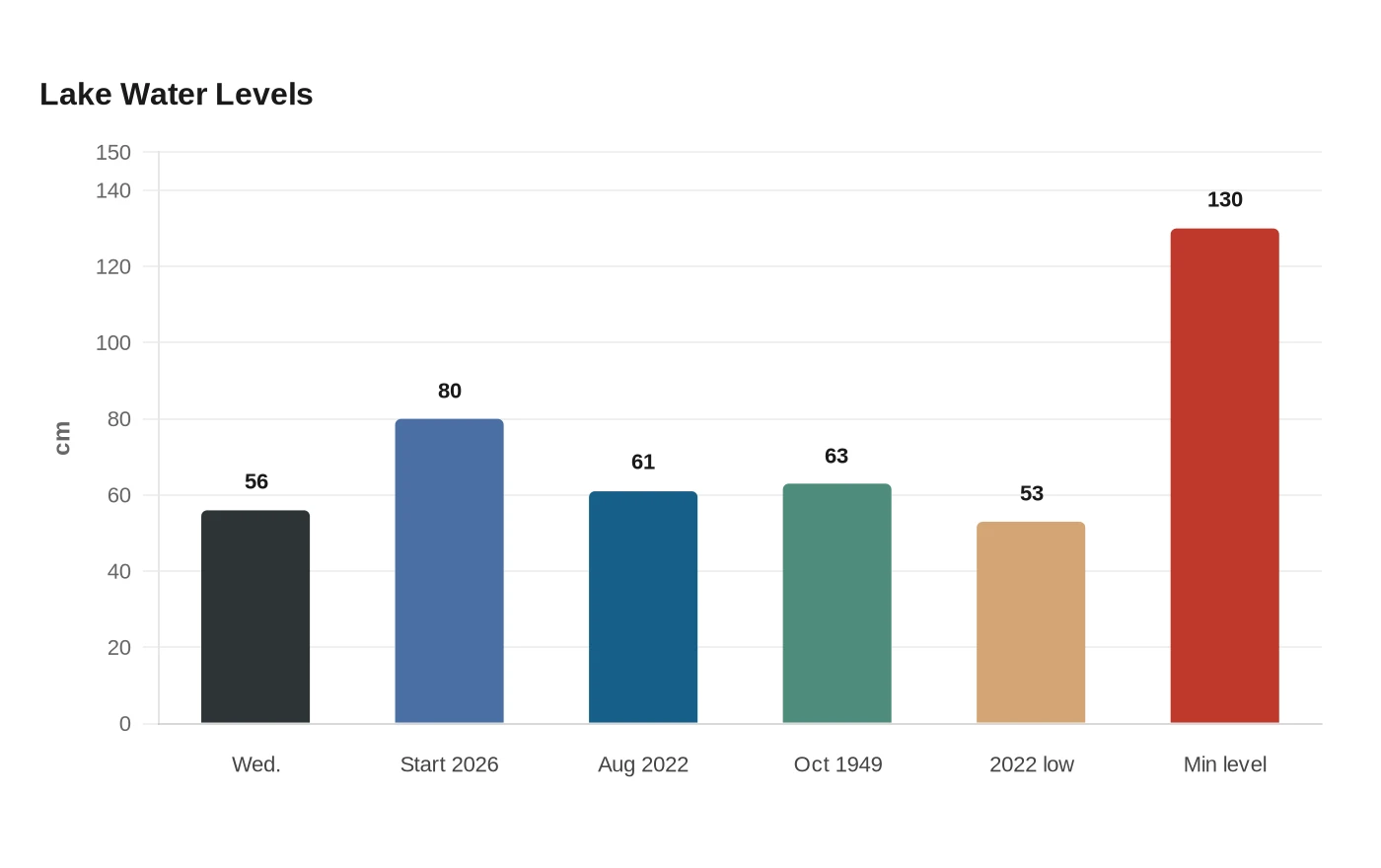
The lake has been close to collapse before. In August 2022, it fell to 61 centimeters, the lowest figure recorded since measurements began in 1939, and the previous low before that had stood at 63 centimeters in October 1949. Local reporting says the lake is now short about 20 million cubic meters of water, with roughly two-thirds of its average volume missing. Officials have promised measures to improve water quality and rehabilitate the environment, while researchers and mayors point to water-retention and other nature-based fixes, but the lake’s steady decline shows how slowly adaptation has moved. Lake Velence is becoming a warning for other tourism-dependent regions: without stronger water policy, climate stress will keep turning treasured destinations into dry basins.
Sources
- [1]yahoo.com
- [2]uk.news.yahoo.com
- [3]aol.com
- [4]xpatloop.com
- [5]bbj.hu
- [6]asz.hu
- [7]ktf.elte.hu
- [8]akjournals.com
- [9]reuters.com