Politics
Hungary's Magyar seeks chess champion Judit Polgar for president

Péter Magyar said he would ask chess grandmaster Judit Polgar to become Hungary’s president, turning to one of the country’s most recognizable nonpolitical figures for a post now tied to his effort to remake the state. The move came as Magyar sought to replace President Tamás Sulyok and press ahead with a wider drive to dismantle the power structures associated with Viktor Orbán.
Hungary’s presidency carries real visibility but limited power. The head of state has a weak, constitutionally constrained role, yet the president can participate and speak in parliament, initiate laws and national referendums, and send legislation to the Constitutional Court for review, a tool that can slow or obstruct new laws. That makes the office more useful as a symbol of legitimacy than as a lever of day-to-day government.
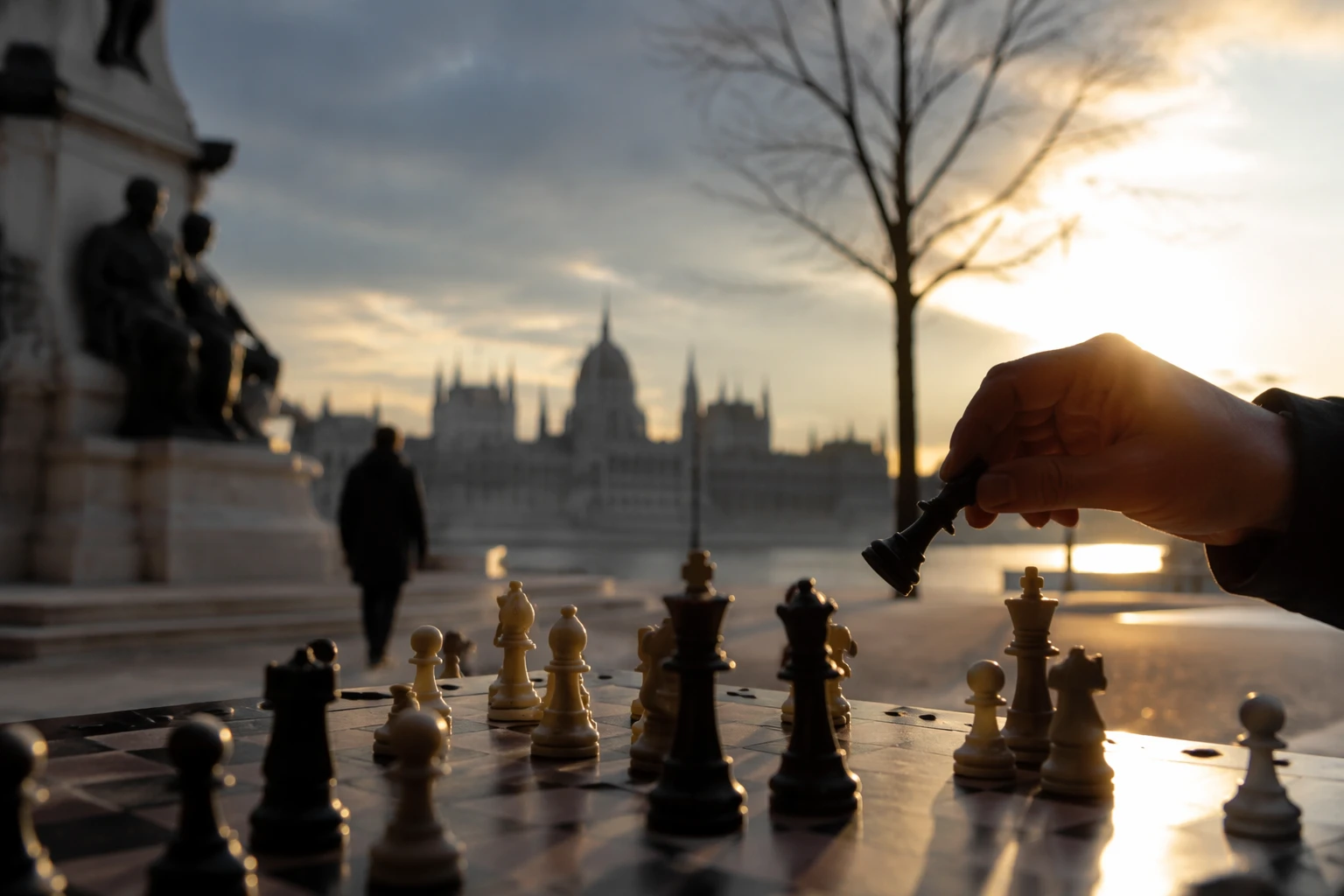
Polgar fits that symbolism closely. She is regarded as the strongest female chess player in history and the only woman to reach the world top 10, and she won the grandmaster title at 15 years and 4 months old, breaking Bobby Fischer’s record. Born in Budapest, Polgar has built a reputation that reaches far beyond chess, combining elite success with an image of discipline, calm and persistence.
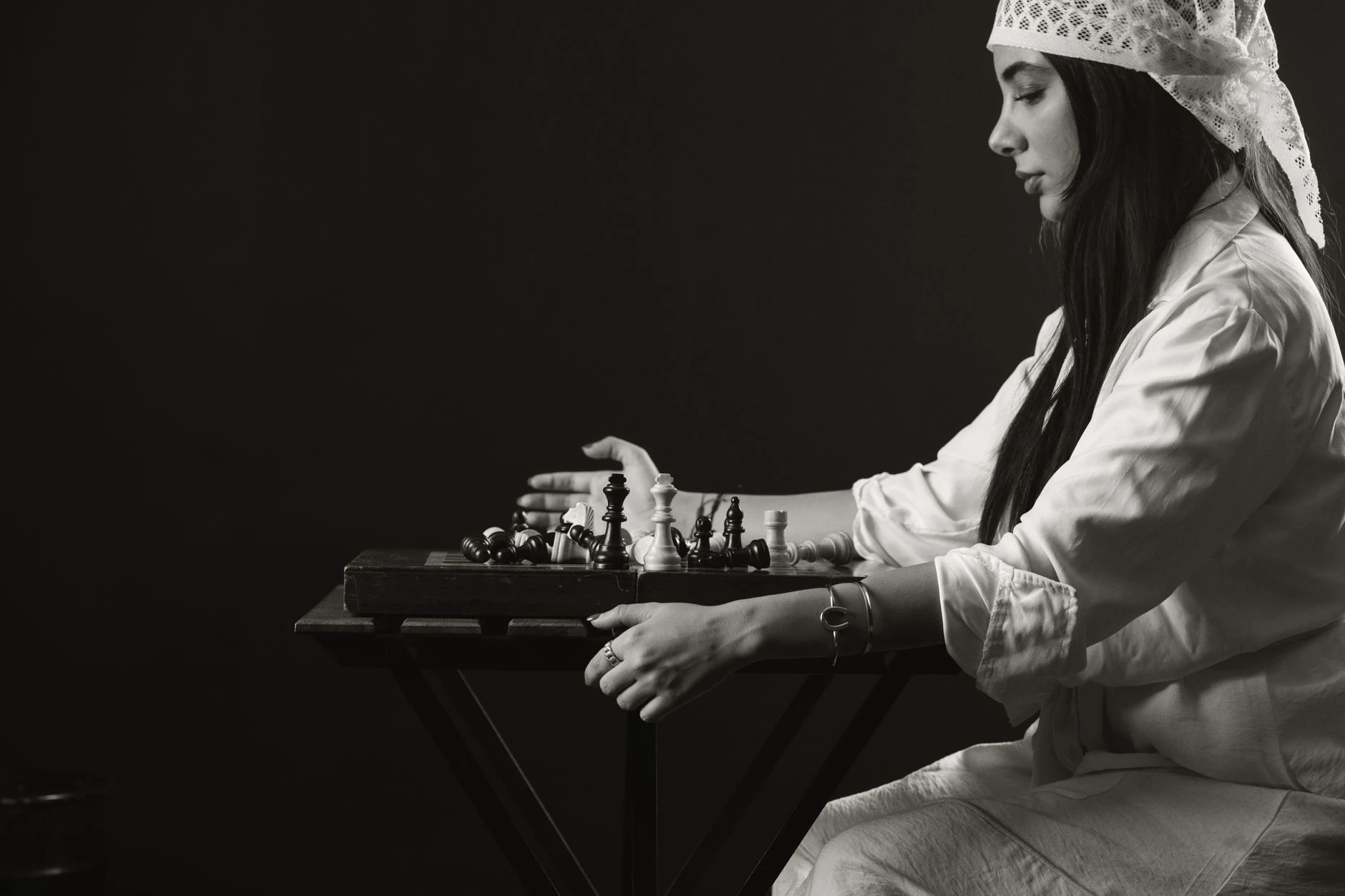
Magyar framed the choice in explicitly civic terms, saying Hungary “needs unity, peace and a president whom every Hungarian can be proud of.” That message suggested he wanted a president who could stand above party combat and lend credibility to a political reset, rather than another figure shaped by the old patronage system.
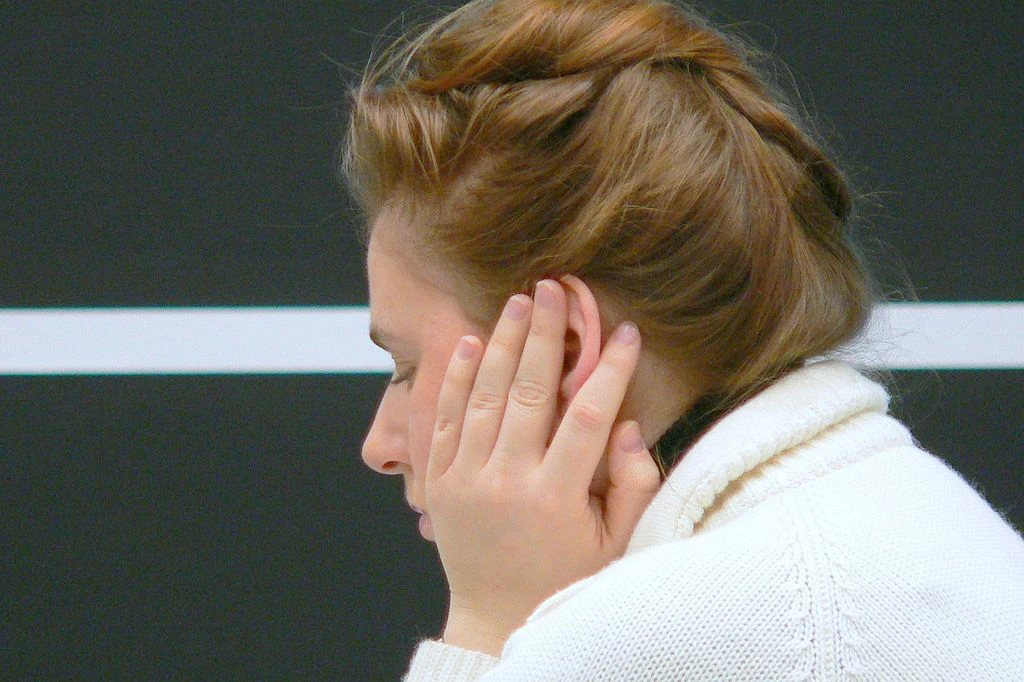
The timing also mattered. Hungary’s parliament had already backed a constitutional amendment aimed at removing Sulyok, who was appointed under Orbán, and Tisza lawmakers were said to have unanimously supported Polgar’s candidacy ahead of a final party decision. In that setting, Magyar’s approach looked like both reform branding and trust repair, using a globally known Hungarian to signal that the fight over the presidency was about more than parliamentary arithmetic.
Sources
- [1]reuters.com