Business
Hungary's Paks nuclear plant may shut down as Danube water falls
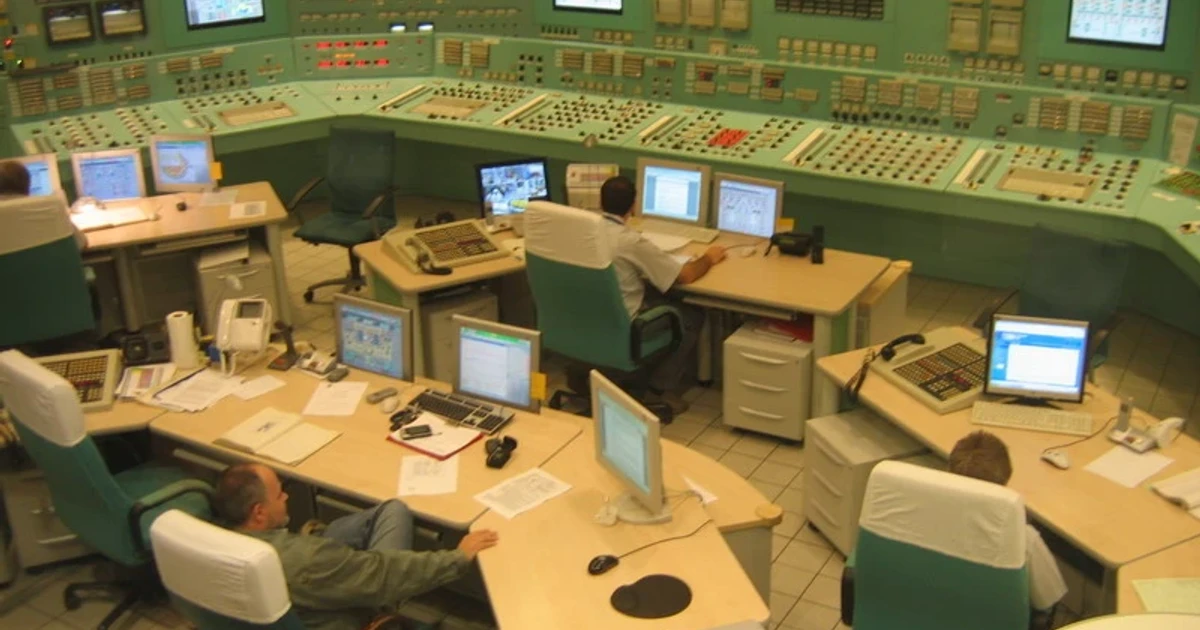
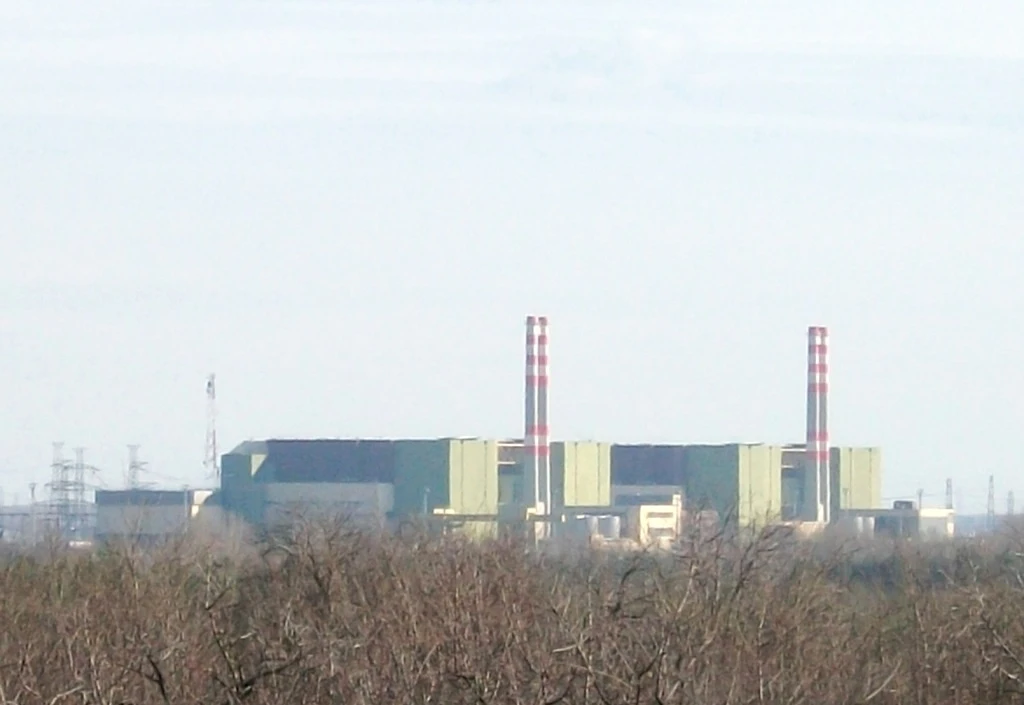
Hungary's Paks nuclear plant could be powered down this weekend as low Danube water levels squeeze the cooling system at the country's only nuclear station. Because Paks supplies nearly half of Hungary's electricity, even a temporary outage would matter for household bills, industrial demand and cross-border imports.
Prime Minister Peter Magyar said the plant could shut down on Thursday or Friday and might stay offline for weeks if the river remained too low. The site, about 50 miles south of Budapest, had already been operating at reduced capacity because the Danube's low level was affecting cooling. After 44 years of operation, a full shutdown would be the first in the plant's history.
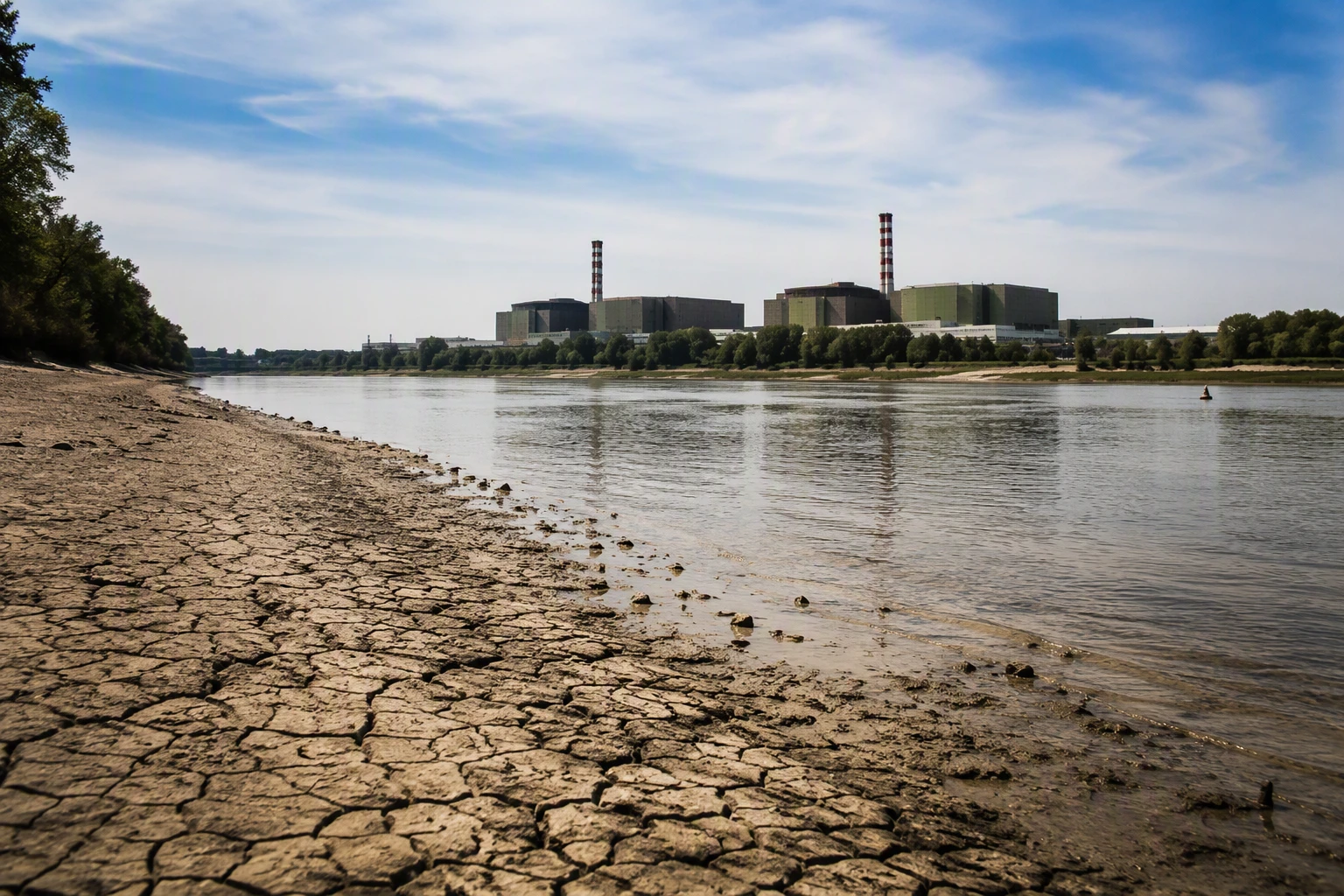
The mechanics are straightforward. Paks uses river water from the Danube to cool its reactors, and record-low levels reduce the plant's ability to run at full output. That strips Hungary of a large block of steady baseload electricity at a moment when the grid would need to lean more heavily on imported power and other domestic generation. For factories that depend on predictable supply, the immediate risk is tighter planning and potentially higher electricity costs if the loss lasts beyond a brief interruption.
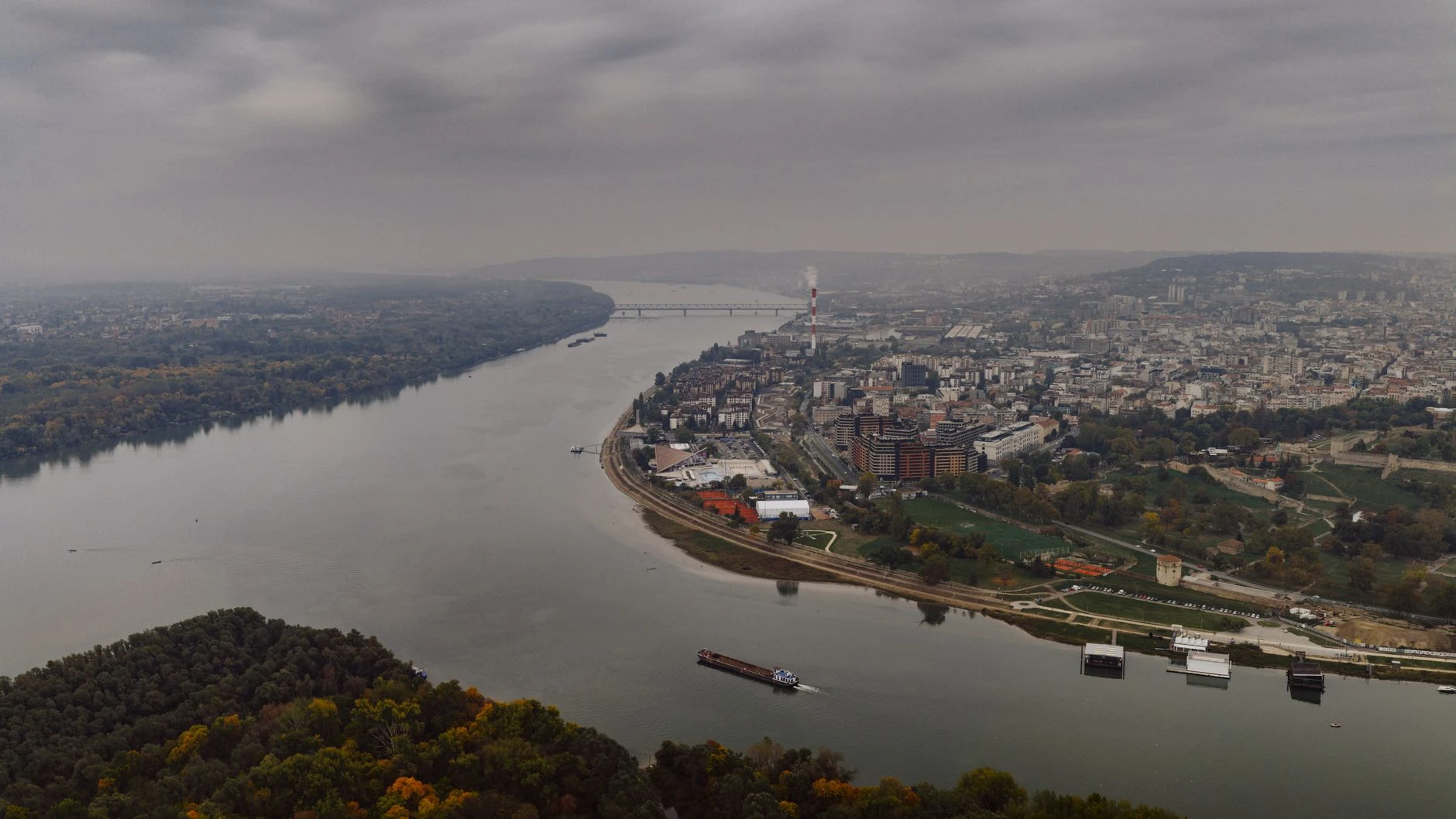
The strain is not confined to Hungary. Low Danube levels forced Romania to shut down both reactors at its Cernavodă nuclear plant on July 29, showing how the same drought can hit multiple nuclear systems along the river corridor. Europe has spent years trying to make its energy system less dependent on imported fossil fuels, but major baseload plants are still vulnerable when weather extremes hit cooling water supplies.
Peter Magyar held a press conference at the Paks plant with László Nagy, the deputy CEO of Paks Power Plant, as officials weighed how long any reduction might last. The immediate question is whether Hungary can keep the grid balanced without a sharp squeeze on supply, while the broader issue is how much of a national electricity system can safely rest on one river-fed reactor fleet.
Sources
- [1]reuters.com
- [2]x.com
- [3]bbc.com
- [4]reutersconnect.com
- [5]dw.com
- [6]straitstimes.com
- [7]aljazeera.com
- [8]amp.scmp.com
- [9]ctvnews.ca