Politics
Hungary’s Tisza party moves to overhaul state media system
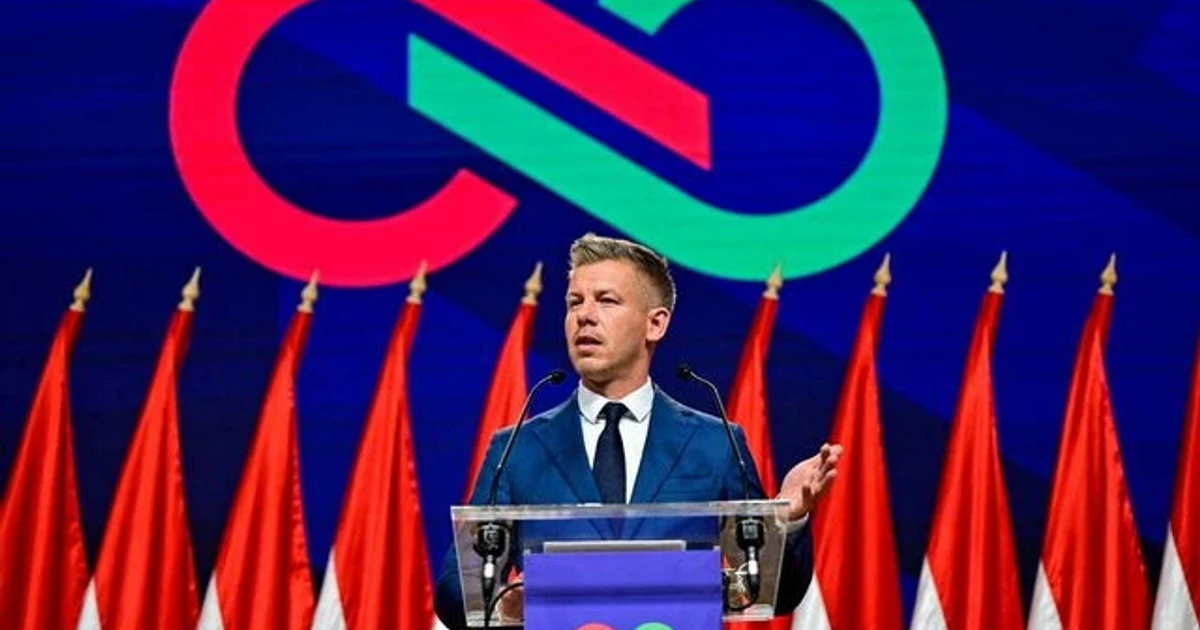
Hungary’s Tisza party moved to break up the state media machine with legislation that would split the MTVA holding company, restore MTI as an independent news agency, and replace the old chain of command with new oversight bodies. The bill, introduced in Budapest on June 12, became one of the clearest early signs of whether Peter Magyar’s government intends to unwind the media system built under Viktor Orban or merely recast it in new hands.
Public media reform was one of Magyar’s central promises when Tisza won an April 2026 election landslide and secured the constitutional majority needed to roll back earlier changes. The proposal would end the terms of current public-media leaders and put Culture Minister Zoltan Tarr in temporary charge while new leaders are chosen through an open application process. That makes the transition as important as the law itself, because the people who control the handover will shape whether the new structure becomes genuinely pluralistic or stays politically managed.
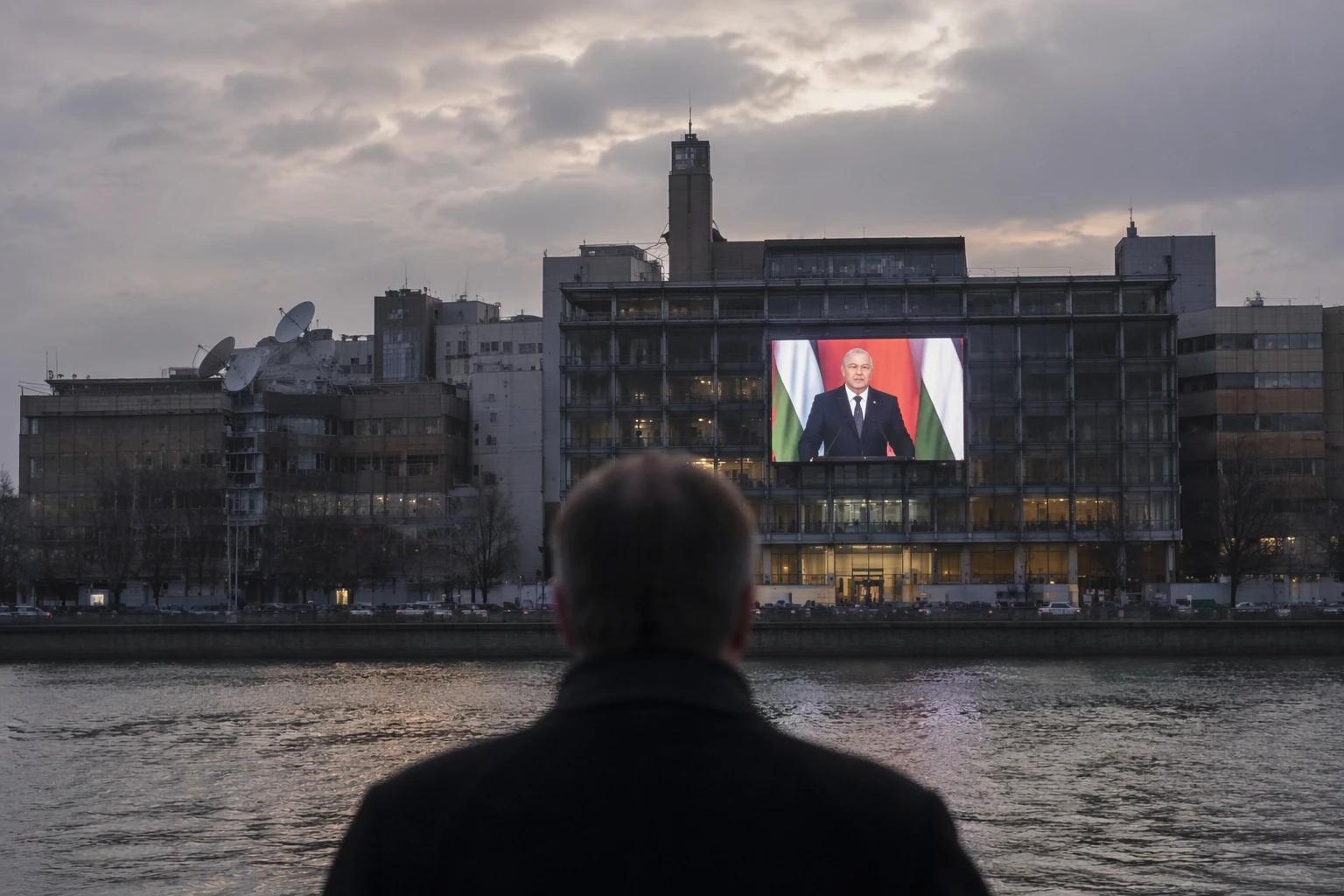
The legislation would split MTVA into separate broadcasting and news functions, a move meant to stop one holding company from controlling both output and editorial direction. It would also re-establish MTI as an independent national news agency. To guard against a repeat of the old model, the bill calls for an Independent Public Media Committee with equal representation from the government, the opposition and independent media-sector representatives. A Public Media Council would monitor public-service principles under a new charter, while the National Media and Infocommunications Authority’s Media Council would be reformed and conflict-of-interest rules tightened.
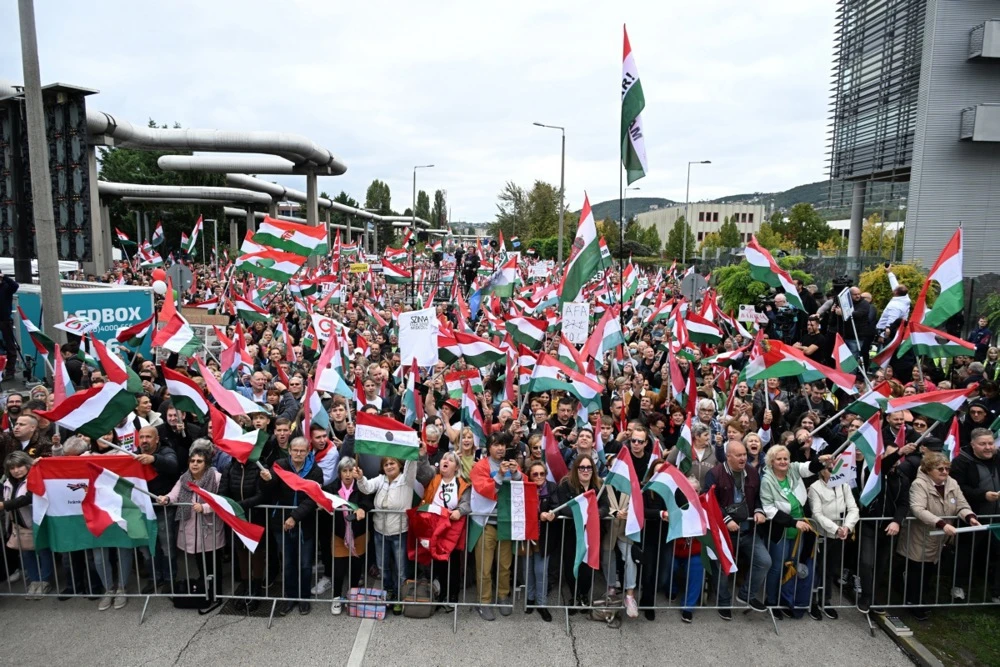
The overhaul comes after years in which Hungary’s media environment was heavily concentrated around Orban’s allies. Reporters Without Borders says the pro-government KESMA foundation controls around 500 national and local outlets and has described Hungary’s media control as unprecedented in an EU member state. The International Press Institute said that, despite legal safeguards on paper, public broadcasters and regulators had become fully captured by the governing party.
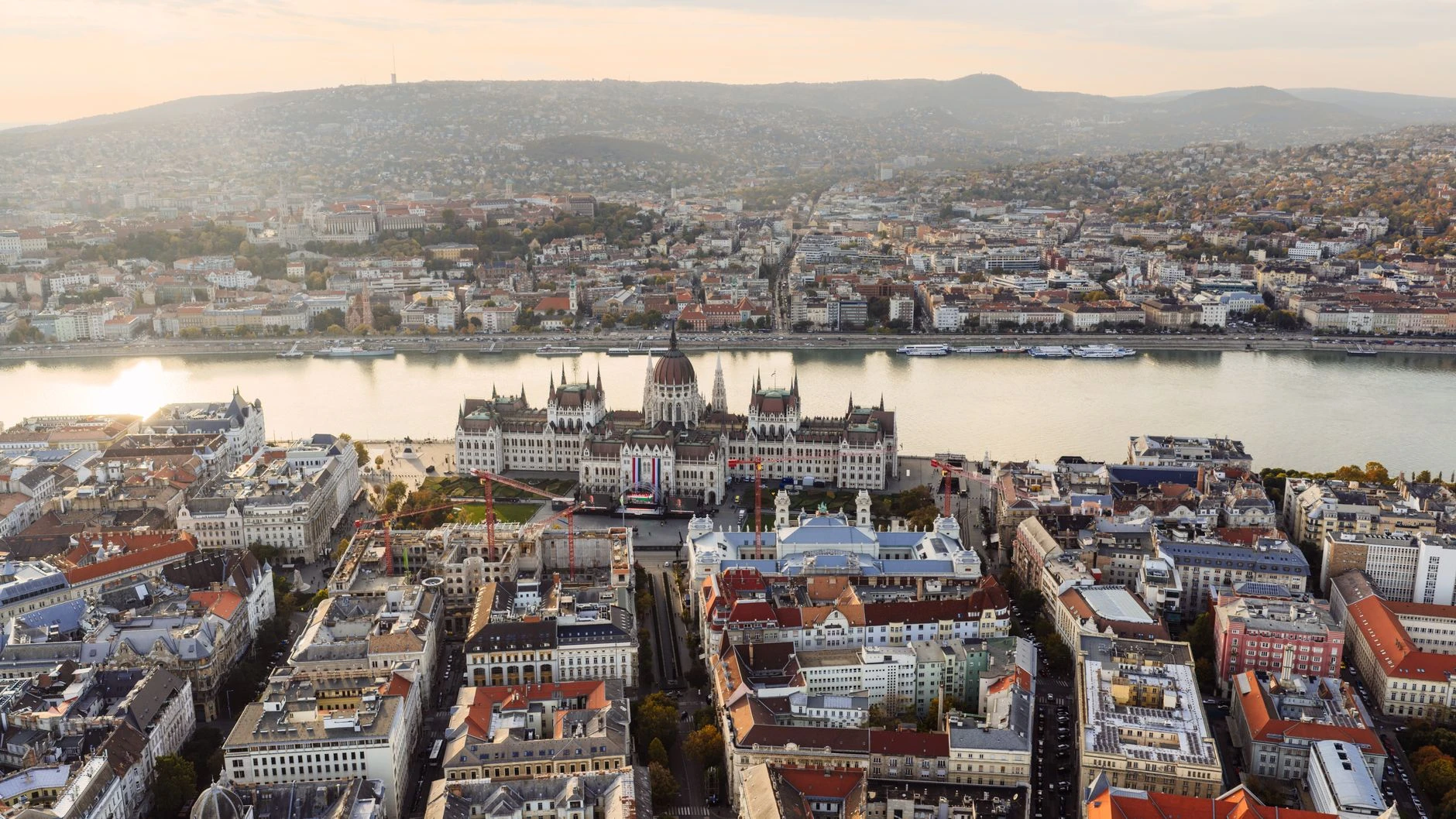
Pressure inside the system has already surfaced. On April 16, more than 90 journalists at MTI demanded the immediate restoration of impartial coverage after Magyar pledged to shake up state media. In June, MTVA chief executive Dániel Papp resigned after weeks of pressure from Magyar, who had also called for the departure of Duna Médiaszolgáltató chief executive Anita Altorjai. For Magyar, the bill is both a symbolic break with Orban’s model and a practical test of whether Hungary can build public media institutions that survive beyond one election cycle.
Sources
- [1]usnews.com
- [2]japannews.yomiuri.co.jp
- [3]rsf.org
- [4]ipi.media
- [5]straitstimes.com
- [6]hungarianconservative.com