Politics
Hunter Biden says father chose him over his legacy in pardon interview
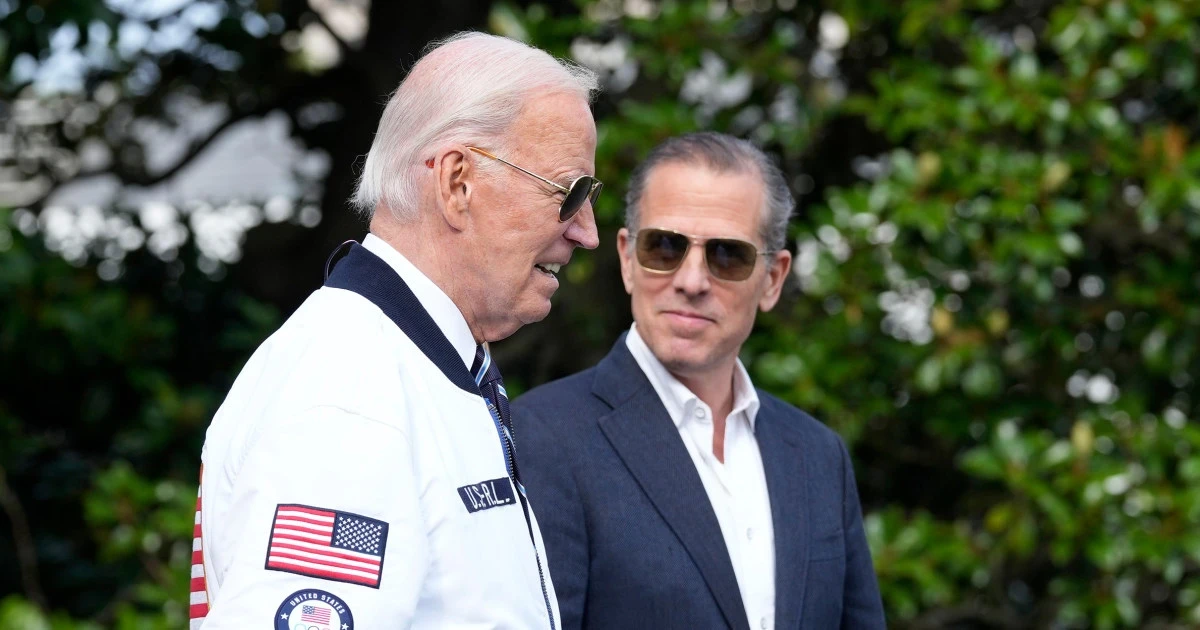
Hunter Biden said his father’s pardon was proof of personal devotion, and in doing so he reopened a broader fight over the limits of presidential clemency when family is involved. In an interview with Gov. Gavin Newsom that aired Friday, Hunter Biden said the move showed “how much you know my dad loves me,” and added that Joe Biden “chose me over his legacy.”
The pardon itself came on December 1, 2024, after Joe Biden had repeatedly said he would not interfere in the federal cases against his son. The White House described the action as a “full and unconditional” pardon, issued just before Hunter Biden was due to be sentenced in two separate criminal cases.
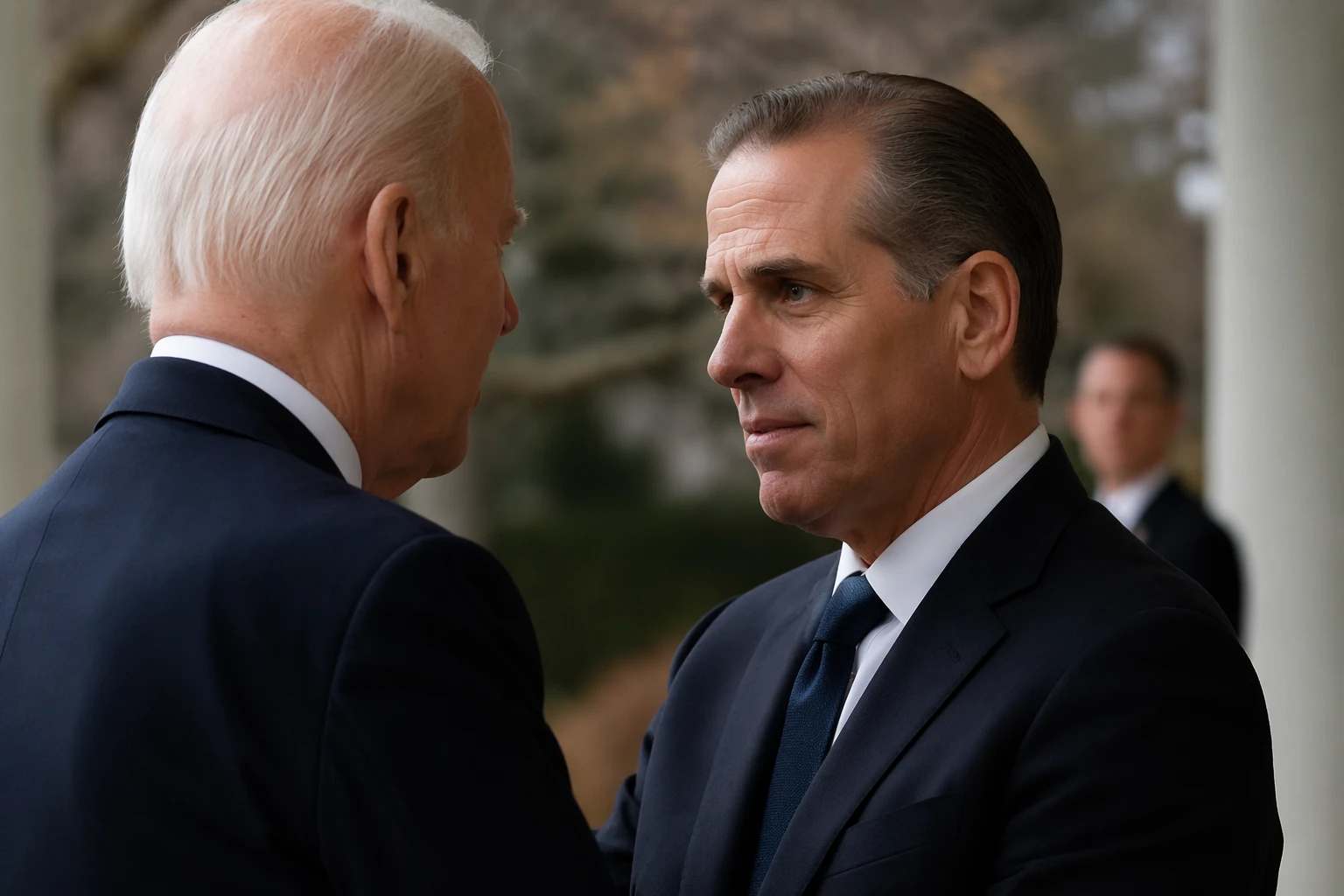
At the time, Hunter Biden had already been convicted in June 2024 on three federal gun felonies in Delaware and had pleaded guilty in a California tax case. He had been scheduled for sentencing on December 12, 2024, in the gun case and December 16, 2024, in the tax case. The pardon wiped away the prospect of punishment in both matters and reset the political debate around the reach of executive mercy.
The scope of the pardon only deepened the backlash. In a January 2025 report, Special Counsel David Weiss wrote that the pardon covered all criminal offenses Hunter Biden committed or may have committed over the prior 11 years. That breadth turned a family decision into an institutional question about how far a president can go before clemency looks less like constitutional authority and more like personal protection.
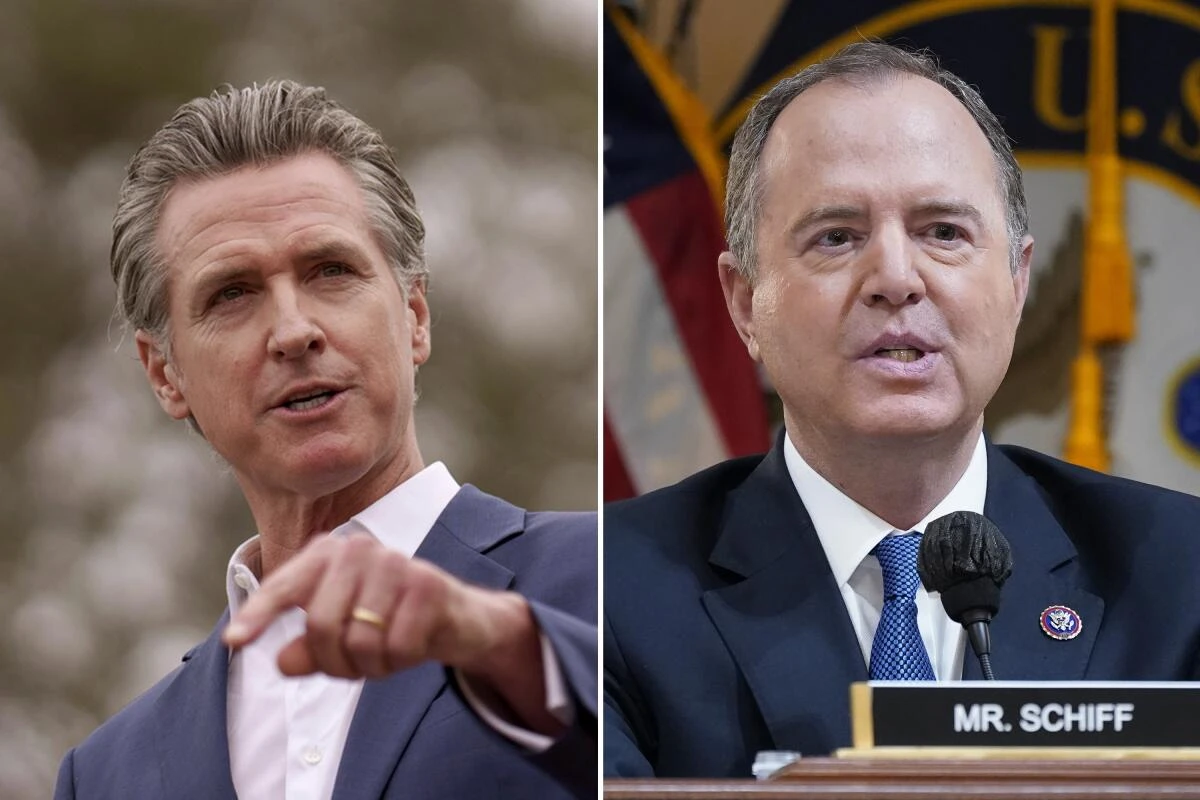
The fallout was bipartisan. Democrats joined Republicans in criticizing Joe Biden, arguing that he had broken a long-standing promise not to pardon his son. For a president who often cast himself as a steward of democratic norms, the decision raised a sharper question than family loyalty alone: whether a final act in office can undercut claims of public trust when the beneficiary is a relative.

The controversy also invited comparison with other controversial uses of clemency, including later pardons by Donald Trump and Joe Biden’s own January 2025 clemency orders. Taken together, those actions have kept the same tension in view: the Constitution gives presidents broad pardon power, but every time that power reaches close to home, the cost is measured not only in politics but in confidence that justice is being applied evenly.
Sources
- [1]nbcnews.com
- [2]newsweek.com
- [3]abcnews.com
- [4]justice.gov
- [5]cnn.com