Technology
Hunter Region Drives Australia’s Climate Tech Transition
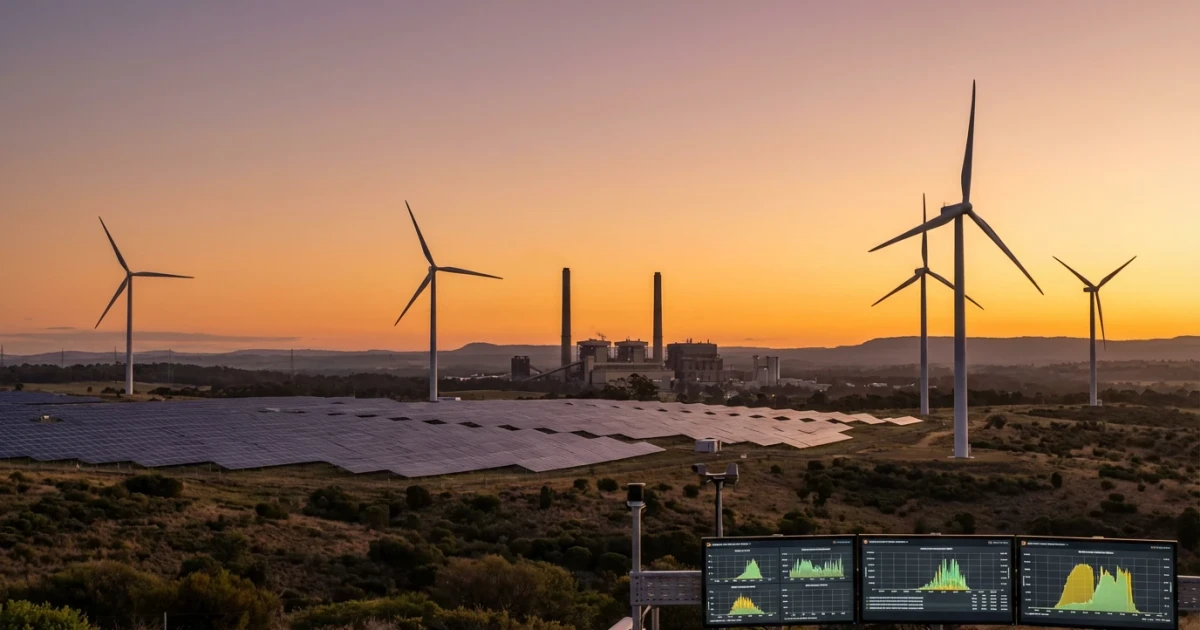
The Hunter region in New South Wales is rapidly emerging as a leading centre for climate technology in Australia, blending its coal heritage with a surge of innovation in renewables, energy efficiency, and emissions reduction solutions.
The Hunter’s Strategic Position in Australia’s Energy Transition
Long known as one of Australia’s most significant coal-producing areas, the Hunter region is now at the forefront of the nation’s shift toward cleaner energy. As reported by Startup Daily, a combination of government policy, local investment, and the region’s skilled workforce has positioned the Hunter as a proving ground for climate technology that could shape the country’s energy future.
- The Hunter has historically contributed a large share of Australia’s coal-fired electricity and exports.
- It is home to major power stations and industrial infrastructure, making it both a challenge and an opportunity for decarbonisation efforts.
Innovation at the Coalface: Startups and New Technologies
Startup Daily highlights that the Hunter is attracting ambitious climate tech startups developing solutions in renewable energy, electrification, and emissions measurement. These ventures are leveraging the region’s engineering talent, robust supply chains, and existing energy sector expertise.
- Emerging companies are focused on commercialising battery storage, grid integration tools, and digital platforms for energy efficiency.
- There is growing interest in carbon capture and storage, supported by the region’s proximity to legacy coal assets and industrial emitters. Technical advances, as detailed in recent patent filings, are being piloted in the Hunter to capture and permanently store CO2 emissions.
- Data-driven platforms, such as those built on open-source tools like OpenEEmeter, are helping local businesses and councils measure and verify energy efficiency outcomes.
Policy and Investment Fuel Momentum
According to Startup Daily, government incentives have been crucial in accelerating the Hunter’s transition. Funding for demonstration projects, retraining programs for workers, and streamlined planning approvals are drawing private capital and entrepreneurs to the region.
- The Renewable Energy Target and local clean energy zones provide market signals and regulatory support for new projects.
- Major infrastructure upgrades, including grid interconnections and hydrogen pilot plants, are underway.
Balancing Legacy and Opportunity
While coal remains a significant part of the Hunter’s economy, the region is navigating the tension between energy security, economic stability, and the imperative to decarbonise. Industry groups, local government, and unions are collaborating with climate tech firms to ensure a just transition for workers as the energy mix evolves.
- Data from the AEMO National Electricity Market shows a steady rise in renewable energy generation in the Hunter, with new solar and wind farms coming online.
- Workforce transition initiatives are retraining power station and mining staff in fields such as battery maintenance, grid operation, and emissions accounting.
Broader Impact and National Lessons
As detailed in recent analysis by the International Energy Agency, the Hunter’s approach could serve as a model for other regions facing similar challenges. By leveraging its industrial base and embracing technology, the Hunter is demonstrating how local action can contribute to national emissions goals and the global effort outlined in the IPCC’s climate mitigation strategies.
As Australia accelerates toward net zero, the Hunter region’s experience highlights the importance of supporting innovation, investing in skills, and maintaining open dialogue between industry, government, and communities.