Technology
Huygens probe made history with first outer solar system landing
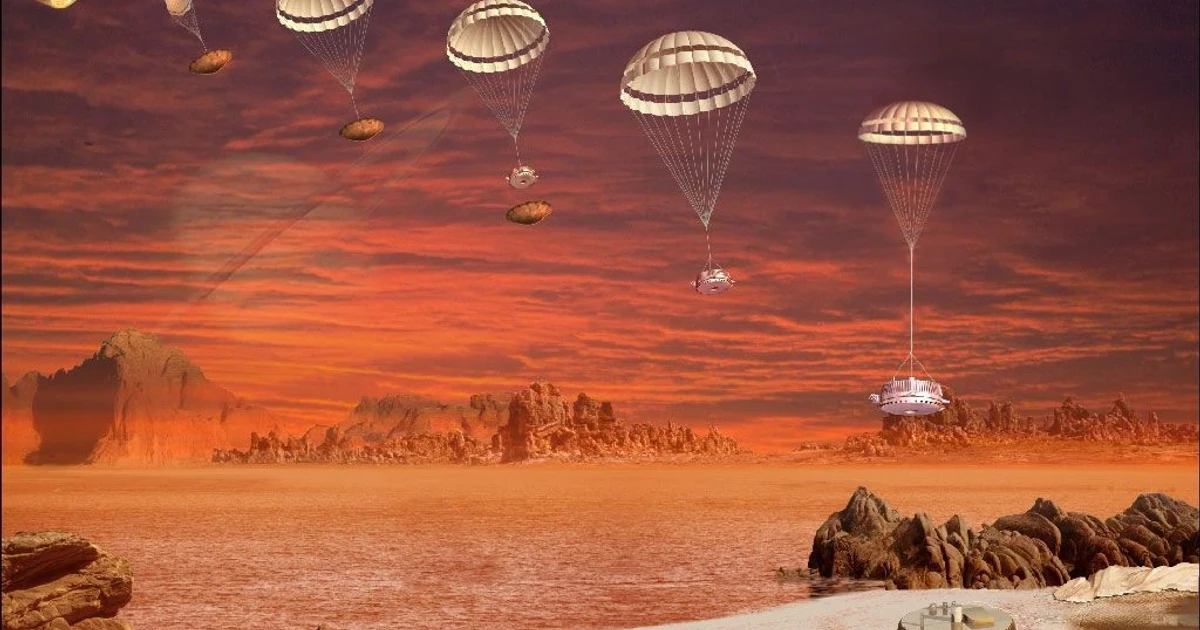
Huygens punched through Titan’s orange-brown atmosphere and made the first and only landing ever achieved in the outer solar system, touching down more than a billion kilometres from Earth in temperatures that fell below minus 170 degrees Celsius. For 72 minutes after impact, the probe kept transmitting data, turning a brief descent into a milestone that still defines how scientists think about alien worlds.
The European Space Agency’s probe landed on Titan on January 14, 2005, at 13:34 CET, or 12:34 UTC, after a seven-year journey to the Saturn system attached to NASA’s Cassini spacecraft. The descent lasted about 147 minutes, or roughly two hours and 27 minutes, as Huygens fell through Titan’s thick atmosphere toward the surface of Saturn’s largest moon. Cassini carried the probe to Saturn and relayed Huygens’ signal back to Earth until the orbiter moved out of line of sight and the data link ended.
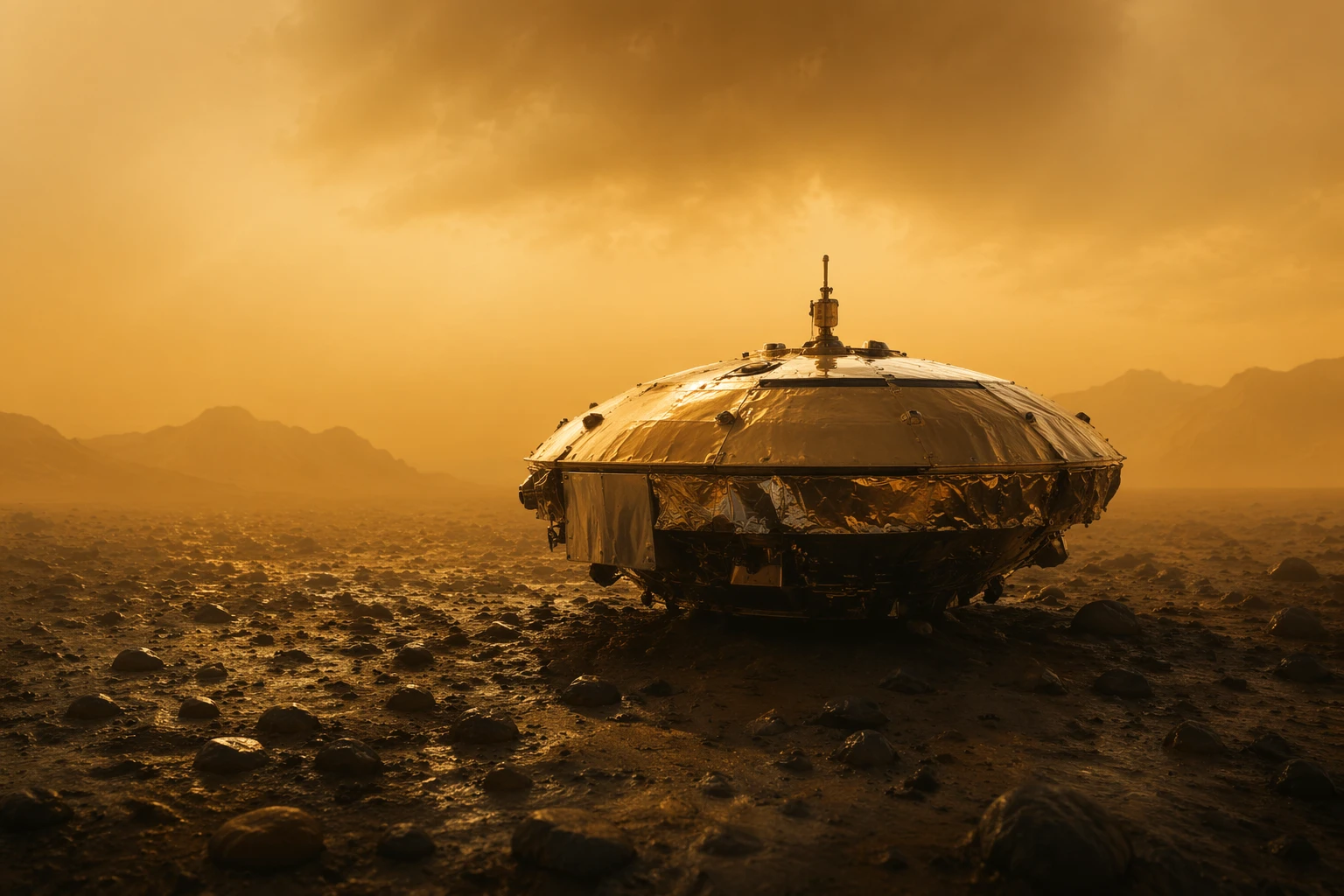
Huygens was built to study Titan from about 170 kilometres above the surface all the way down to touchdown, measuring chemical properties, wind, temperature and pressure through the moon’s atmosphere. That design paid off immediately. ESA said the probe detected light winds at the surface, a temperature of about minus 170 degrees Celsius and atmospheric pressure slightly higher than Earth’s.
Those measurements made Titan feel less like a distant rock and more like a planetary laboratory. Scientists had long compared Titan with early Earth because it has a thick nitrogen-rich atmosphere and methane-driven weather and surface processes that may help explain how planetary atmospheres evolve. Huygens gave that comparison real data, not speculation, and showed that the moon’s hazy chemistry could be studied directly from above and on the ground.
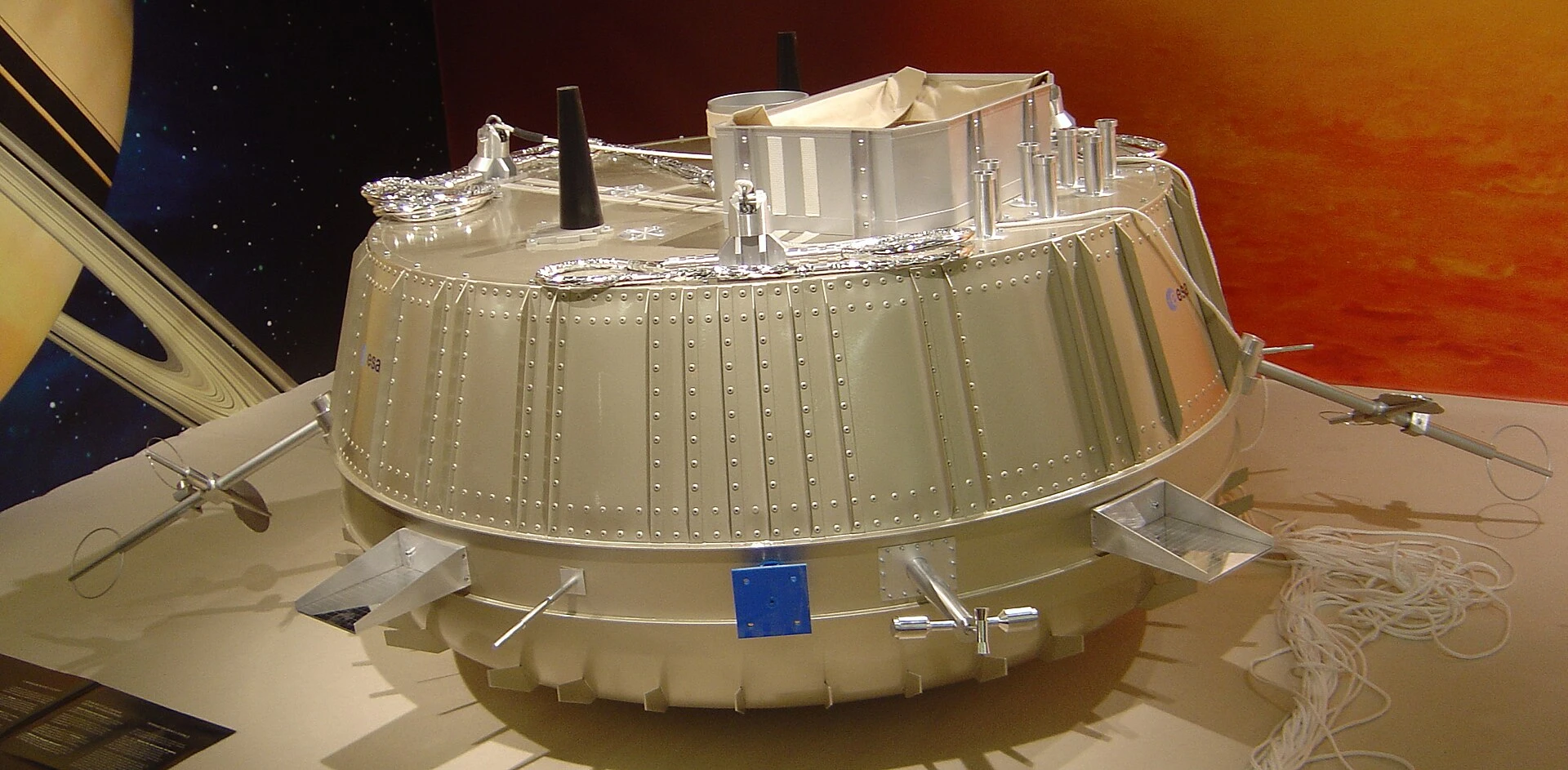
The landing also marked a European first in deep-space exploration. Named for Christiaan Huygens, the probe became a benchmark for planetary missions and remains the farthest landing from Earth ever achieved by a spacecraft. More than two decades later, it still stands as a reminder that a short-lived probe can change long-term strategy, especially for missions aimed at ocean worlds and alien atmospheres where the surface itself must be sampled, not just photographed from orbit.
Sources
- [1]news.google.com
- [2]science.nasa.gov
- [3]sci.esa.int
- [4]spacedaily.com
- [5]sciencedaily.com