US News
HVAC replacement costs may hit new homeowners sooner than expected
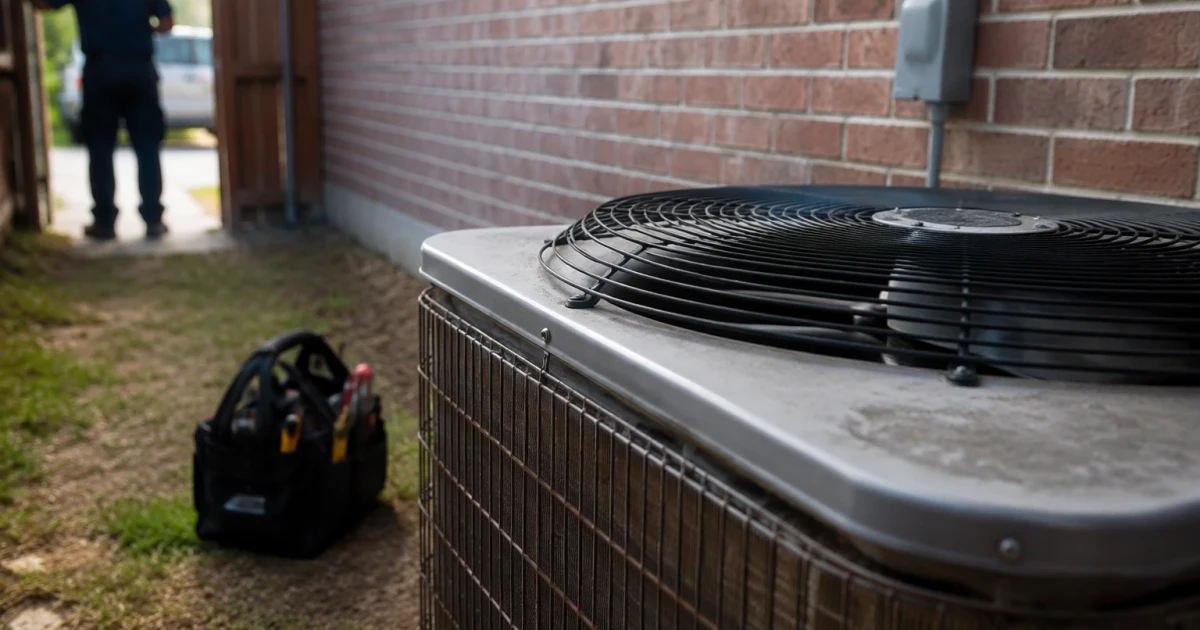
Pennsylvania Realtors says 16% of homeowners experienced an HVAC system dying in the first year. Replacing a basic central air conditioner starts around $3,000 and can run well above $15,000, with some high-efficiency or geothermal setups topping $25,000, Carrier says.
Why first-year buyers get caught off guard
For buyers trying to absorb mortgage payments, taxes, insurance and moving costs all at once, that kind of failure can hit before the first season change.
The age of the system should be part of the same conversation as roof age, water heater condition and electrical updates. A unit that is already near the end of its expected life can force a major decision soon after closing rather than years down the road.
Know the lifespan before you make an offer
Modern HVAC systems last 15 to 25 years on average, Carrier says, but that range hides important differences. Furnaces may last 15 to 30 years, while heat pumps generally run about 10 to 15 years, so the type of equipment matters as much as the sticker on the thermostat.
Maintenance and installation quality shape that lifespan. ENERGY STAR recommends regular maintenance for heating and cooling equipment, and Carrier warns that neglected maintenance can lower performance and shorten system life. That means two homes with the same model can age very differently depending on how well they were installed and serviced.
When you tour a home, ask for the system’s age, the last service date and any repair records. A 12-year-old heat pump is not the same risk as a 12-year-old furnace, and a seller who cannot document routine service is handing you a weaker piece of equipment, even if it still turns on during the inspection.
What replacement really costs
The budget shock comes from how wide the price range runs. Carrier says HVAC replacement typically costs from $3,000 to over $15,000, with a basic central air conditioner replacement starting around $3,000. At the upper end, high-efficiency systems or geothermal setups can exceed $25,000.
Other consumer cost guides land in a similar neighborhood but with a different spread. Angi places HVAC replacement between $5,000 and $22,000 and gives it an average of $7,500 based on unit type and home size. Bob Vila also pegs HVAC unit replacement at $5,000 to $12,500, with a national average of $7,500.
A first-time buyer should treat the $7,500 average cited by Angi and Bob Vila as a planning number, not a ceiling. If the house needs a specialized setup, if the home is larger, or if ductwork and installation are complicated, the final bill can climb quickly.
Use the inspection window to negotiate
Inspection time is where HVAC becomes a bargaining chip. Ask about the system’s age and condition before you close, because the difference between a unit that has five years left and one that has one year left can be thousands of dollars.
If the inspector flags an older system, push the conversation beyond a simple “works now” checklist. A unit near the end of its expected life, especially a heat pump already approaching the 10 to 15 year mark, can justify a repair credit, a seller concession or a price adjustment that reflects the replacement you may soon need.
Aging systems are also worth discussing when repair costs start stacking up. If the furnace or compressor has already needed multiple fixes, the repair-versus-replace question can arrive sooner than expected, and a new homeowner should not wait for a full breakdown before weighing the numbers.
Build the replacement into your first-year budget
The smartest way to handle HVAC risk is to treat it like a predictable capital expense, not a surprise. If the system is old, set aside a replacement reserve before closing or immediately after move-in, using the $7,500 average cited by Angi and Bob Vila as a practical planning target and recognizing that the real bill could be far higher for complex equipment.
Regular maintenance still matters after you buy, because it can help preserve performance and extend service life. Neglected maintenance can lower performance and shorten system life.
Sources
- [1]cbsnews.com
- [2]carrier.com
- [3]angi.com
- [4]bobvila.com
- [5]realtor.com
- [6]parealtors.org
- [7]energystar.gov