Health
Hypertension Linked to Dementia Years Before Diagnosis
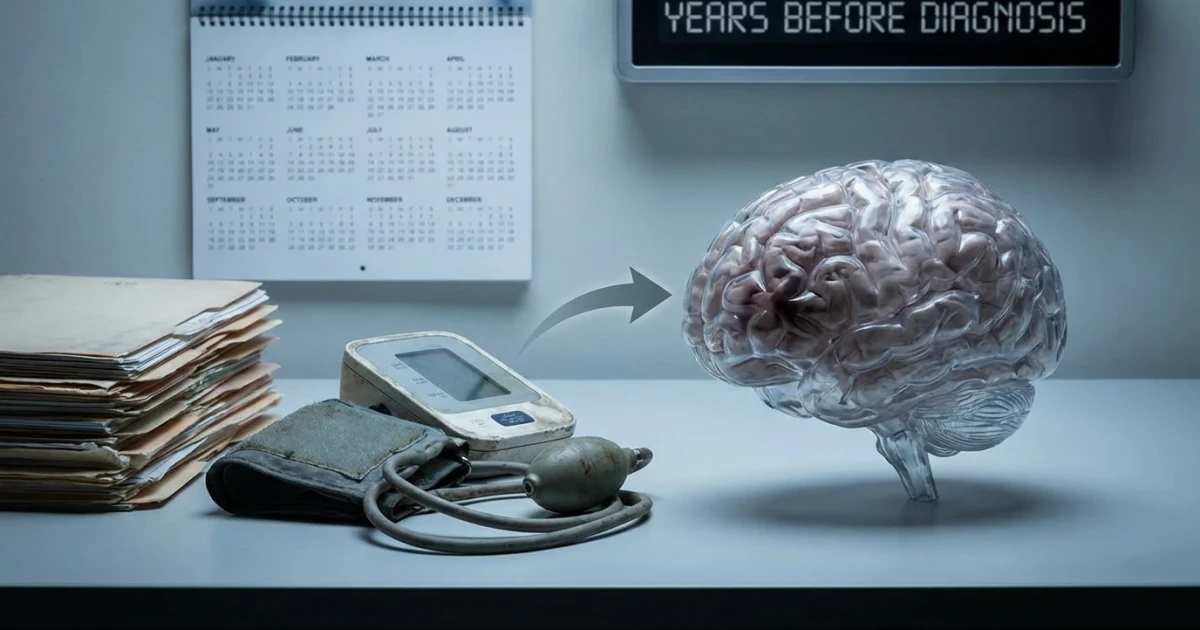
Hypertension, a widespread medical condition, is now being recognized as a significant factor that often emerges years before the onset of dementia. Recent studies underscore the importance of midlife blood pressure management in reducing the risk of cognitive decline, with researchers urging increased public awareness and early intervention.
New Study Sheds Light on Early Warning Signs
A study highlighted by AOL.com points to mounting evidence that high blood pressure is frequently observed long before dementia symptoms manifest. The findings build on previous research, including analyses published in peer-reviewed journals, which found a strong association between hypertension and an elevated risk of developing dementia later in life. The research article in PMC provides in-depth statistical analysis, confirming that individuals with elevated blood pressure in midlife are more likely to experience cognitive decline as they age.
Understanding the Connection Between Hypertension and Dementia
According to the National Institute on Aging, dementia is an umbrella term for a range of symptoms affecting memory, thinking, and social abilities severely enough to interfere with daily life. The most common cause is Alzheimer's disease, but vascular dementia, often tied to blood vessel health, is also prevalent. Multiple studies have established that uncontrolled hypertension damages blood vessels in the brain, potentially setting the stage for both Alzheimer's and vascular dementia.
- Global data from the IHME Global Burden of Disease Study indicates that dementia prevalence is rising worldwide, with modifiable risk factors like hypertension playing a critical role.
- The CDC's dementia statistics show that millions of Americans are affected, and managing chronic conditions such as hypertension could help curb future cases.
Implications for Prevention and Public Health
Experts emphasize that the identification of hypertension as an early warning sign has significant implications for both individuals and healthcare systems. Managing blood pressure through lifestyle changes, medication, and regular check-ups may reduce the risk or delay the onset of dementia. The Alzheimer’s Society reports that addressing risk factors could potentially prevent up to 40% of dementia cases globally.
The NHS also notes the importance of early intervention, encouraging adults to monitor their blood pressure and adopt healthy habits such as a balanced diet, regular exercise, and avoiding excessive alcohol.
The Road Ahead: Research and Awareness
As dementia rates continue to climb, researchers and clinicians are calling for greater awareness of the link between hypertension and cognitive decline. While age and genetics remain strong risk factors, the modifiability of blood pressure offers hope for meaningful prevention. Ongoing studies are seeking to clarify the precise mechanisms and identify the most effective interventions.
For those concerned about their future brain health, the message is clear: maintaining healthy blood pressure in midlife is a practical and evidence-based step toward reducing the risk of dementia. For more information, explore official dementia statistics and research as well as resources from national health organizations.
Looking Forward
With mounting evidence supporting the connection between hypertension and dementia, both individuals and policymakers have new incentives to prioritize cardiovascular health. As research evolves, targeted prevention strategies may help reduce the burden of dementia on families and healthcare systems worldwide.