World
IAEA chief says inspectors will return to Iran nuclear sites
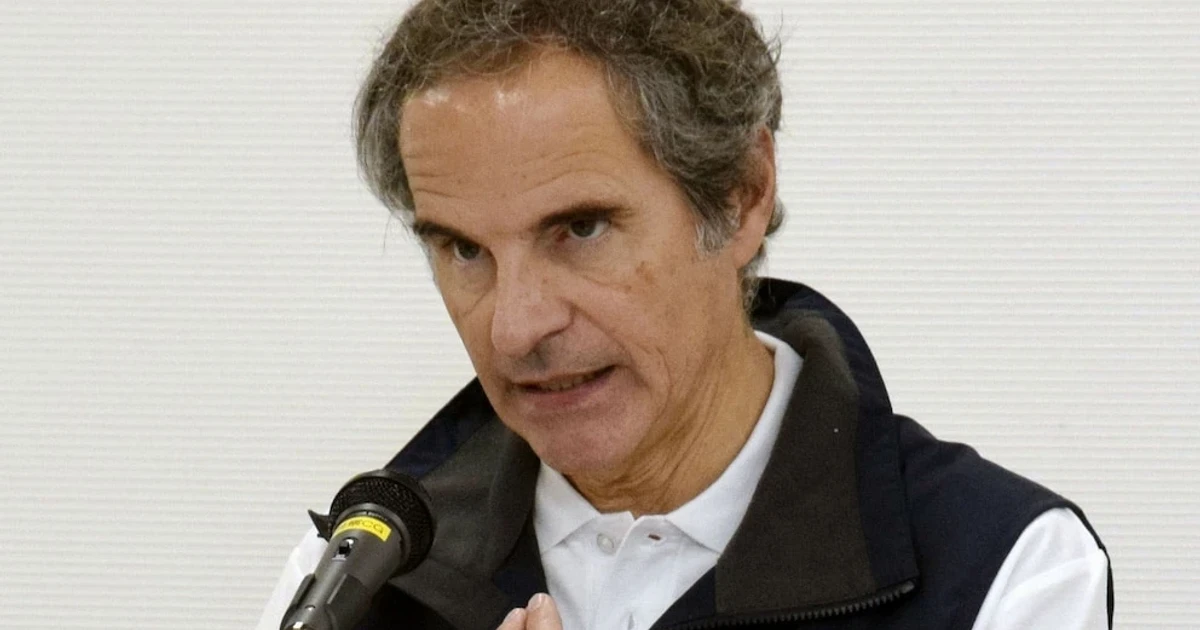
Rafael Mariano Grossi said the International Atomic Energy Agency’s inspectors would return to Iran’s nuclear sites, putting the argument over access back at the center of any interim U.S.-Iran arrangement. The agency’s chief made clear that an announced understanding means little unless inspectors can enter the facilities, check inventories and verify what remains after the June 2025 attacks.
The IAEA said the strikes on Iran’s nuclear sites caused a sharp degradation in nuclear safety and security and interrupted safeguards inspections for the first time since Iran accepted its Comprehensive Safeguards Agreement with the agency. Inspectors remained in Iran during the conflict and were ready to go back to work, including verifying nuclear material inventories.
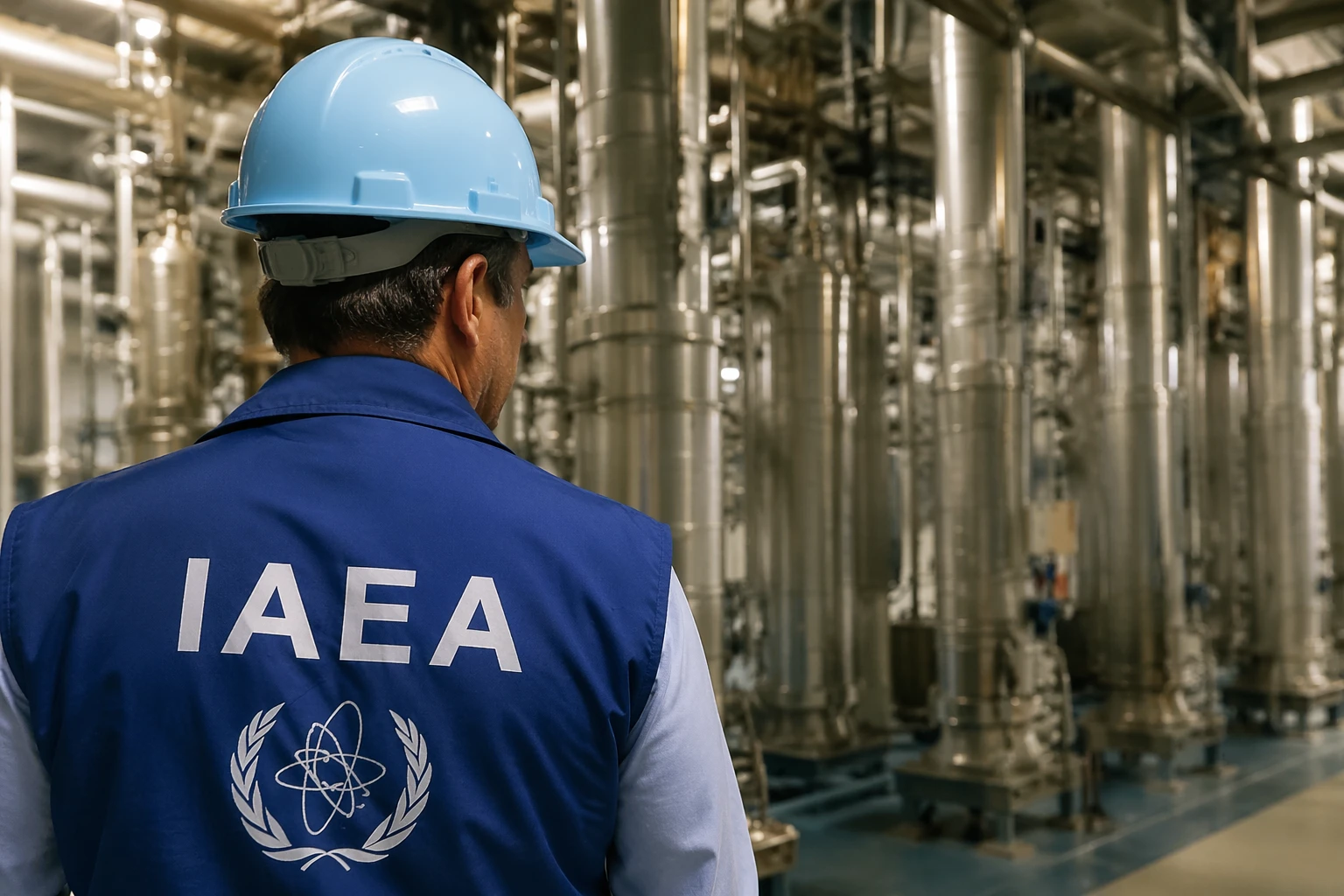
That work matters because the agency last verified Iran’s stockpile of more than 400 kilograms of uranium enriched to 60% only a few days before the 13 June 2025 Israeli strikes. In a 22 June 2025 briefing to the United Nations Security Council, Grossi said inspectors had to return to Iran’s nuclear sites to account for those stockpiles, including the material enriched to 60%, and that only IAEA inspections could do that.
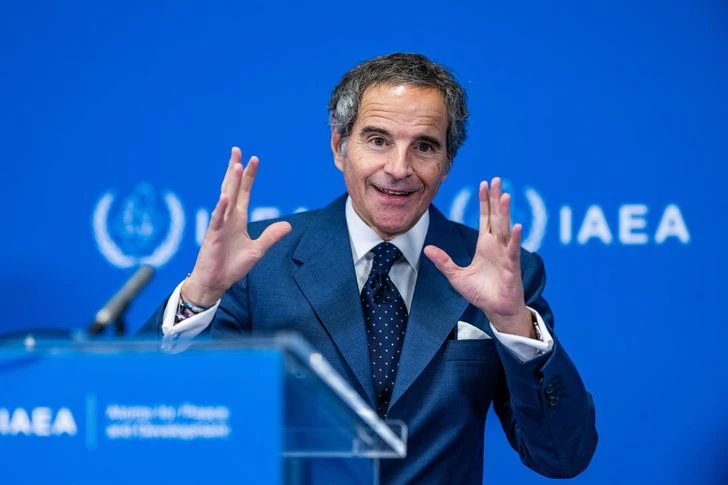
The agency monitored damage at Natanz, Fordow, Esfahan and Arak after the attacks. It later said Esfahan suffered additional damage, including impacts to underground areas and entrances to tunnels. Those findings sharpened concerns about what could no longer be measured from outside the sites, especially in a program long defined by questions over access, transparency and the scope of monitoring.
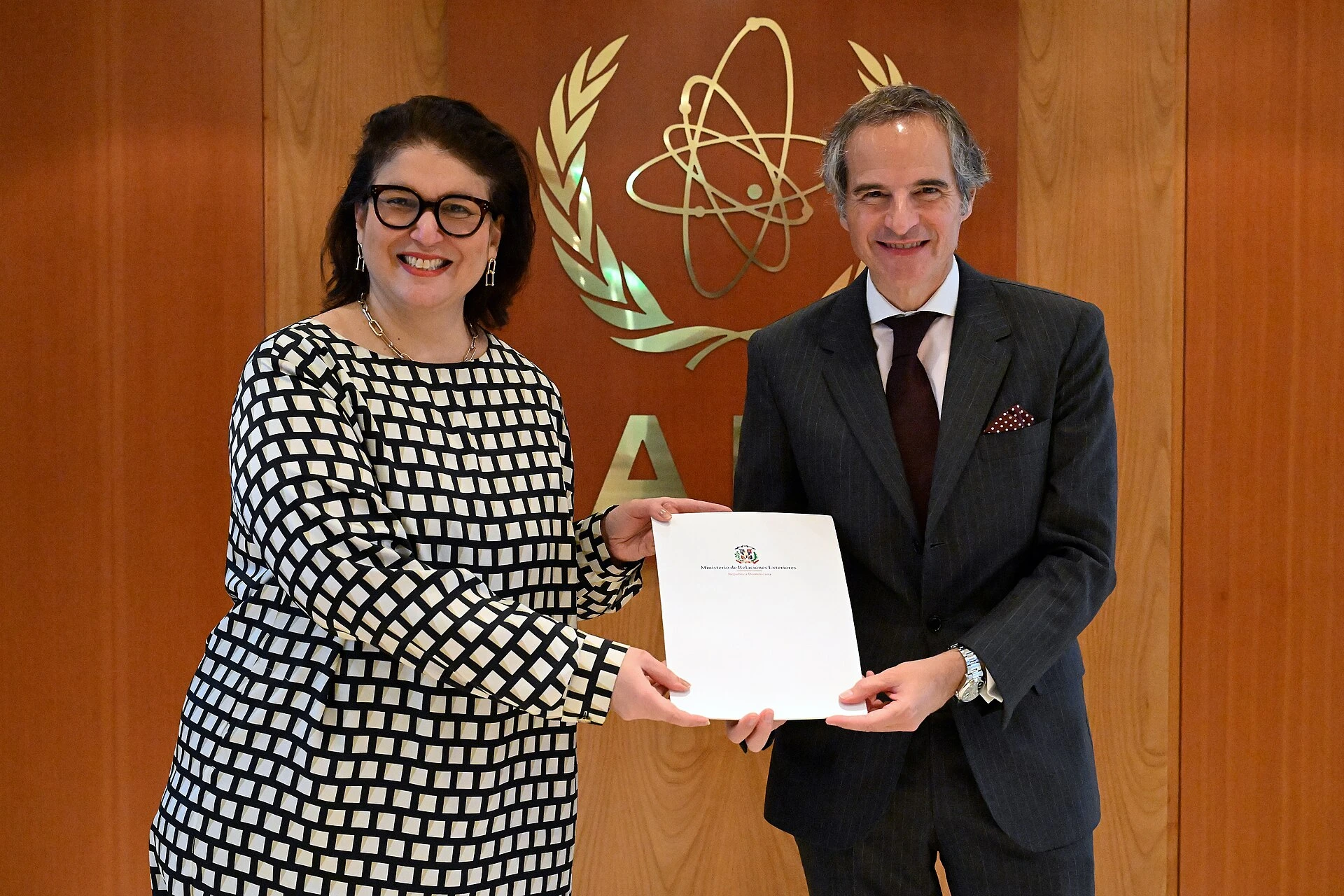
Grossi and Iranian Foreign Minister Abbas Araghchi signed practical modalities in Cairo on 9 September 2025 to resume IAEA inspection activities in Iran, a step the agency described as important for restoring monitoring. Even so, the political risk around access remained high. Iran’s parliament has previously voted to restrict access to military sites, documents and scientists during nuclear negotiations, underscoring how quickly verification can become the dividing line between a deal on paper and a constraint that inspectors can actually enforce on the ground.
Sources
- [1]abcnews.com
- [2]iaea.org
- [3]apnews.com