World
IAEA chief says Iran inspections will go ahead despite dispute
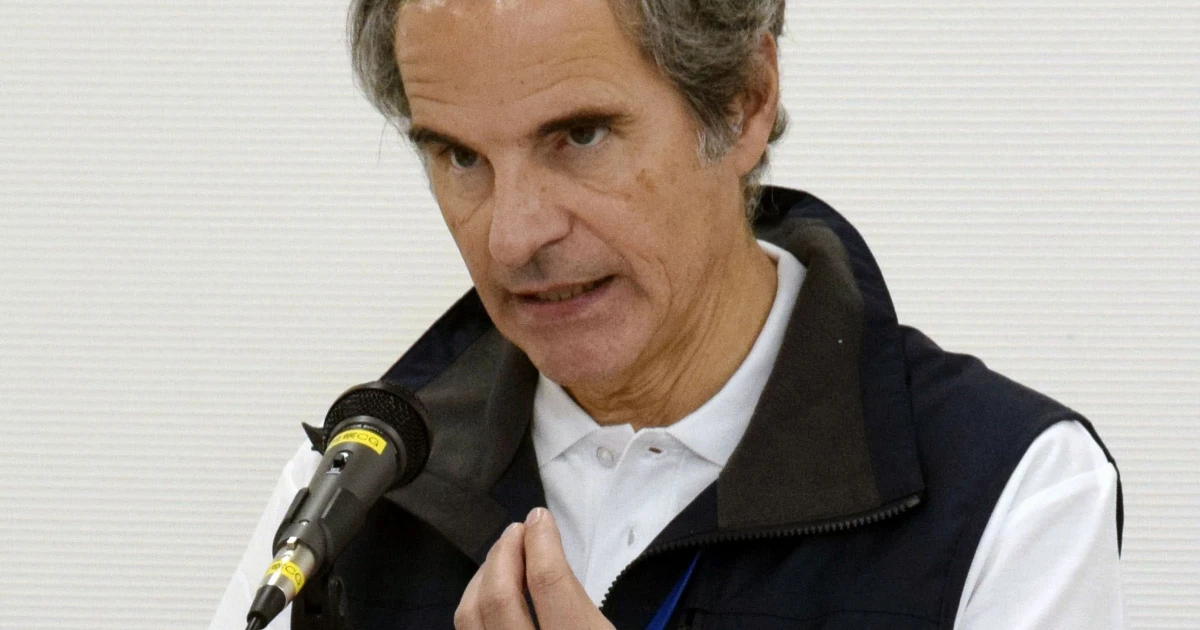
The International Atomic Energy Agency will carry out inspections in Iran, and Director General Rafael Grossi said in Japan that the timing is not essential. Grossi said the agency was working with Tehran on the “modalities” of the visits, including dates, procedures and places, as the dispute over access exposed how much remains unsettled despite the interim U.S.-Iran accord.
Iran immediately pushed back. Deputy foreign minister Kazem Gharibabadi said there were no current plans to allow access to attacked nuclear facilities or nuclear material, and said those issues would only be handled in a final agreement with Washington, after practical steps to lift U.S. sanctions. The gap between the two statements leaves the inspections question at the center of the wider diplomatic bargain, even as both sides publicly claim the process is moving ahead.
The immediate backdrop is a 14-point memorandum of understanding signed last week between the United States and Iran, followed by a 60-day process to work through the harder issues. That process has left the nuclear agency with a narrow but crucial role: determining the status of Iran’s stockpile and whether any enriched uranium remains unaccounted for after the war.
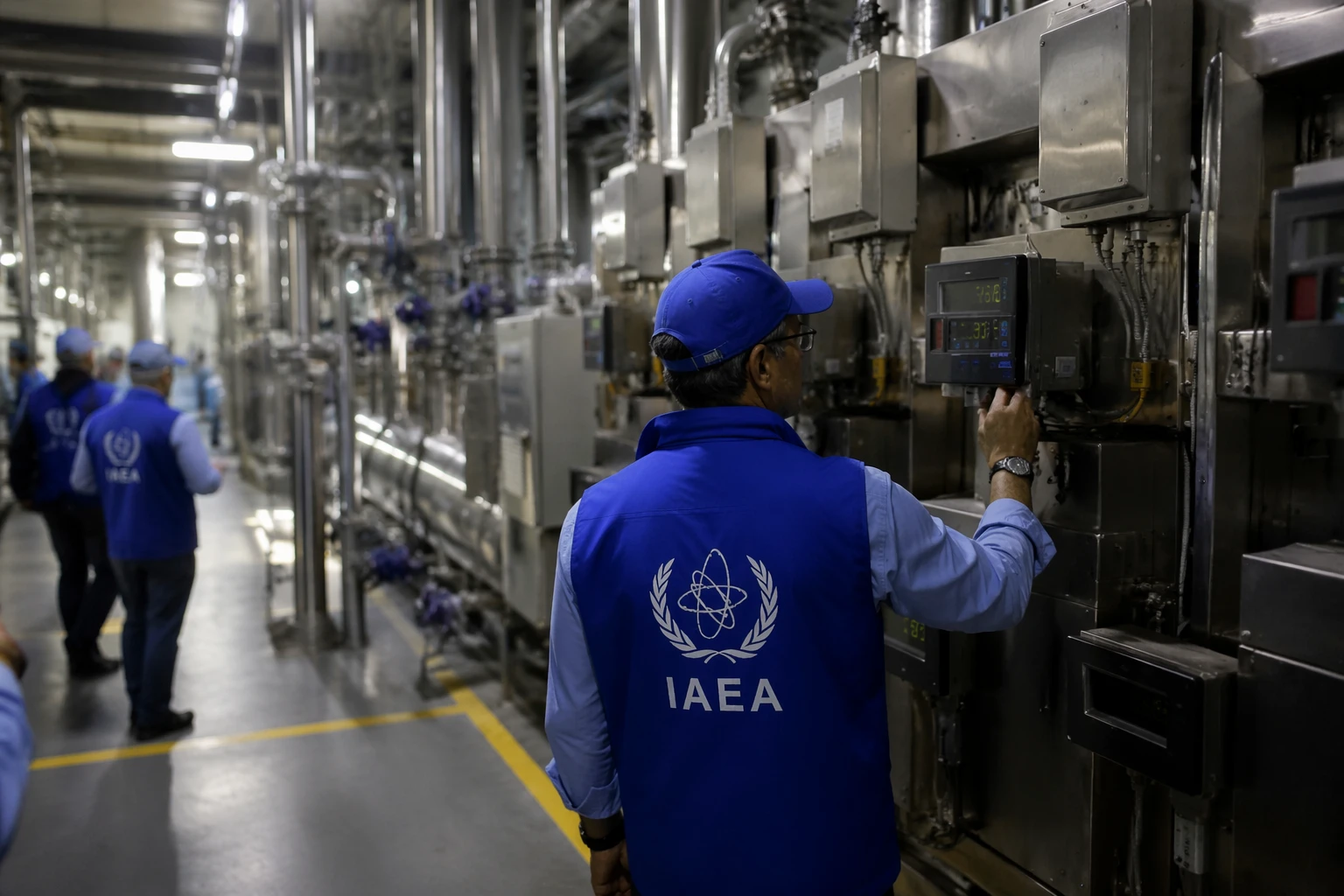
The agency’s June 4, 2026 reporting said there had been little change in Iran’s nuclear program despite the conflict, and it again pressed Tehran to explain the fate of its enriched uranium stockpiles. The agency also said it had been unable to fully verify the location and status of some enriched uranium after access was restricted by the attacks, a problem that makes the timing of inspections more than a procedural detail. In a dispute shaped by sanctions, access and confidence-building, each delay creates more room for competing claims about what remains in Iran’s program.
The inspections row is unfolding alongside broader U.S. diplomacy in the Gulf. Secretary of State Marco Rubio was traveling in the region on June 24 to reassure allies, including the United Arab Emirates, that worry the proposed deal is too soft. On the same day, the U.S. Senate approved a war-powers resolution aimed at pulling U.S. forces away from hostilities with Iran, underscoring how the inspection timeline has become part of a wider fight over whether the deal can hold and who gets to define its terms.
Sources
- [1]cbsnews.com
- [2]msn.com
- [3]apnews.com
- [4]usnews.com
- [5]isis-online.org