World
IAEA demands Iran account for missing enriched uranium stocks
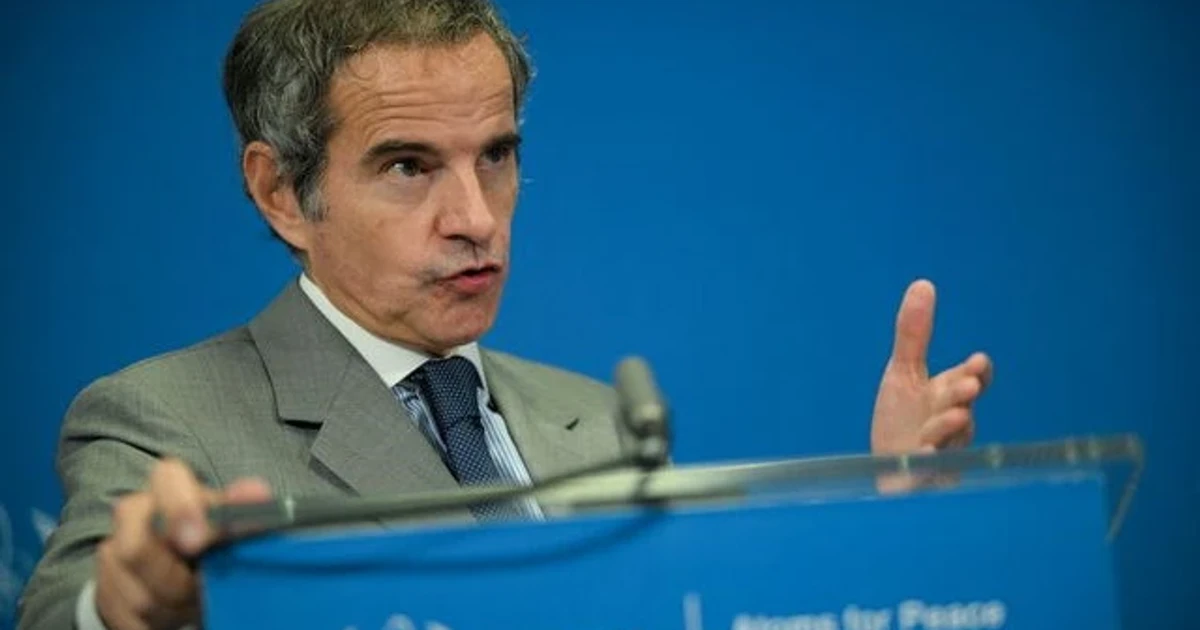
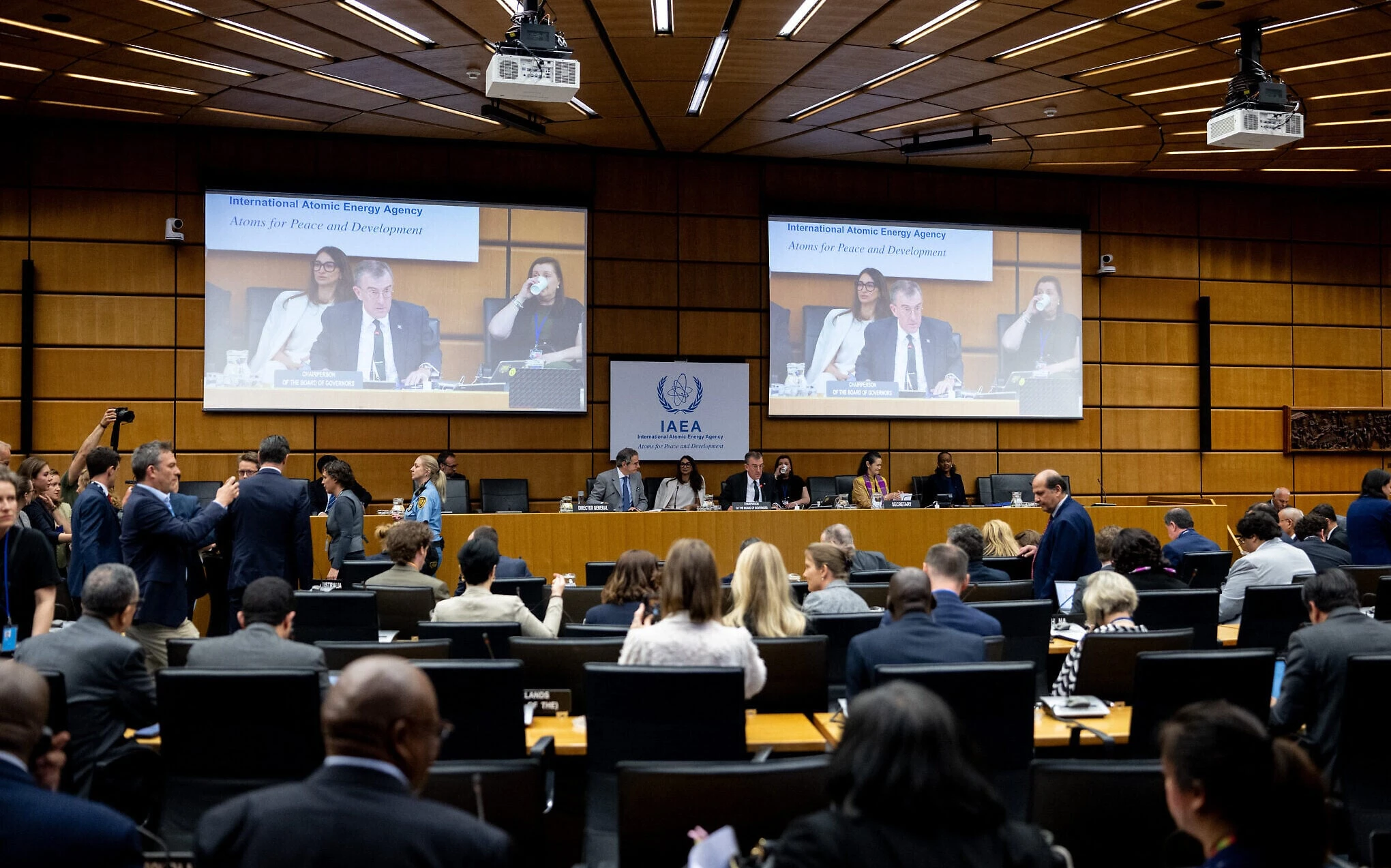
The IAEA’s latest board action tests whether pressure still has teeth in Iran’s nuclear dispute. The 35-nation Board of Governors backed a U.S.-sponsored resolution on June 10, telling Tehran to declare its remaining enriched uranium stocks and let inspectors verify them, even as military strikes and shrinking access have made the safeguards fight more dangerous.
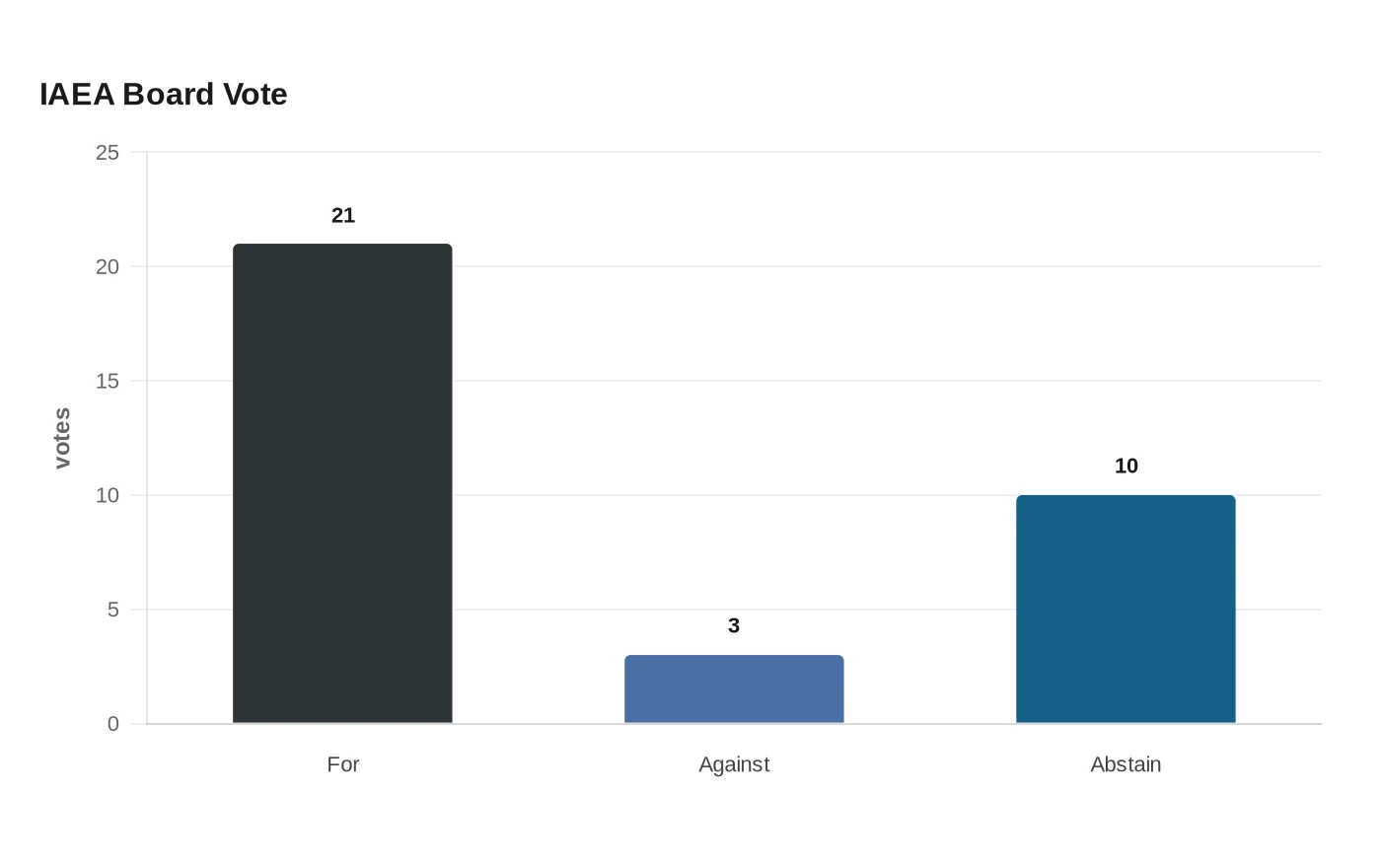
The vote was 21-3, with 10 abstentions. Russia, China and Niger opposed the measure, while the United States, Britain, France and Germany sponsored it. Their argument is straightforward: without an accounting of the uranium and access to damaged facilities, the agency cannot tell whether Iran’s program remains purely civilian or has crossed into a more sensitive phase.
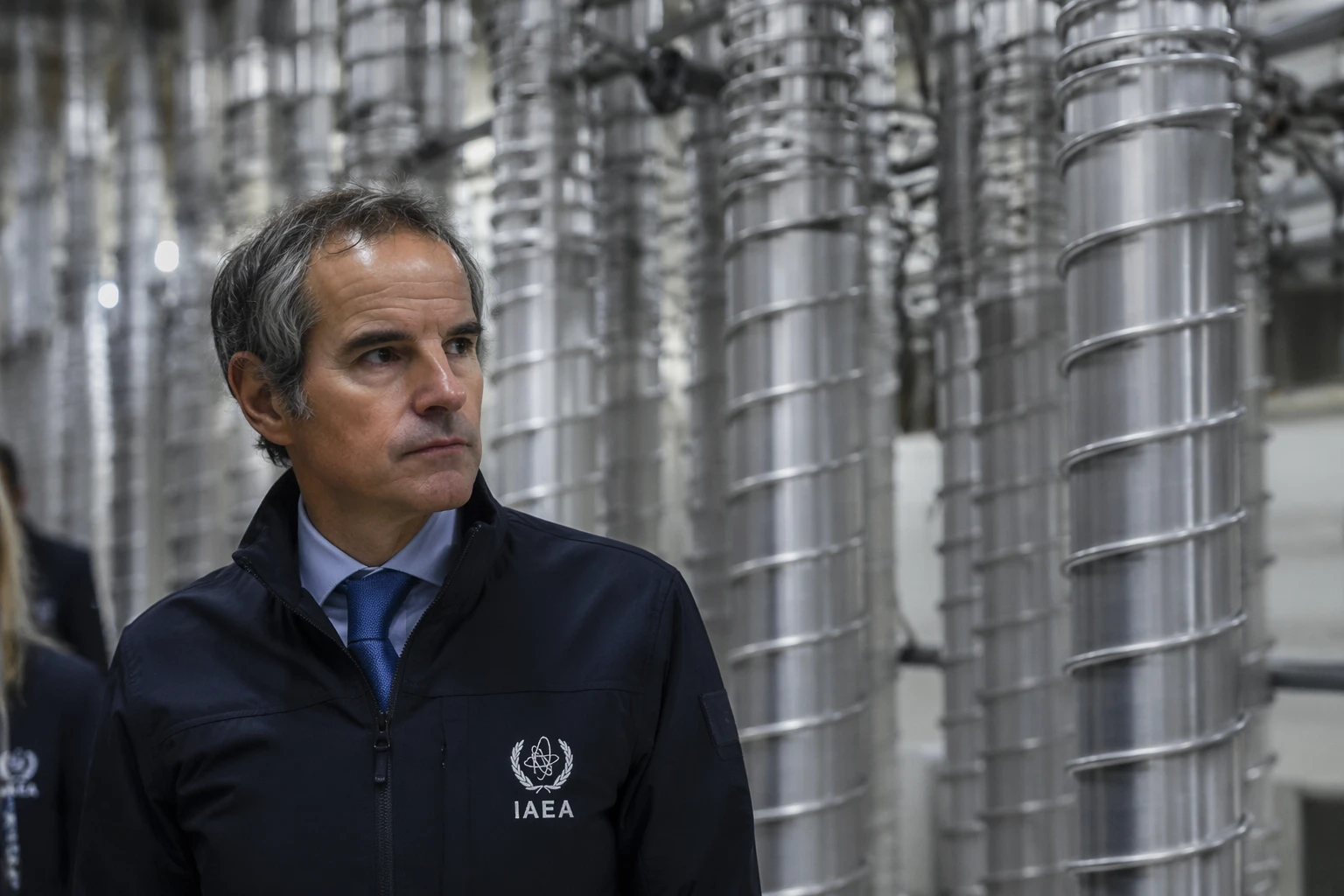
The stakes are unusually high because the IAEA said its inspectors last verified Iran’s inventories only days before the June 13, 2025 Israeli air strikes. Before those attacks, the agency had verified more than 400 kg of uranium enriched to 60% U-235, a level far above power-reactor fuel and close to weapons-grade material in technical terms. The agency also said the Natanz Fuel Enrichment Plant’s above-ground Pilot Fuel Enrichment Plant was destroyed in the strikes, and that the site’s electrical infrastructure, including the main power supply building and emergency backup systems, was hit as well.
Iran has not told the IAEA what happened to the enriched uranium that was at the bombed sites, and it has not allowed inspectors back in to verify the inventories. Tehran has called the resolution “whitewashing military aggression,” arguing that inspectors already had access before the attacks. Iran’s ambassador to the IAEA, Reza Najafi, said Tehran would decide how to respond.
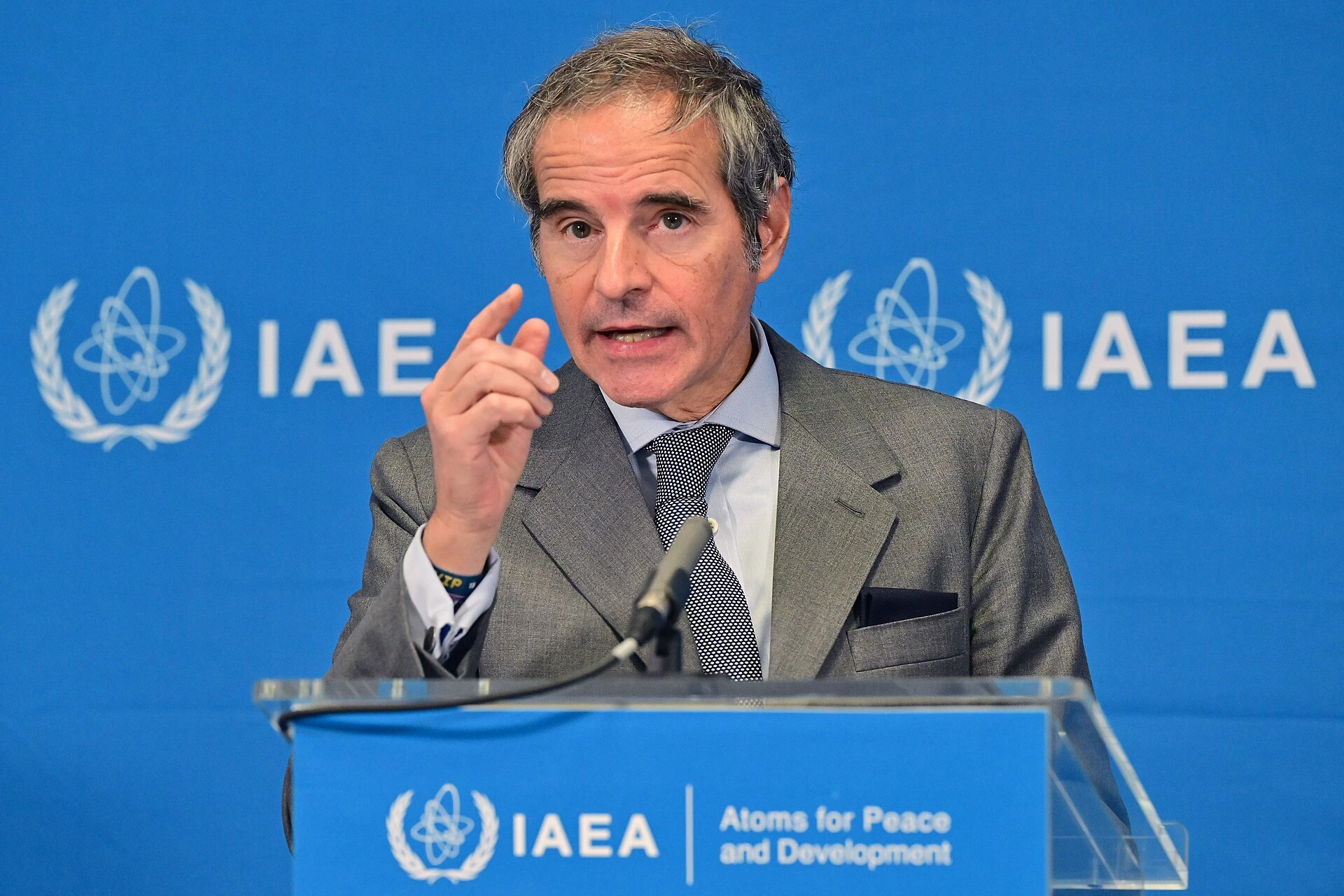
The board’s leverage is real, but limited. It can ratchet up diplomatic pressure, keep the issue alive inside the safeguards system and deepen the record of noncooperation. It cannot, by itself, restore access to Natanz or force a full inventory without Iranian consent. The agency’s own reporting framework now covers the location, quantity, chemical form and enrichment level of uranium stocks, along with centrifuges and related equipment, but those checks depend on inspectors being allowed back in.
That is what makes the vote more than a symbolic rebuke. It lands amid a broader security crisis, with U.N. Security Council restrictions related to Iran reinstated on September 28, 2025 and the June and November 2025 board resolutions already pressing Tehran to cooperate. If the uranium question stays unresolved, the risk is not just another censure in Vienna but a deeper break in the inspection regime, and a larger nuclear confrontation that spills beyond the agency’s walls.
Sources
- [1]usnews.com
- [2]iaea.org