World
IAEA warns Iran’s enriched uranium stockpile is unverified after strikes
The central problem in the Iran nuclear talks is no longer only how much uranium Tehran produced, but whether anyone can still verify where it is. After Israeli-U.S. strikes, the International Atomic Energy Agency says it has lost sight of Iran’s enriched uranium stockpile, including material enriched to 60%, a level far above the 3.67% cap in the 2015 nuclear deal and close to weapons-grade territory.
The first unresolved question is technical: how much of the stockpile survived. Before the strikes, the IAEA estimated Iran had 440.9 kilograms of uranium enriched to up to 60%, enough, if further enriched, for about 10 nuclear weapons by the agency’s yardstick. The IAEA has also said more than 200 kilograms may have survived in the Isfahan tunnel complex, with some additional material believed at Natanz. But Iran has not let inspectors back into the bombed sites and has not told the agency what happened to the material, so the exact status of the stockpile remains unknown.
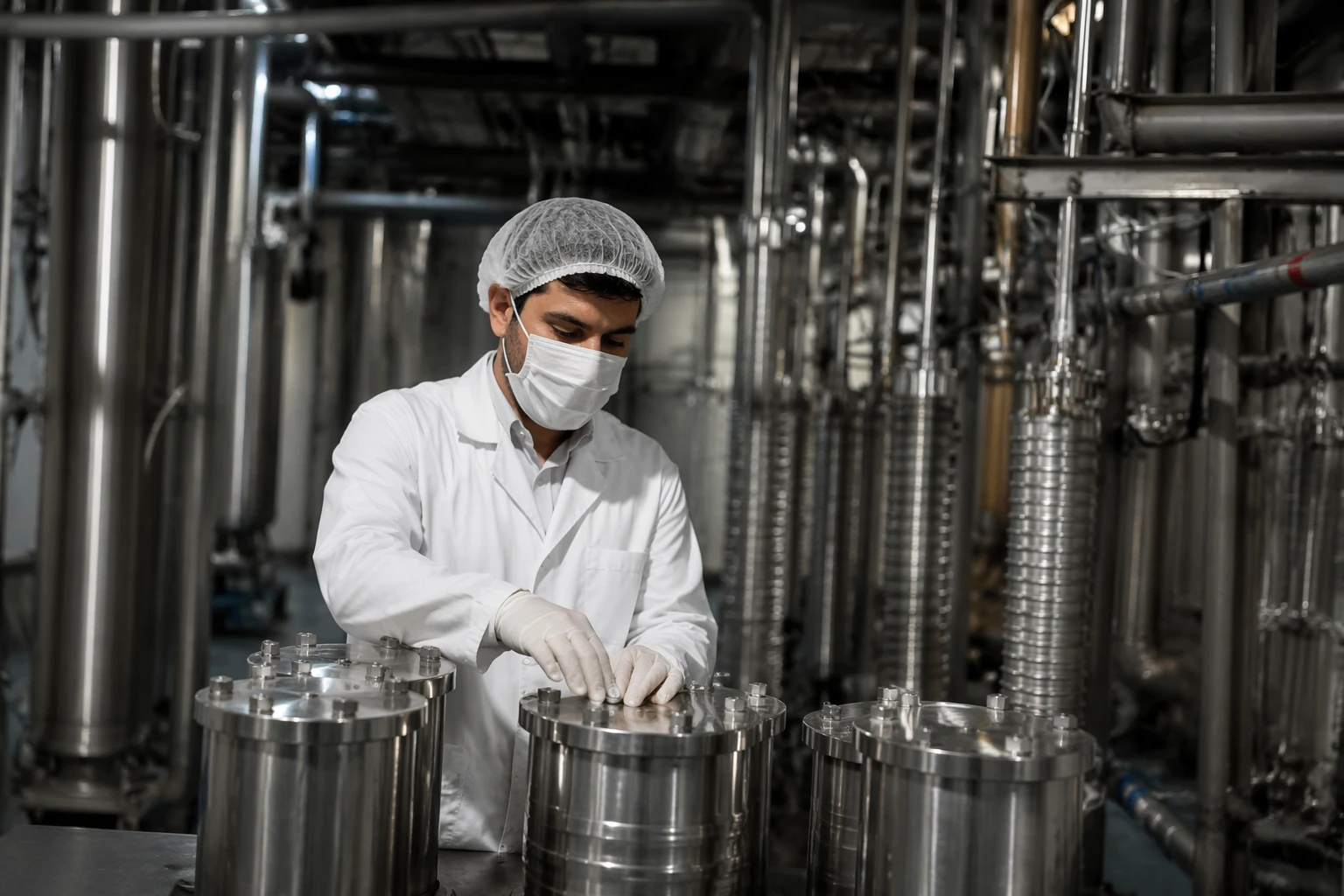
The second question is whether any monitoring regime still works. In its June 4, 2026 safeguards reporting, the IAEA said there had been a near-total loss of monitoring at Iranian nuclear sites after Iran suspended access nearly a year ago. Rafael Grossi’s agency said it could not verify the status of enrichment, plutonium reprocessing or heavy-water production, and could not report on the size, location or chemical composition of Iran’s enriched uranium stocks. That is not a narrow paperwork dispute. It is the difference between a monitored program and one that can move in the dark.
The third question is political: can any deal force disclosure. On June 10, the IAEA Board of Governors passed a U.S.-backed resolution, supported by Britain, France and Germany, demanding that Iran declare its remaining enriched uranium stocks and allow verification. Diplomats said the measure passed 21-3 with 10 abstentions, a sign of broad alarm but also of limited consensus on how to respond. Tehran, which insists its program is peaceful, is facing renewed pressure from the United States government as Donald Trump seeks assurances that Iran cannot secretly develop a weapon.
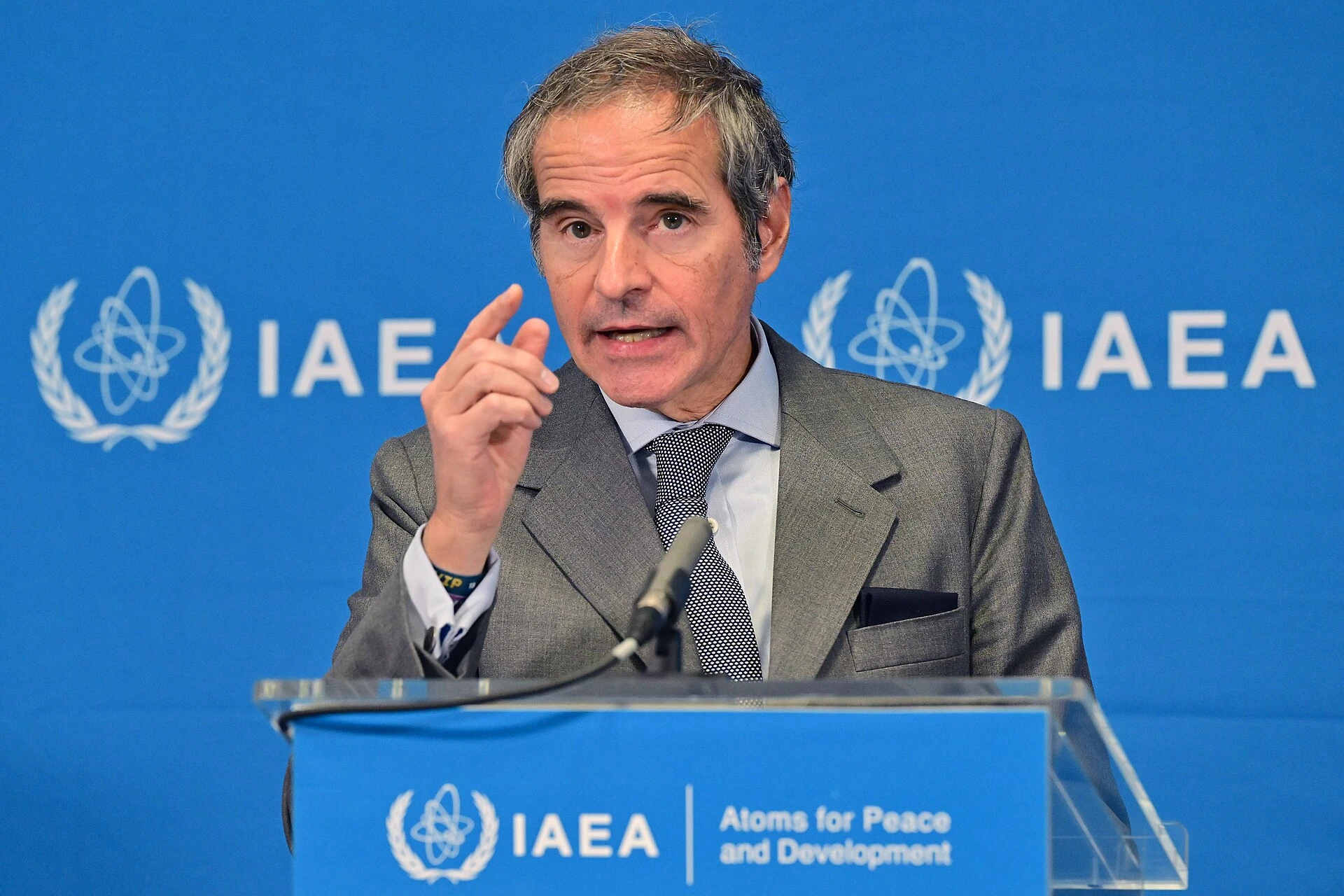
The fourth question is whether the coming talks can produce a breakthrough or only a pause. Saudi Arabia’s foreign minister, Prince Faisal bin Farhan, said verification is the most important issue, underscoring a regional demand that any agreement be enforceable, not symbolic. That matters because the old framework is weakened: the United States withdrew from the JCPOA in 2018, Iran began exceeding its limits from 2020, and UN snapback sanctions under the deal expired in October 2025. Without inspection access, the talks are not just about enrichment levels anymore. They are about whether the world can still measure Iran’s nuclear program at all.
Sources
- [1]nytimes.com
- [2]al-monitor.com
- [3]commonslibrary.parliament.uk
- [4]isis-online.org
- [5]msn.com