Entertainment
Ian Bogost argues Silicon Valley has made life less tactile
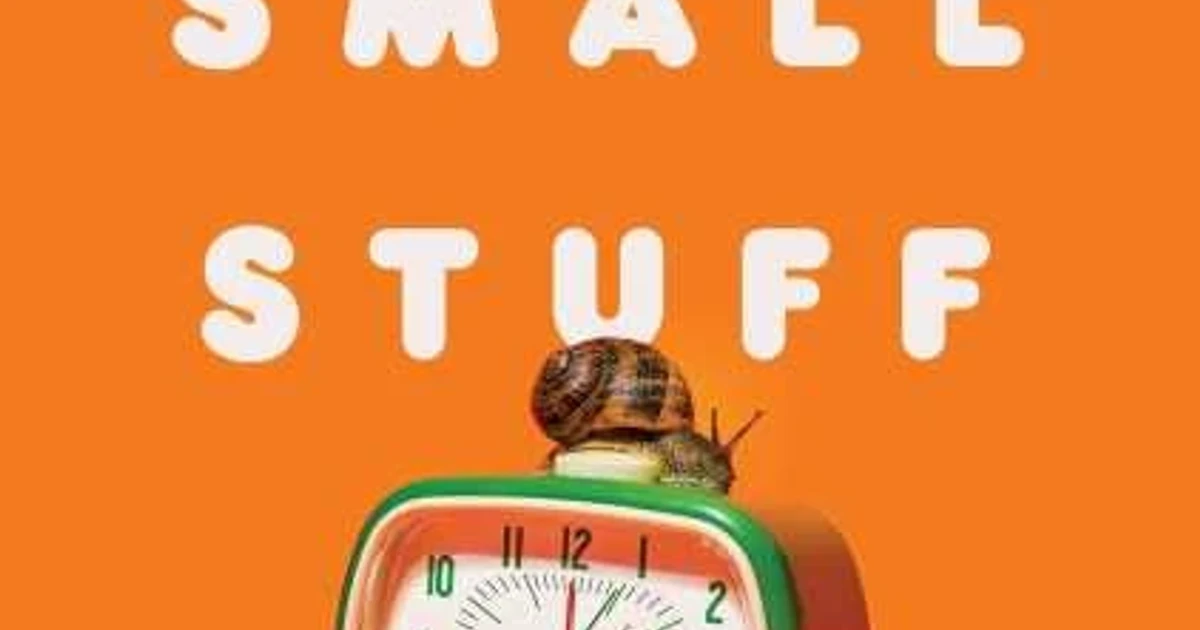
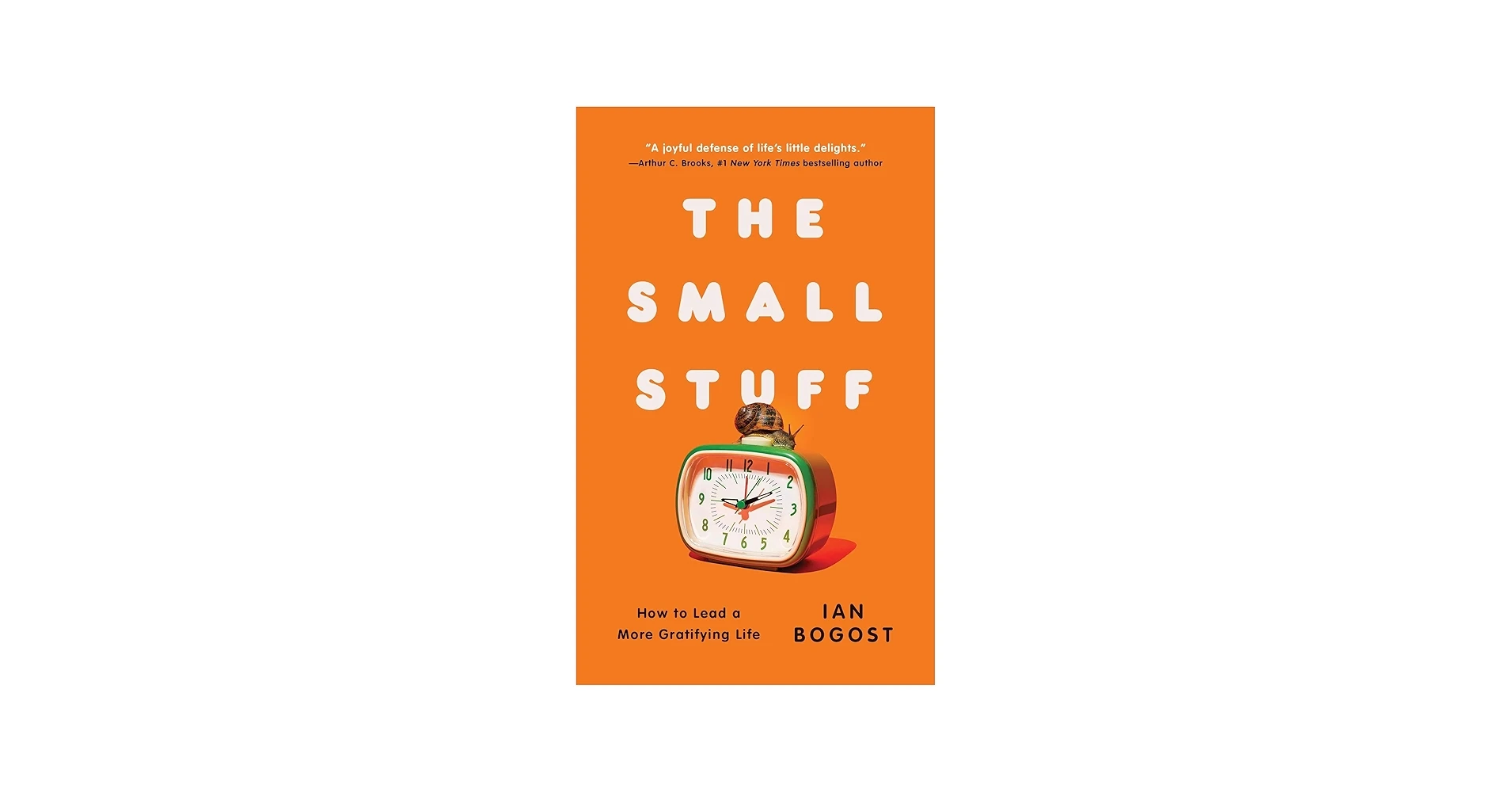
Ian Bogost is taking aim at the frictionless life with a new book that argues modern convenience has pulled people away from the physical world. The Small Stuff: How to Lead a More Gratifying Life is scheduled for hardcover release on July 7, 2026, from Atria, an imprint of Simon & Schuster, with a listed length of 240 pages and a price of $27.
Bogost, a contributing writer at The Atlantic and the Barbara and David Thomas Distinguished Professor at Washington University in St. Louis, has built the book around a central claim: gratification can come from reengaging with daily routines, touch, and sensory attention. His publisher copy says the book is about reconnecting with the physical world through sensory focus and ordinary habits, while Bogost’s own site describes it as a philosophical self-help book about the “sensory enchantment” of daily life.
That framing puts the book squarely in a broader cultural unease with digital convenience. Bogost is arguing that the same systems that make life easier, from endless automation to screen-based routines, can also flatten it, leaving less room for the small tasks that give days shape. His case is not for asceticism or nostalgia, but for attention: the satisfaction of ordinary experience, whether in work, shopping, parenting, or leisure, when those moments are not fully routed through a device.
Advance praise suggests the book is being read as more than a lifestyle title. Arthur C. Brooks calls it an argument for finding the good life in “life’s little delights,” while Oliver Burkeman says it makes a case for sensory pleasure in ordinary life. Publishers Weekly says Bogost makes a convincing case for reclaiming the lost joy of everyday interactions with the sensory world.
Bogost’s background gives the argument extra weight. He has spent years writing about technology, media, and design, and his work as a game designer has reached millions of players and is held by the Smithsonian American Art Museum. That combination of academic work and design experience makes The Small Stuff less a retreat from tech than a critique of what tech culture has rewarded most: speed, scale, and abstraction.
The book’s question is simple, but the answer may not be. If the small satisfactions of daily life can serve as a corrective to dematerialized living, they may also remain easiest to claim for people who have the time and money to slow down. Bogost’s book places that tension at the center of its appeal.