Technology
IBM buys HRL Laboratories to bolster dual-track quantum strategy

IBM said July 23 it had signed a definitive agreement to acquire HRL Laboratories, LLC, the Malibu, California research lab jointly owned by Boeing Co. and General Motors. IBM described HRL as a flagship research and development institution and said its expertise in silicon-spin qubits and quantum sensing would strengthen and extend the company’s quantum computing mission. Financial terms were not disclosed, and IBM said the transaction was expected to close by the end of the third quarter of 2026, subject to regulatory approvals and customary closing conditions.
The purchase shows IBM is broadening its quantum bet rather than relying on a single scientific path. IBM’s July 23 explainer on spin qubits called them an important element of the HRL acquisition, underscoring that the company sees spin-based hardware as part of its core roadmap, not a side project. Boeing and General Motors were expected to continue partnering with IBM on quantum applications and advanced technology development after the transaction.
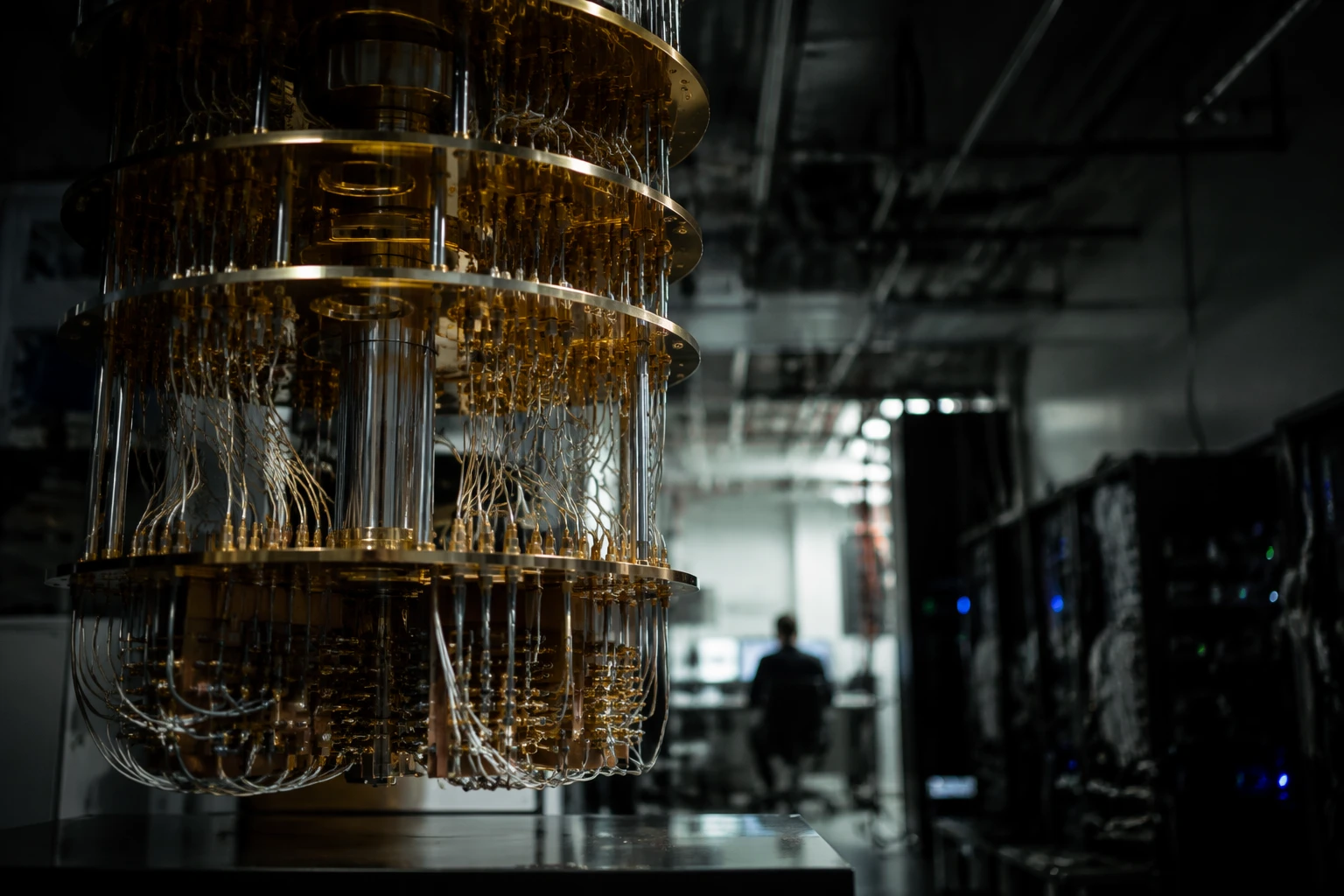
That hedge points to the stubborn bottlenecks still blocking practical quantum computing. The field continues to struggle with error rates, hardware fragility and the challenge of moving from laboratory demonstrations to systems that can do useful work better than classical computers. By adding HRL, IBM is not just buying a lab in Malibu; it is deepening its intellectual property and talent base in silicon-spin qubits and quantum sensing, two areas that could feed future work in cryptography, materials science, optimization and drug discovery.
The move also matters for the balance of power among major U.S. technology players. IBM, with its long enterprise computing history, is showing that quantum is now both a prestige race and a commercialization race, where control of specialized research talent can matter as much as raw hardware output. Buying HRL gives IBM more control over research direction and a tighter link between experimental work and its existing computing and cloud ecosystem.
The acquisition suggests that the quantum market may be moving toward consolidation around a few deep-pocketed players with enough capital to own the labs as well as the platforms. In that environment, the fight is no longer just over qubit counts or scientific milestones, but over which technical route, and which company, can turn quantum computing into a durable business.
Sources
- [1]reuters.com
- [2]newsroom.ibm.com
- [3]research.ibm.com
- [4]x.com
- [5]quantumcomputingreport.com
- [6]pulse2.com