Technology
IBM unveils world’s first sub-1 nanometer chip technology
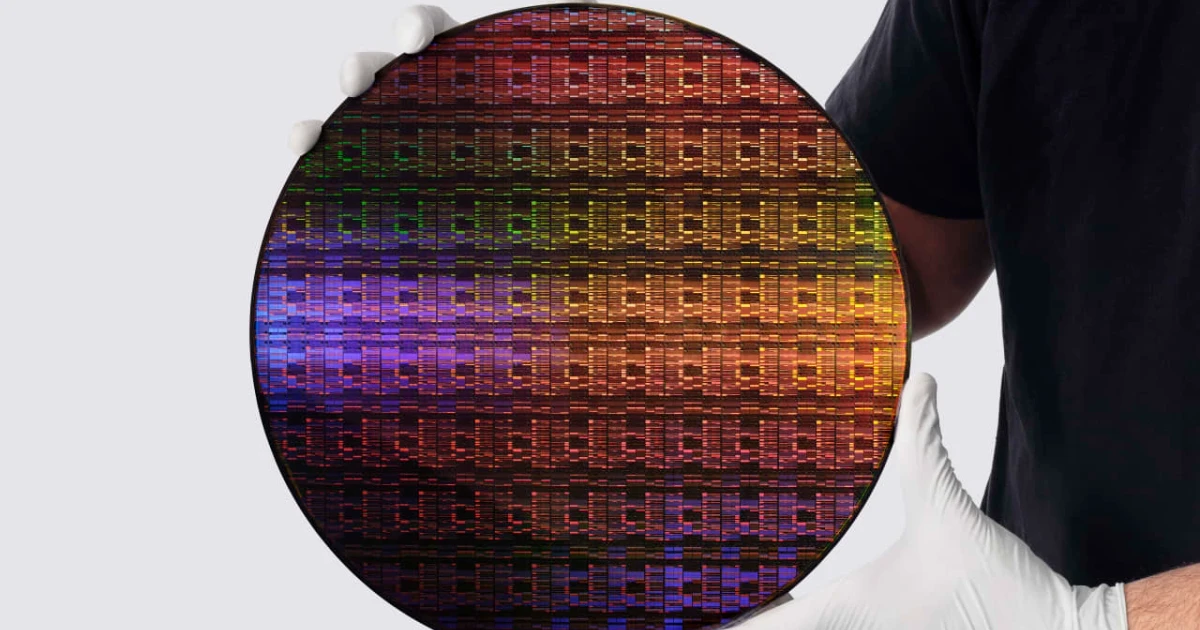
IBM unveiled what it called the world’s first sub-1 nanometer chip technology, a 0.7 nanometer, or 7 angstrom, node built around a new three-dimensional transistor architecture. The company said the prototype squeezes nearly 100 billion transistors onto a chip about the size of a fingernail, nearly doubling the density of its 2 nanometer chip from 2021 and pointing to as much as 50% more performance or 70% better energy efficiency.
The label matters because sub-1 nanometer does not mean a chip is literally smaller than a single atom. It marks a continued shrink in the critical features that let engineers pack more transistors into the same area, even as the industry runs closer to atomic limits. IBM said the work is aimed at generative AI, cloud infrastructure and next-generation devices, where power use and heat have become as important as raw speed.
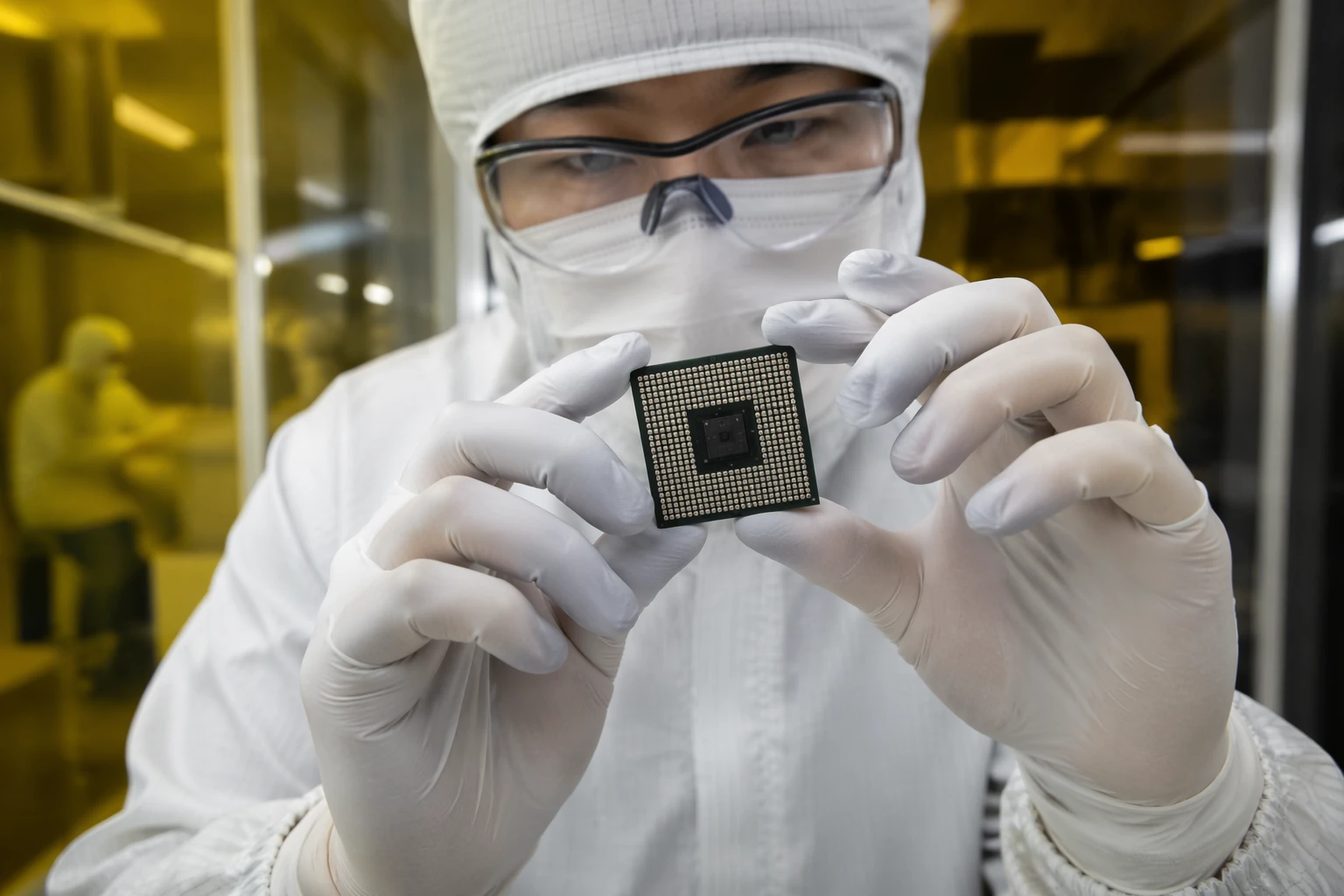
IBM said the architecture, called nanostack, is the industry’s first known three-dimensional, nanosheet-based design. Jay Gambetta, IBM Research’s chief, said the company is “not just making smaller transistors” but “reinventing how chips are built.” IBM said the design vertically stacks and staggers transistors and can combine different materials in each layer, a shift that reflects how chip advances are increasingly tied to packaging, materials and 3D integration rather than simple planar shrinking alone.
The company’s push is unfolding alongside a five-year collaboration with Lam Research announced on March 10, 2026, to advance sub-1 nanometer logic scaling. IBM and Lam said the effort centers on novel materials, fabrication processes and High-NA EUV lithography, extending more than a decade of joint work that IBM says helped enable early generations of 7 nanometer, nanosheet and EUV process technologies. IBM also said its work with Rapidus on 2 nanometer chip production, including selective layer reductions and nanosheet gate-all-around transistors, shows how far the path to manufacturing still has to go.
That is the reality check for the U.S. tech race. A prototype in Yorktown Heights does not by itself change the global balance of chipmaking, but it does show that the race is shifting toward whoever can master advanced materials, lithography and manufacturing partnerships fast enough to feed AI systems, harden supply chains and support defense-grade computing. In that contest, the question is no longer whether scaling can continue, but which countries and companies can turn the next breakthrough into volume production first.