World
ICC Begins Hearings on Duterte’s Conduct in Drug War
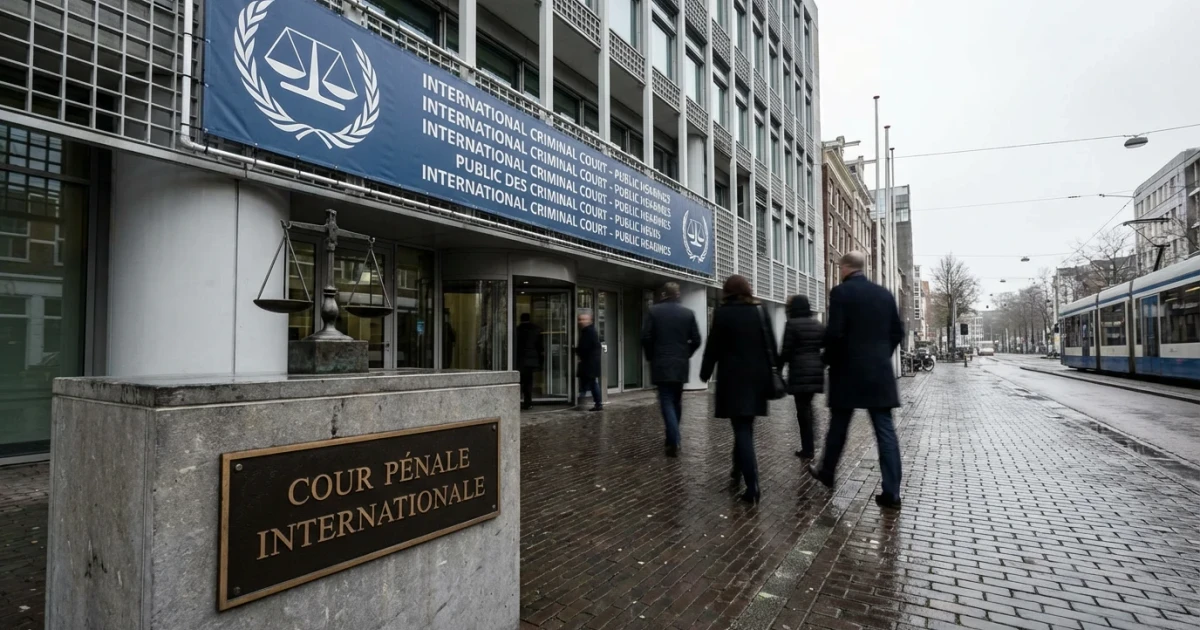
The International Criminal Court (ICC) has commenced hearings into former Philippine President Rodrigo Duterte, focusing on his administration’s controversial anti-drug campaign. The proceedings, which opened this week at The Hague, mark a pivotal moment in the international scrutiny of the Philippine government’s conduct during Duterte’s tenure.
Background: Allegations of Human Rights Violations
Duterte rose to power in 2016 on a platform centered around an aggressive crackdown on illegal drugs. His administration’s approach quickly drew international attention, with numerous human rights organizations, including Human Rights Watch and Amnesty International, documenting widespread allegations of extrajudicial killings and abuses by law enforcement.
According to Amnesty International, thousands of people were killed in police operations, with official government statistics reporting over 6,000 deaths during drug-related incidents from 2016 to 2021. Independent estimates from human rights organizations suggest the toll could be significantly higher, potentially reaching up to 30,000 people, as reported by the United Nations.
The ICC’s Investigation and Legal Context
The ICC’s hearings are the culmination of years of preliminary examination and investigation. The court is tasked with determining whether crimes against humanity were committed as part of the Philippine government’s anti-drug campaign. The official ICC case record details procedural history, filings, and summaries related to the investigation.
In its formal request to open an investigation, the ICC Prosecutor cited evidence of systematic killings, enforced disappearances, and other abuses allegedly carried out by state agents. The court’s mandate is to adjudicate whether these actions meet the threshold for crimes against humanity under international law.
Philippine and International Responses
The opening of hearings has drawn sharp reactions from both Philippine officials and the international community. Philippine authorities have repeatedly asserted that their domestic justice system is capable of addressing any abuses and have questioned the ICC’s jurisdiction. Nevertheless, international observers—including advocacy groups and several UN agencies—have expressed support for the investigation, emphasizing the need for accountability and justice for victims.
- Official government data on the anti-drug campaign is available via the Philippine government’s data archive.
- Comprehensive crime statistics and analysis of the campaign’s impact can be accessed through the United Nations Office on Drugs and Crime.
What’s at Stake in the Hearings?
The ICC’s proceedings will review evidence, hear witness testimony, and consider arguments from both prosecution and defense. The outcome could have far-reaching implications:
- Potential issuance of arrest warrants or indictments for Duterte and other officials
- Impact on the Philippines’ international standing and diplomatic relations
- Setting legal precedents for accountability in anti-drug policies worldwide
Both PBS and AP News underscore that these hearings are unprecedented for a former Philippine head of state and are closely watched by human rights advocates and legal experts around the globe.
Looking Ahead
The ICC’s hearings are expected to last several months, with procedural developments and possible rulings to follow. The investigation has already galvanized debate around the balance between national sovereignty, law enforcement, and international human rights standards.
As the process unfolds, stakeholders and observers can track updates through the official ICC case page and follow analyses from organizations such as Human Rights Watch and Amnesty International.