Politics
ICC judges sue Trump over sanctions in Manhattan court
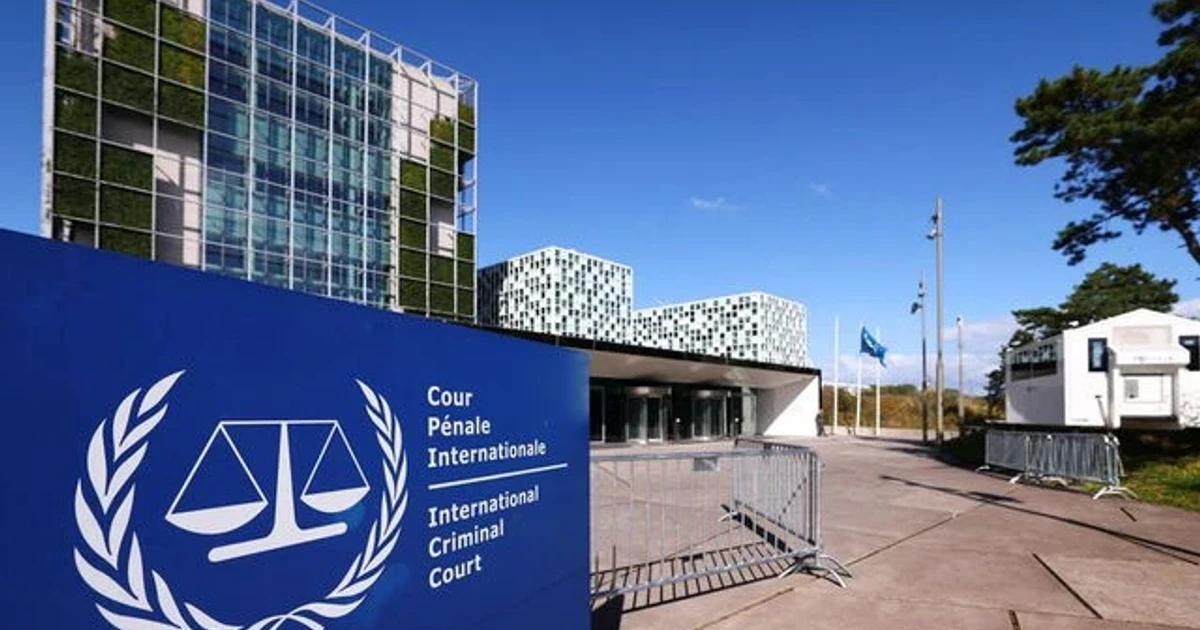
Three International Criminal Court judges sued Donald Trump and senior U.S. officials in Manhattan on June 24, asking a federal court to strike down sanctions they say were imposed to punish and coerce them. The case was filed in the U.S. District Court for the Southern District of New York by Kimberly Prost of Canada, Solomy Balungi Bossa of Uganda and Reine Adelaide Sophie Alapini-Gansou of Benin.
The complaint says the sanctions have had direct personal and professional effects, including frozen bank accounts, canceled credit cards and blocked travel. The judges argue that the measures were designed to exert extrajudicial pressure on sitting international jurists and were unlawful.
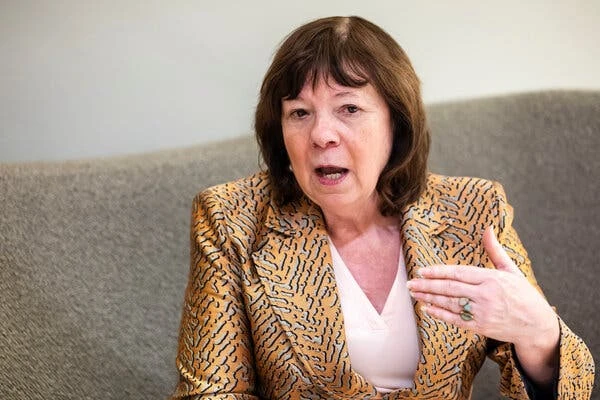
The suit lands in the middle of a widening clash between Washington and the Hague-based court. On June 5, 2025, Secretary of State Marco Rubio announced sanctions against four ICC judges under Executive Order 14203, naming Bossa, Luz del Carmen Ibáñez Carranza, Alapini-Gansou and Beti Hohler. The State Department said the judges had taken action against nationals of the United States or Israel without those countries’ consent.
Trump signed the executive order in February 2025 after the ICC pursued investigations involving U.S. personnel in Afghanistan and Israeli leaders over the Gaza war. The ICC condemned the sanctions and said they followed earlier U.S. designations of court officials. The court has said the U.S. campaign has now targeted at least 11 ICC officials, including judges, the prosecutor and deputy prosecutors, along with a U.N. special rapporteur and three Palestinian civil society organizations.
The lawsuit puts a domestic court in the role of testing how far a U.S. administration can go in using sanctions against international judicial officials before triggering resistance in American courts. It also sharpens an old divide: the United States does not recognize the ICC’s authority, yet the judges are now asking a U.S. judge to curb the White House’s reach over a tribunal built to operate outside national pressure. If the case advances, it could shape how future administrations use sanctions against global courts and whether American judges will treat that power as broad enough to reach foreign jurists sitting on active cases.
Sources
- [1]usnews.com
- [2]state.gov
- [3]icc-cpi.int
- [4]hrw.org
- [5]api.courthousenews.com
- [6]justiceinitiative.org