World
ICC Launches Hearings on Duterte's Drug War Policies
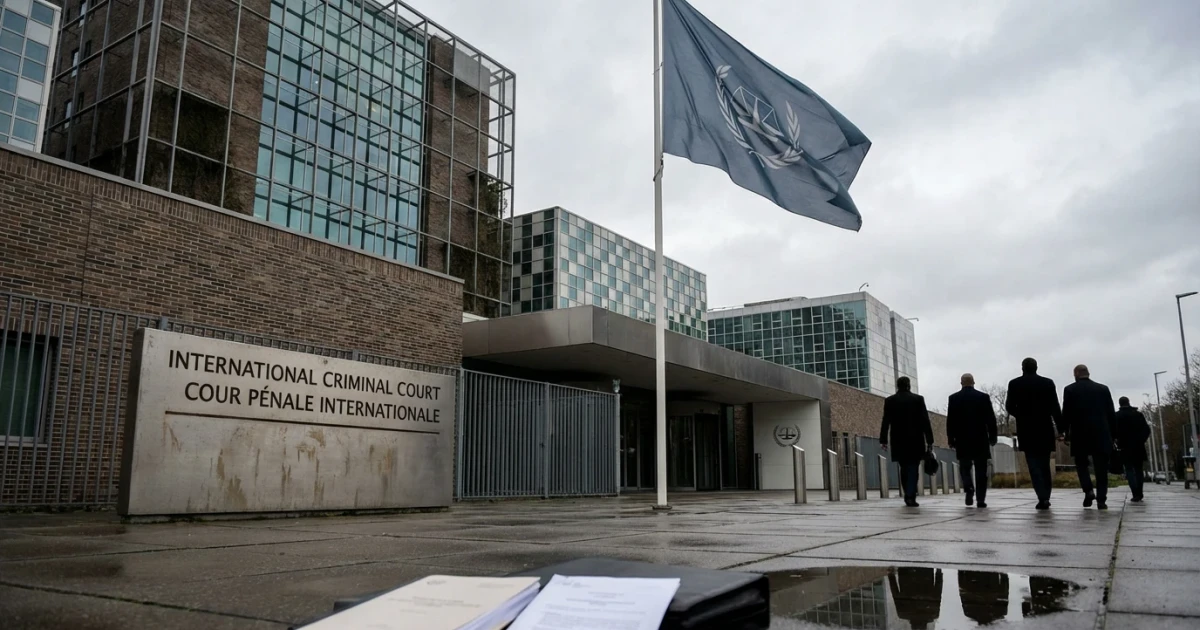
The International Criminal Court (ICC) has commenced hearings into former Philippine President Rodrigo Duterte, marking a significant step in the investigation of alleged crimes committed during his controversial anti-drug campaign. The opening of these proceedings draws renewed international attention to the human rights record of the Philippines and the global pursuit of accountability for alleged extrajudicial actions.
Background: The ICC Investigation and Duterte's Drug War
The ICC’s focus on the Philippines primarily centers on Duterte’s tenure from 2016 to 2022, when the government launched a large-scale campaign against illegal drugs. This campaign, widely known as the "war on drugs," has faced extensive scrutiny following reports of thousands of deaths and allegations of extrajudicial killings. Official statistics indicate that between 2016 and 2022, over 6,200 deaths were attributed to police operations related to the drug war, while independent groups such as Human Rights Watch and Amnesty International estimate the true number could be much higher due to unreported cases and vigilante-style killings. For a breakdown of these figures, see the annual statistics on drug war deaths in the Philippines.
The ICC’s official case page details the procedural history behind the current hearings. After a preliminary examination was launched in 2018, the court authorized a full investigation in 2021, citing reasonable grounds to believe crimes against humanity were committed. The court’s 2023 Appeals Chamber decision allowed the investigation to resume despite objections from the Philippine government, which withdrew from the ICC in 2019.
Human Rights Concerns and International Response
International organizations have repeatedly raised alarms about the methods and consequences of the Philippine anti-drug campaign. According to a United Nations Human Rights Council report, there was a pattern of extrajudicial killings, arbitrary detentions, and a lack of accountability for law enforcement involved in the drug operations. Amnesty International’s 2017 report found that impoverished communities were disproportionately affected and documented cases where police allegedly fabricated evidence to justify lethal force.
- The UN report highlighted a climate of fear and intimidation among witnesses and victims’ families.
- Amnesty International found that due process was regularly circumvented, with suspects denied access to legal representation.
- Human Rights Watch’s 2023 analysis continues to document ongoing impunity for abuses linked to the campaign.
Legal and Political Implications
The ICC’s hearings into Duterte have significant implications for both the Philippines and international justice. While the Philippines officially withdrew from the Rome Statute in 2019, the ICC maintains that it retains jurisdiction over alleged crimes committed while the country was a member. The hearings are expected to review evidence of command responsibility and the chain of command during the drug campaign.
Legal experts note that, should the ICC find sufficient evidence, it could issue arrest warrants or request the cooperation of member states for the prosecution of accused individuals. However, the practical enforcement of any ICC decision may face obstacles, given the Philippines’ current non-participation in the court and ongoing political debates within the country about international oversight.
What Comes Next?
The opening of ICC hearings marks a decisive moment in the international community’s efforts to address alleged crimes against humanity in the Philippines. The outcome of these proceedings could establish important precedents for accountability in similar situations worldwide. As the hearings progress, observers will closely watch for new evidence, potential witness testimonies, and the response of the current Philippine administration to the court’s actions.
For those looking to understand the evolving legal context and detailed procedural steps, the ICC’s case page provides ongoing updates and official court documents.
While the long-term impact of the hearings remains to be seen, the ICC’s actions have already underscored the enduring significance of international mechanisms in pursuing justice and human rights protections, even when national remedies are lacking or disputed.