Business
Ice Cream Recalled in 17 States Over Metal Contamination Concerns
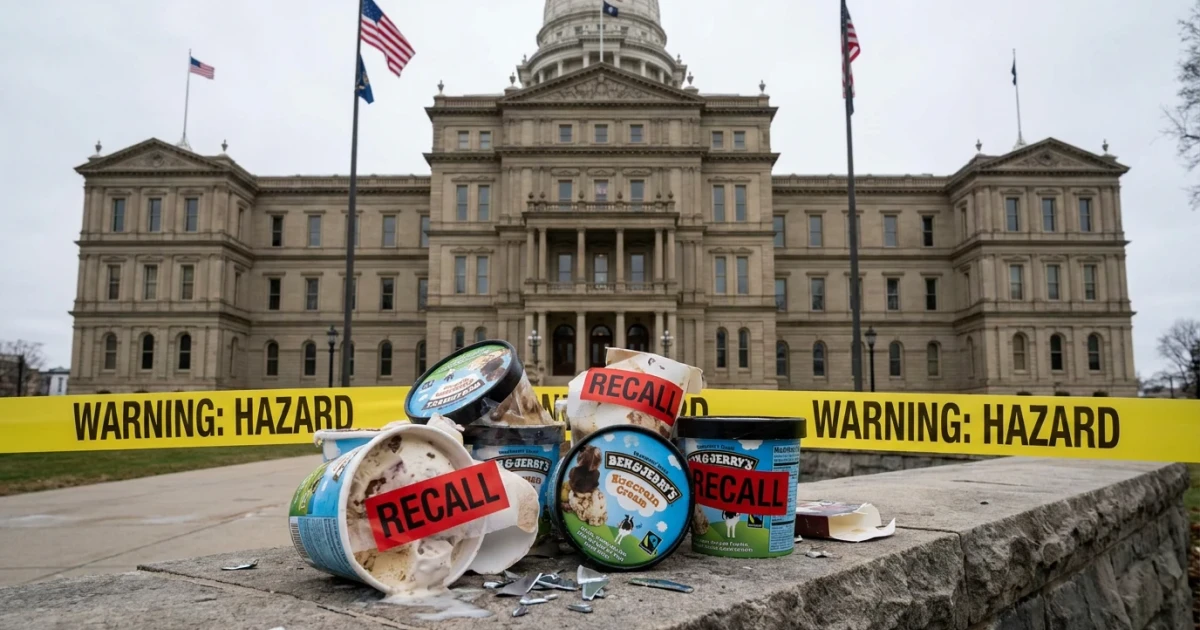
Ice cream products sold in 17 states have been recalled after concerns emerged of possible metal contamination, according to multiple reports and official food safety authorities. The recall, which affects numerous retailers and consumers across the country, was initiated as a precautionary measure after it was discovered that certain batches of ice cream may contain metal fragments.
Details of the Recall
The announcement, reported by NBC News, highlights that the potentially contaminated ice cream was distributed in 17 states, reaching consumers through a wide network of supermarkets and local stores. While the specific brand and product details were not disclosed in the initial report, consumers in states such as Colorado have been specifically alerted to the risk, as noted in regional coverage by KDVR.
Food safety agencies have urged customers to check their freezers and verify whether any recalled ice cream products are present. Full details and updates regarding the recall, including affected product names, lot numbers, and distribution areas, are being maintained by the U.S. Food and Drug Administration (FDA) on their official recall database. This resource provides official notices and comprehensive records for all current food recalls, including ice cream-related cases.
Foodborne Hazards and Consumer Guidance
The potential presence of metal fragments in food products is a serious safety concern. Ingesting metal can cause injuries such as lacerations of the mouth, throat, and digestive tract, and may require medical attention. According to the Centers for Disease Control and Prevention (CDC), food recalls are a critical mechanism to protect public health when a contamination risk is identified.
- Consumers are strongly advised to check the FDA's recall database for updates and to identify affected products.
- Any ice cream matching the recall description should not be consumed, and customers should follow return or disposal instructions provided by retailers or the manufacturer.
- Individuals who believe they may have consumed contaminated ice cream and are experiencing health issues should seek medical attention and notify their local health department.
Scope of the Recall and Historical Context
Seventeen states are affected, making this one of the broader ice cream recalls in recent years. While the NBC News report did not specify which states beyond Colorado were impacted, past data from the CDC's multistate foodborne outbreak database indicates that ice cream recalls often have wide-reaching effects when distributed nationally.
The USDA Food Recall Summary Report reveals that contamination by foreign objects such as metal, plastic, or glass is a recurring cause for food recalls in the United States, ranking among the top reasons for market withdrawals and safety alerts each year. Such incidents necessitate rapid response to minimize risk to public health.
Next Steps and Ongoing Updates
At this time, there have been no confirmed injuries or illnesses linked to the recalled ice cream. The FDA and state health departments continue to monitor the situation and update the public as more information becomes available. Consumers are encouraged to stay informed via the FDA's food recalls page, which provides up-to-date listings on all active recalls and safety alerts.
As the investigation develops, retailers are cooperating with authorities to remove the affected products from shelves and to notify customers who may have purchased the ice cream. Food safety experts underscore that increased awareness and prompt action are essential to reducing the risk of harm from contaminated food products.
For More Information
- Check the FDA Recalls, Market Withdrawals, & Safety Alerts page for official recall notices and product details.
- Review the latest CDC foodborne outbreak data for historical context and statistics.
- Learn how the CDC manages food recalls and protects public health.
Consumers are encouraged to remain vigilant and to report any adverse reactions related to food consumption to their local health authorities. As further details on the specific products and distribution networks become available, updates will be provided to ensure public safety remains the top priority.