US News
ICE pauses most vehicle stops after fatal shootings in Texas, Maine
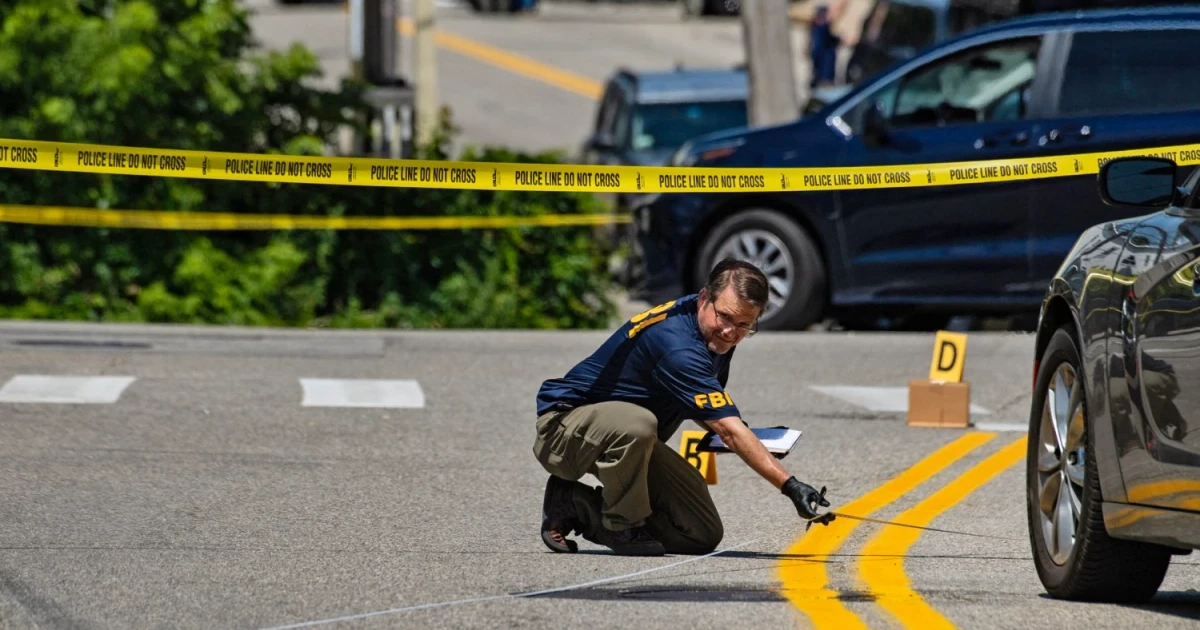
U.S. Immigration and Customs Enforcement paused most non-urgent vehicle stops nationwide after fatal shootings in Houston and Biddeford killed two men six days apart, a sharp pullback from a tactic that has drawn mounting scrutiny. The temporary restriction comes as the agency sends officers back for more training on vehicle-stop tactics and leaves ICE’s 287(g) partnerships untouched.
The first shooting happened in Houston on July 7, when ICE agents fatally shot Lorenzo Salgado Araujo, a 52-year-old Mexican national, during a vehicle stop. The second came on July 13 in Biddeford, Maine, where agents fatally shot Joan Sebastian Guerrero, a 26-year-old Colombian man, after trying to stop the vehicle he was driving. The back-to-back killings turned a routine enforcement tool into a political and operational liability almost overnight.
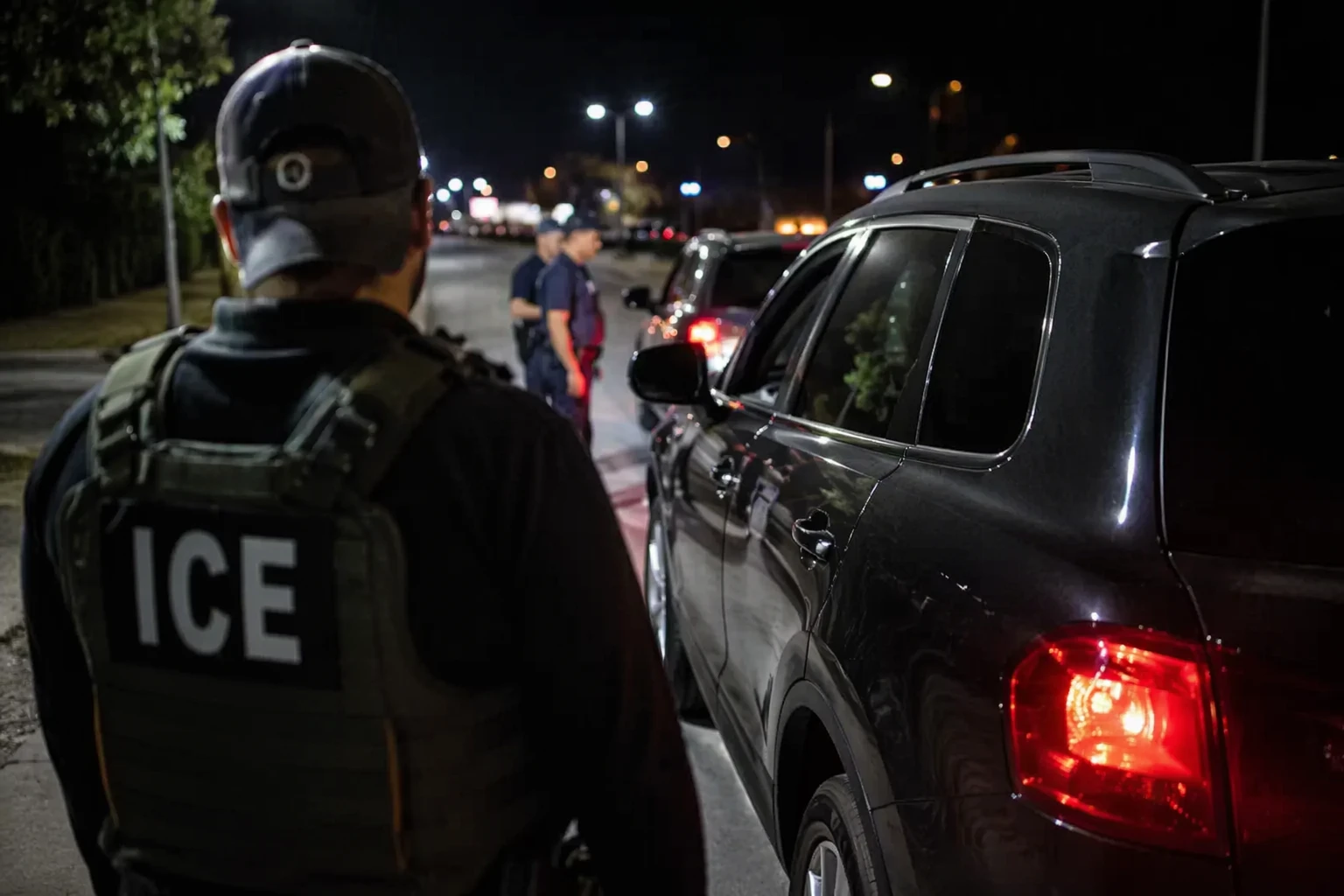
The fallout has already spilled into the streets. More than a thousand protesters marched in Houston after the July 7 shooting, and vigils were held in Biddeford and Portland after Guerrero’s death. The Maine case intensified further after the Department of Homeland Security said the officer fired after the vehicle tried to flee, framing the shooting as a response to a public-safety threat. Angus King’s office later said Guerrero was not the intended target of the enforcement operation.
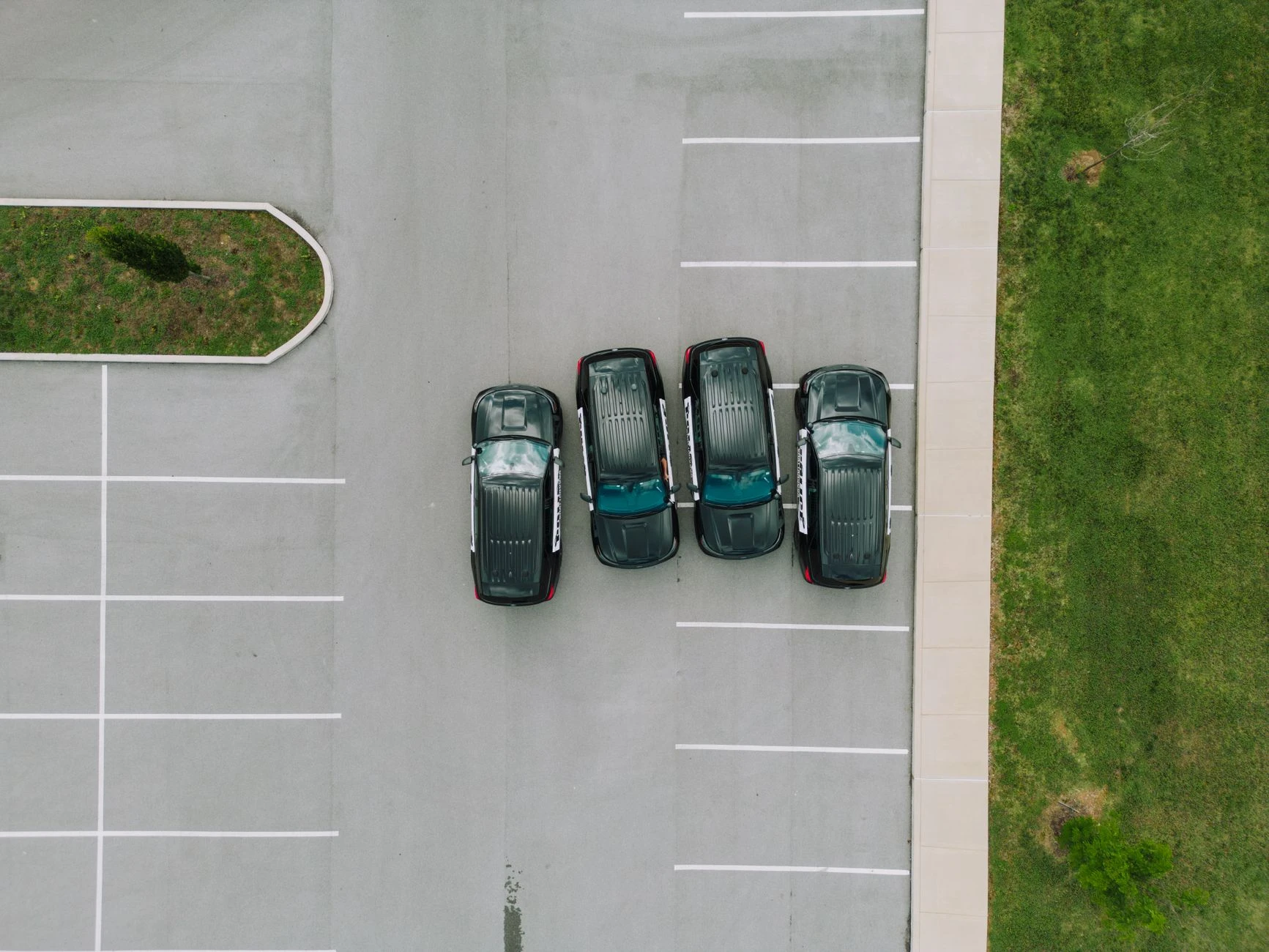
The pause leaves open a central question for ICE: what counts as “non-urgent” when agents are stopping vehicles as part of immigration enforcement. The agency’s decision suggests a narrower review of roadside tactics rather than a full retreat from enforcement, but it also signals that the current playbook has created enough risk to force a reset. By keeping the 287(g) program in place, ICE preserved a channel for state and local officers working under federal oversight, even as it slowed its own vehicle stops. The result is a limited but meaningful reprieve, and a sign that the agency now has to justify which stops are urgent enough to proceed and who is responsible for drawing that line.
Sources
- [1]npr.org
- [2]wunc.org
- [3]usnews.com
- [4]cnbc.com
- [5]abcnews.com
- [6]wbur.org