Politics
ICE to release body-camera video only when it serves agency interests
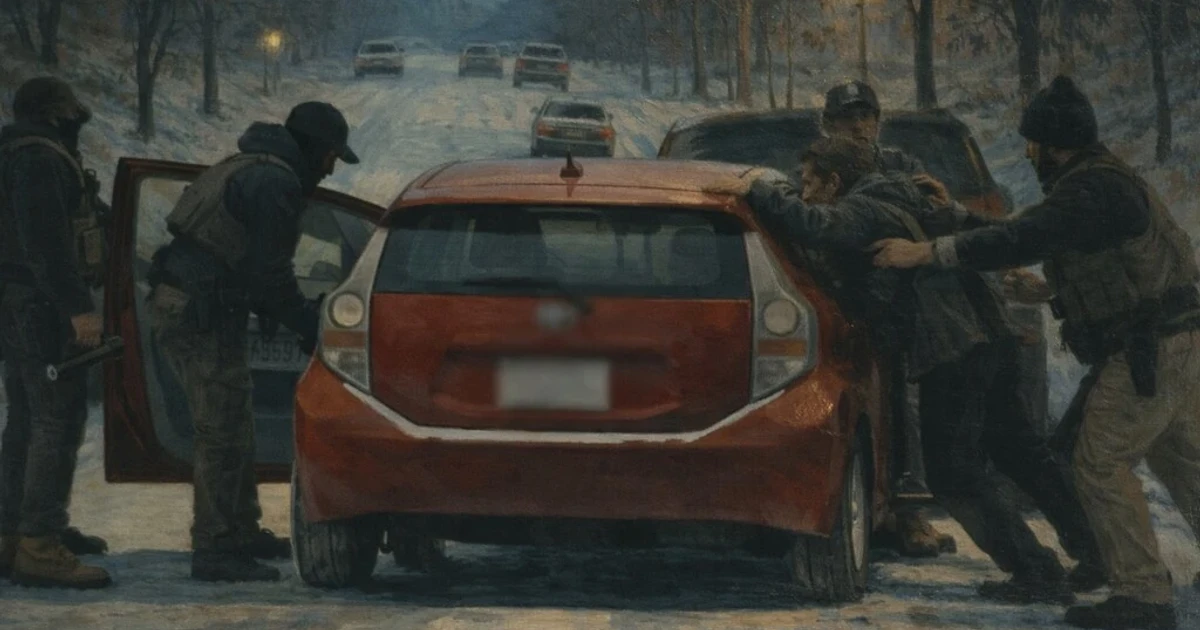
ICE will release body-camera footage only when disclosure serves the agency’s “best interests,” a rule that gives federal immigration officers broad control over what the public can see from arrests, detention transfers and other confrontations. The policy is set out in ICE Directive 19010.3, signed Feb. 18, 2025 and issued Feb. 19, 2025, which superseded a 2023 directive and establishes how body-worn cameras are used by ICE law enforcement officers and agents.
Body cameras are usually sold as accountability tools that protect officers and create a clearer record of public encounters, but the value of those cameras depends on release rules. If ICE can withhold video whenever disclosure is not in its interest, civil-rights advocates argue the agency controls the evidence that could resolve questions about how an arrest unfolded, whether force was justified or what happened during a transfer into detention.
A Department of Homeland Security privacy impact assessment dated Nov. 2, 2021 showed ICE was running a body-camera pilot at six select field office locations, three in Enforcement and Removal Operations and three in Homeland Security Investigations. RAND later published an independent assessment of the pilot on Nov. 21, 2023 and a follow-up brief on Jan. 17, 2024 examining the impact of body-worn cameras at U.S. Customs and Immigration Enforcement. The American Immigration Council called cameras a transparency win for ICE in January 2024, but implementation would be key.
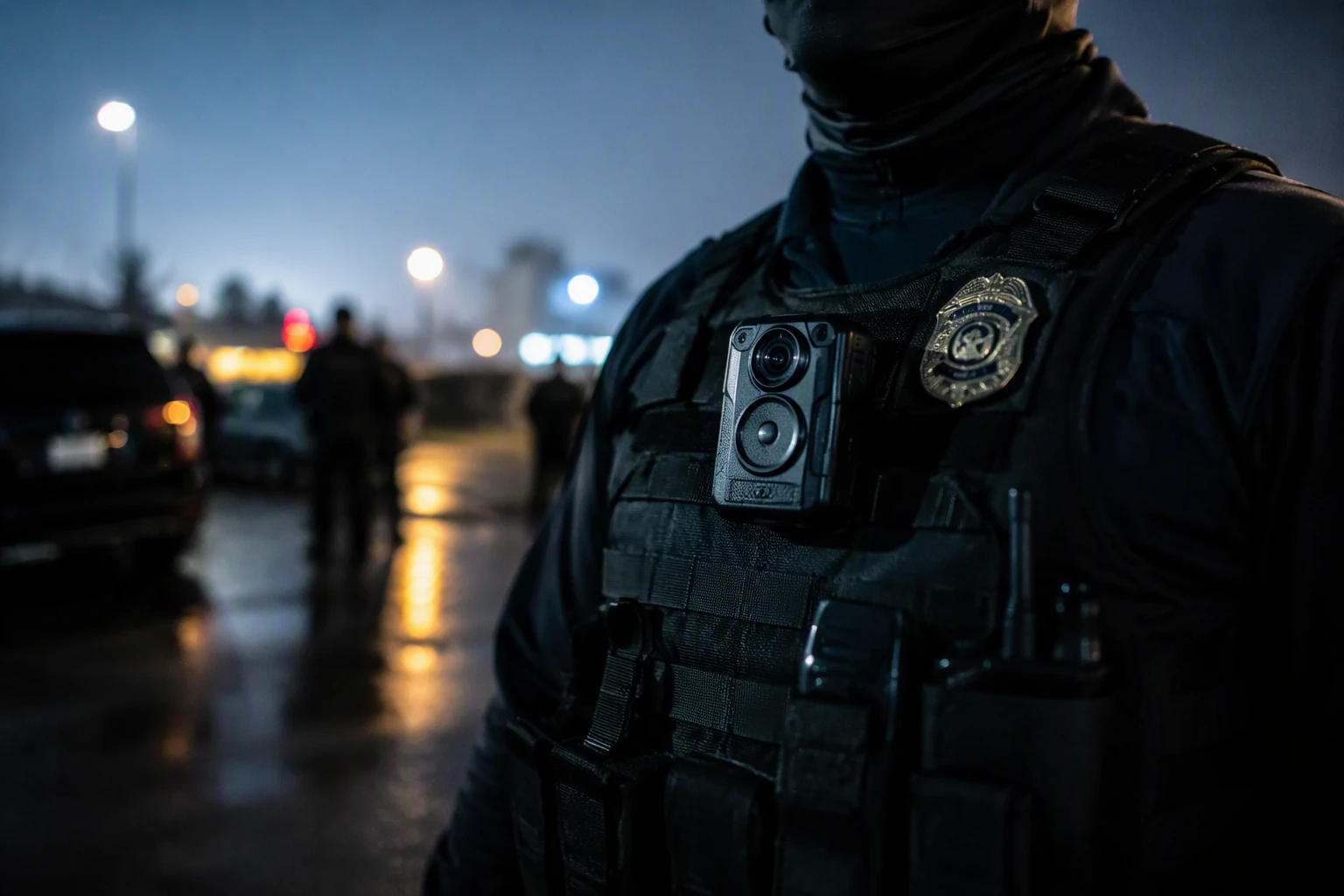
A March 15, 2024 report put agents in five U.S. cities under body-camera requirements, and a March 3, 2021 Homeland Security Investigations directive already covered cameras for state and local Title 19 cross-designated task force officers. On Jan. 14, 2026, Rep. Donald Norcross introduced the Trust Through Transparency Act to require immigration enforcement officials to wear and operate body cameras during public-facing actions. Associated Press reporting in August 2026 put ICE officers nationwide on track to have body cameras by the end of September, with shipments beginning the following week.
The Brennan Center’s body-camera policy tracker covers how long video is kept, who can see it and what exemptions apply. In Tempe, Arizona, one department’s release policy even blurred all body-camera footage in public records requests.
Sources
- [1]6abc.com
- [2]ice.gov
- [3]dhs.gov
- [4]rand.org
- [5]americanimmigrationcouncil.org
- [6]asisonline.org
- [7]immpolicytracking.org
- [8]norcross.house.gov
- [9]youtube.com
- [10]apnews.com