World
Iceland prepares for 2026 total solar eclipse as travel demand surges

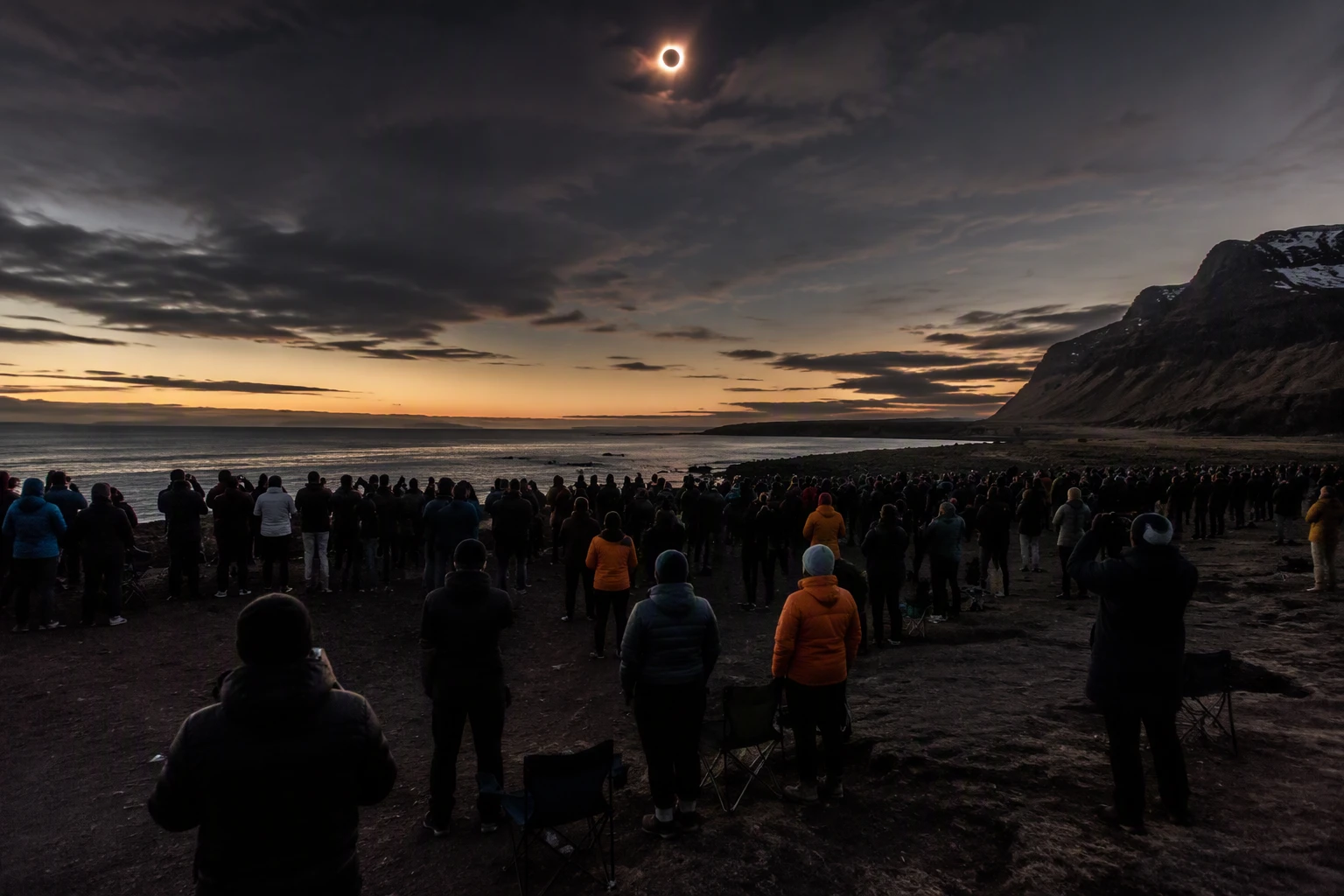
A total solar eclipse will sweep across western Iceland, including Reykjavík, on August 12, 2026. Tourism boards, hotels, and tour operators have spent years building eclipse-specific offers, but the hardest part remains unchanged: the sky decides the quality of the show. The real test is whether visitors can reach the path of totality, stay there long enough, and do it without getting trapped by weather, traffic, or a sold-out lodging market.
The eclipse path runs through Iceland’s west
The strongest viewing opportunities are concentrated in the west, especially the Westfjords. Látrabjarg reaches furthest into the path of totality, while Straumnes Lighthouse is another major viewing spot with 1 minute 26 seconds of totality. Near Látrabjarg, totality lasts 2 minutes 13 seconds, which is why that corner of the country has become the center of attention for serious eclipse watchers.
On August 7, National Geographic called the Westfjords the “epicenter of eclipse activity” and the place with the longest totality in Europe. The Westfjords are Iceland’s most remote, least-visited region. The event is funneling a global audience into a part of the country that already has limited infrastructure compared with Reykjavík and the south.
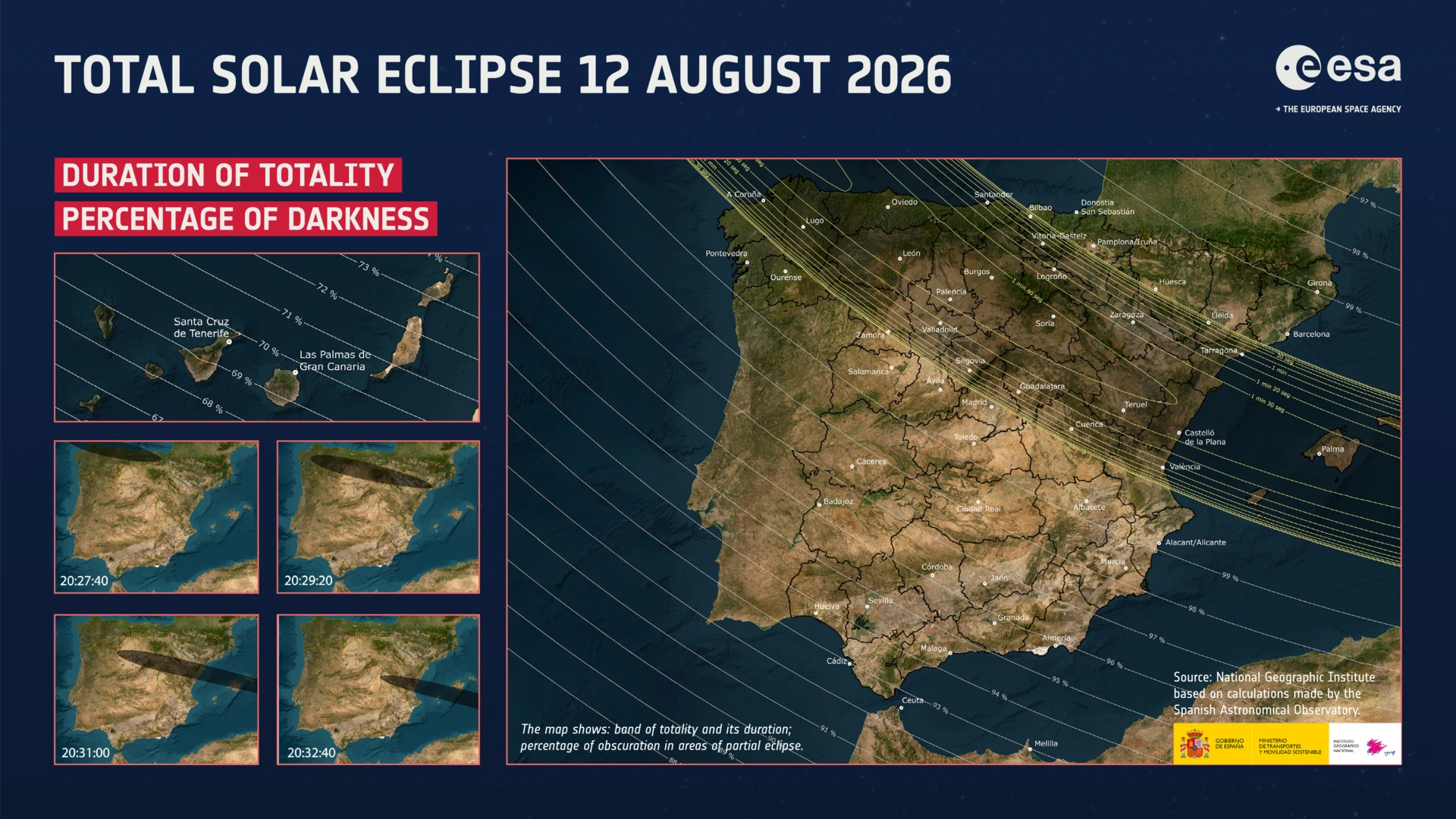
The eclipse will cross western Iceland for the first time since 1954, and Iceland will witness its first total solar eclipse in more than 70 years. NASA and the National Science Observatory have both published eclipse maps and overviews for the August 12 event, and ESA-related social posts have pointed to the Westfjords and northern Spain as prime locations.
Lodging pressure started long before eclipse day
The lodging market has been tightening for a long time. In November 2024, TripAdvisor forum posts showed some rooms were already being secured by tour groups, while some hotels were already booking rooms for tourists or collecting contact information. One TripAdvisor post described rooms in prime spots as sold out or priced at three to five times normal rates.
That pressure has only intensified as travel companies turned the eclipse into a product. Icelandia has published viewing-spot and lodging guides, Arctic Adventures posted an Iceland eclipse guide on September 5, 2024, and operators including Exploring Iceland, Discover the World, and Nordic Visitor have built eclipse itineraries around the event. CenterHotels is advertising a “Solar eclipse 2026” stay offer with 25% off, while Blue Lagoon Iceland is selling a “Total solar eclipse” event for August 12, 2026.
Even late interest has not disappeared. On July 17, AFAR still presented the trip as bookable, indicating the market remained active even as the event approached.
Officials are trying to plan for crowds they cannot fully control
Public preparation is visible on both the regional and national level. Visit West Iceland has a dedicated page titled “Solar Eclipse in West Iceland 12 August 2026,” and Visit Reykjanes has its own eclipse page that points visitors to the latest updates on the eruption area and Grindavík. The U.S. Embassy in Reykjavík has also published guidance for American citizens traveling for the eclipse, placing the event inside the ordinary machinery of travel planning rather than treating it as a one-off spectacle.
Visitors may be drawn toward viewing points near Reykjavík or the southwest coast, but route planning is not just about eclipse traffic. It is also about volcanic conditions, road access, and the possibility that the most convenient map is not the safest one on the day.
The bigger uncertainty, though, is still the weather. Totality is guaranteed only inside the narrow path, and even there a cloud bank can erase the payoff in seconds.
What the day will require in practice
A workable plan for August 12 needs to account for more than a viewing spot. The August 8-14 period is the pressure window, which means congestion, parking problems, and slow movement near major sites are likely even for travelers who reserved early.
• Build the trip around your viewing location, not the other way around. If Látrabjarg or Straumnes Lighthouse is the target, lodging needs to be close enough to keep the final drive manageable.
• Leave room for weather movement. A clear sky at one point on the west coast may not stay clear, so the safest plan is to stay flexible inside the path of totality.
• Check local updates before crossing Reykjanes. Visit Reykjanes is directing visitors to eruption-area and Grindavík updates, which makes route awareness part of eclipse planning.
• Expect the busiest movement around the main viewing days. The August 8-14 surge window means traffic and parking should be treated as part of the experience, not an afterthought.
Sources
- [1]nytimes.com
- [2]west.is
- [3]visitreykjanes.is
- [4]is.usembassy.gov
- [5]icelandia.com
- [6]adventures.is
- [7]tripadvisor.com
- [8]nationalgeographic.com
- [9]youtube.com
- [10]bluelagoon.com
- [11]centerhotels.com
- [12]afar.com