Politics
Idealized economic debates hurt Democratic candidates in national races
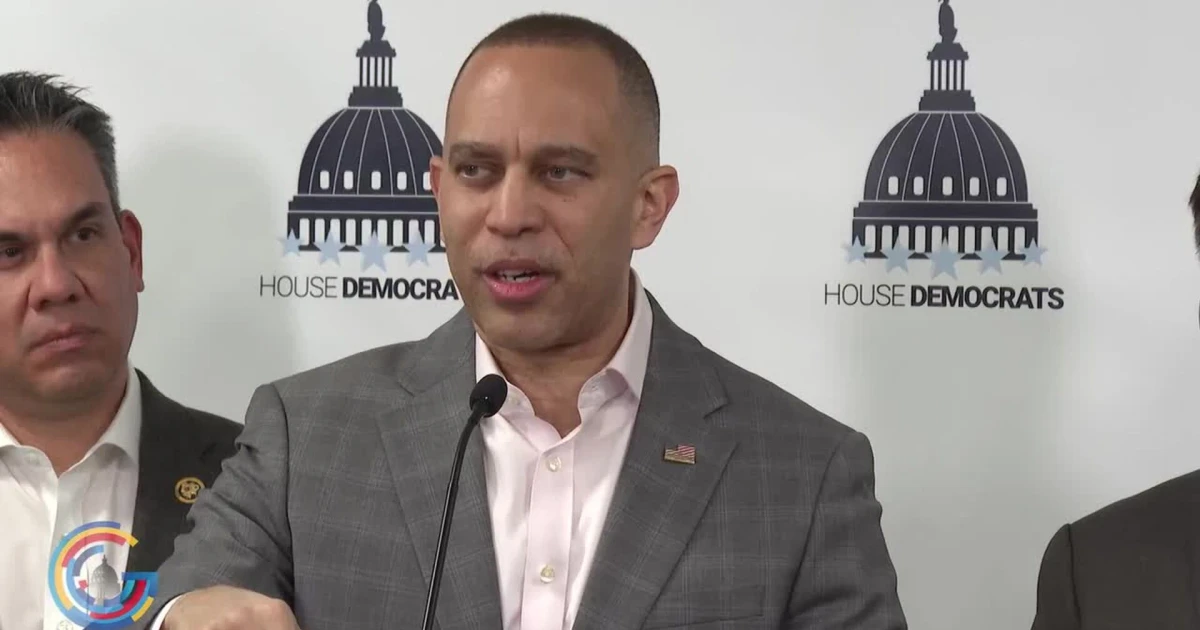
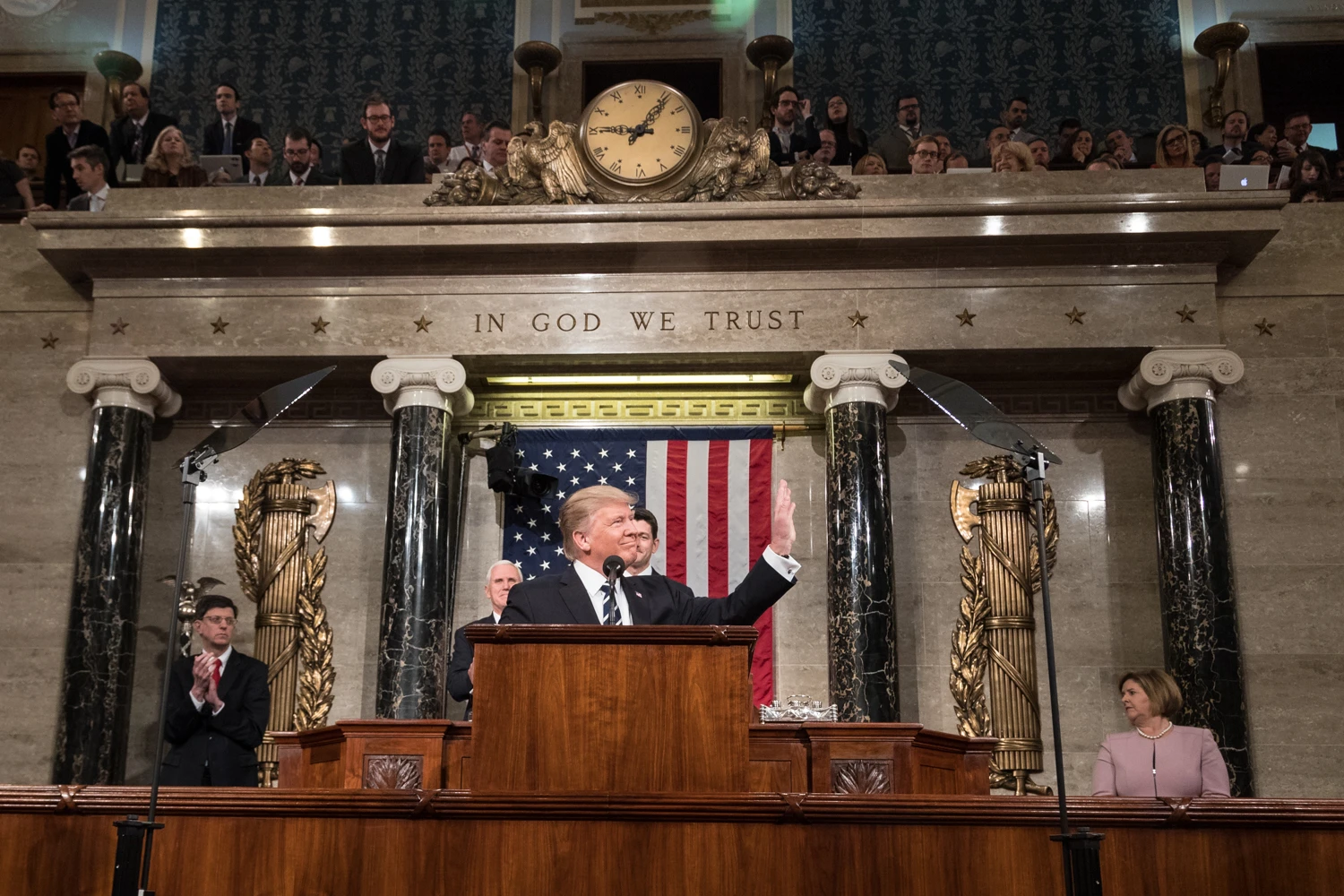
House Democrats opened their 2026 Issues Conference around a three-day “Fighting for an Affordable America” push, less than 24 hours after President Donald Trump’s State of the Union address. The party’s message was aimed squarely at proving to voters that the cost of living has not improved under Republican leadership.
That emphasis matches the clearest trend in national polling. A Change Research survey of 2,702 registered voters, conducted April 3 to 7, found that most voters rate inflation and the cost of living poorly, and a majority say the American Dream is either a thing of the past or never was as achievable as promised. In a cycle defined by household budgets, that leaves little room for Democrats to win persuadable voters with abstract arguments about how much of the economy should be public, private, or somewhere in between.
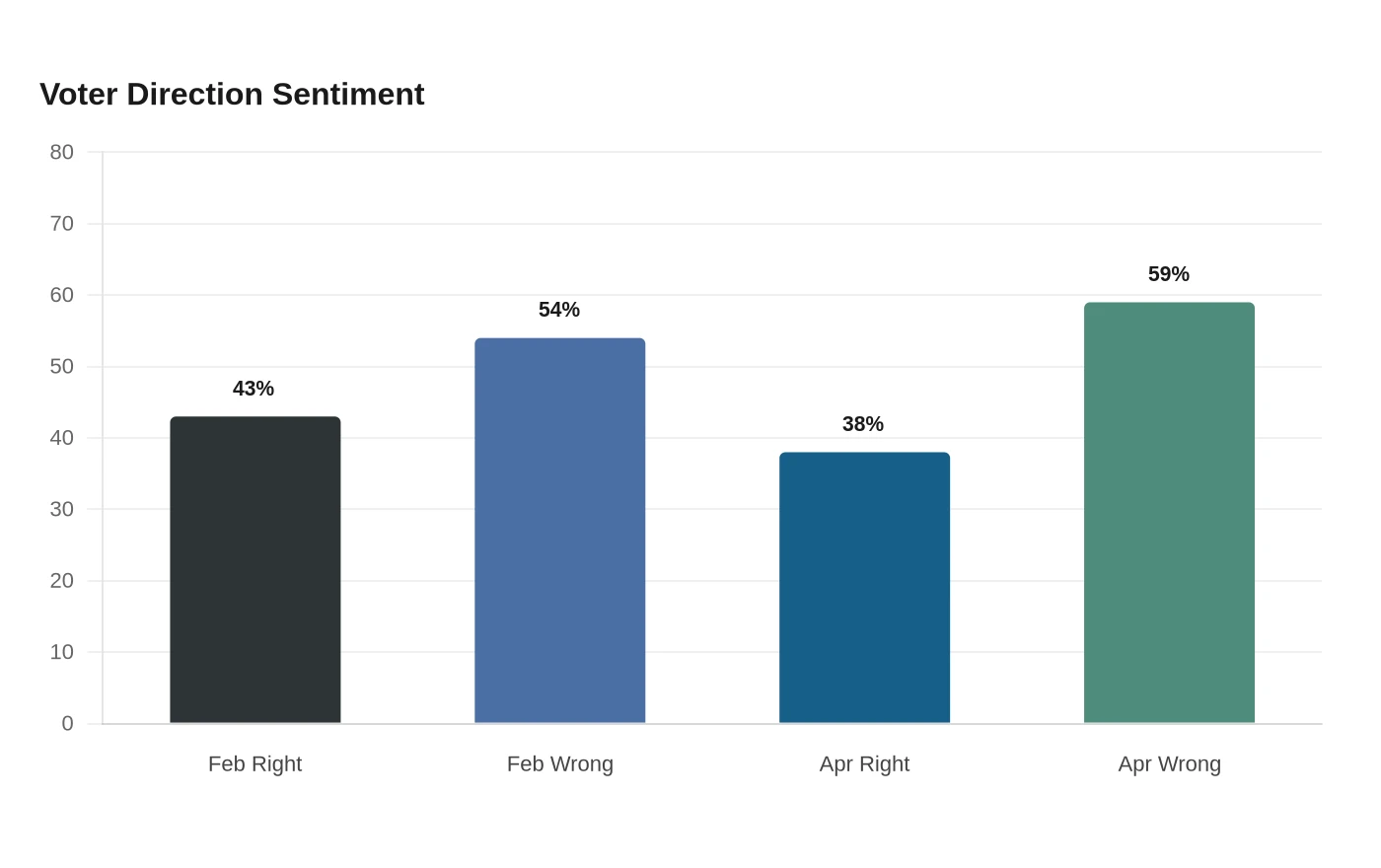
Cygnal’s monthly tracking has drawn a similar line between voter concerns and elite debate. In a June 2 to 3 survey of 1,500 likely general election voters, the firm reported sharp movement in cost-of-living sentiment across younger voters, independent women, Hispanic men and middle-income households. In an earlier April survey, Nick Weinstein, a Cygnal principal, said, “As our data often does, that 22 percent underscores that gap between elite debate, which is what you hear from mainstream talking heads, and the actual sentiments among voters,” after the firm’s 1,500-voter sample showed 43 percent right direction and 54 percent wrong track in February, then 38 percent right direction and 59 percent wrong track in April.
The political environment described by Cygnal still favors Democrats only if they stay focused on concrete economic concerns. Its May survey of 1,500 likely general election voters showed Democrats with a 6-point generic ballot lead, a minus-23 net country-direction reading, and Trump at minus-15 net favorable, his weakest mark since at least September 2022.
Navigator Research has found the same tension in battleground polling: voters there see rising costs, but are unsure who can lower them. That uncertainty gives Democrats an opening in national races, but only if their candidates keep talking about prices, wages and stability instead of letting online ideological fights set the agenda.
Sources
- [1]nytimes.com