World
IDF uncovers Hezbollah drone factory hidden in southern Lebanon mountain
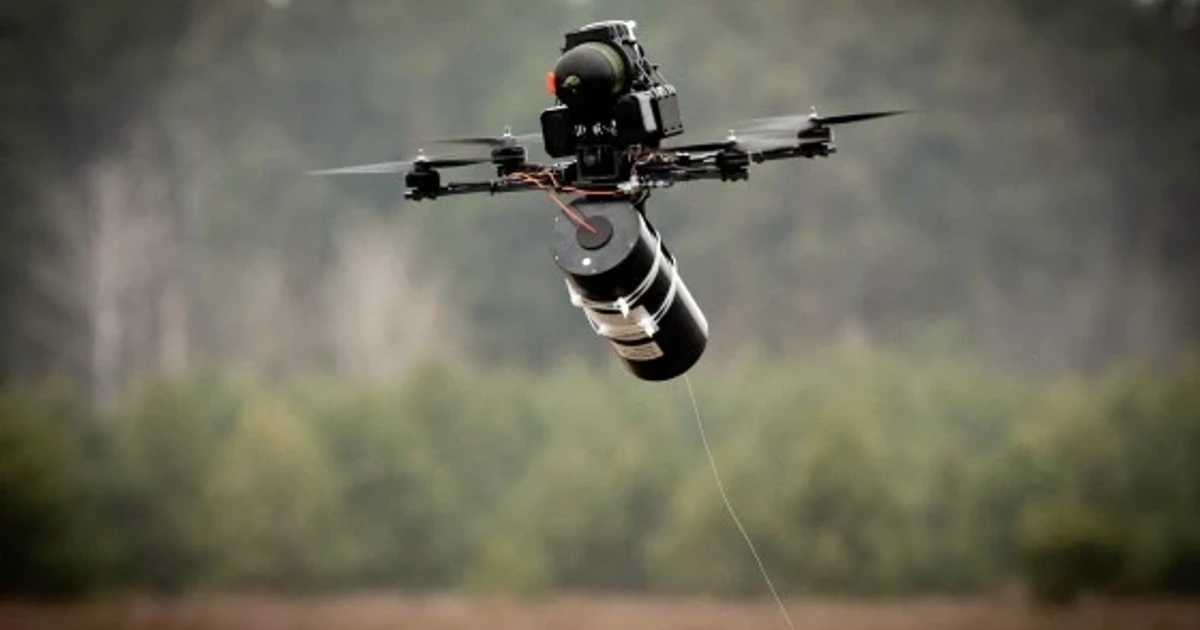
Israeli forces say they uncovered a Hezbollah drone factory and launch site buried dozens of meters beneath a village in southern Lebanon, a find that sharpens the question of how much of the group’s underground war machine remains intact. The site, in the Majdal Zoun area near the border, held a cache of 50 Iranian-made explosive unmanned aerial vehicles and was built to send drones into Israel through secret hillside shafts.
The Israel Defense Forces said the tunnel and the surrounding area were taken this month by a reservist commando and paratroopers formation operating inside an updated southern Lebanon security-zone buffer map. The location mattered not just because of what was inside it, but because of where it sat: south of the Litani River, in a zone where Israeli officials have repeatedly said Hezbollah has built rocket, missile and drone infrastructure to threaten northern Israel.
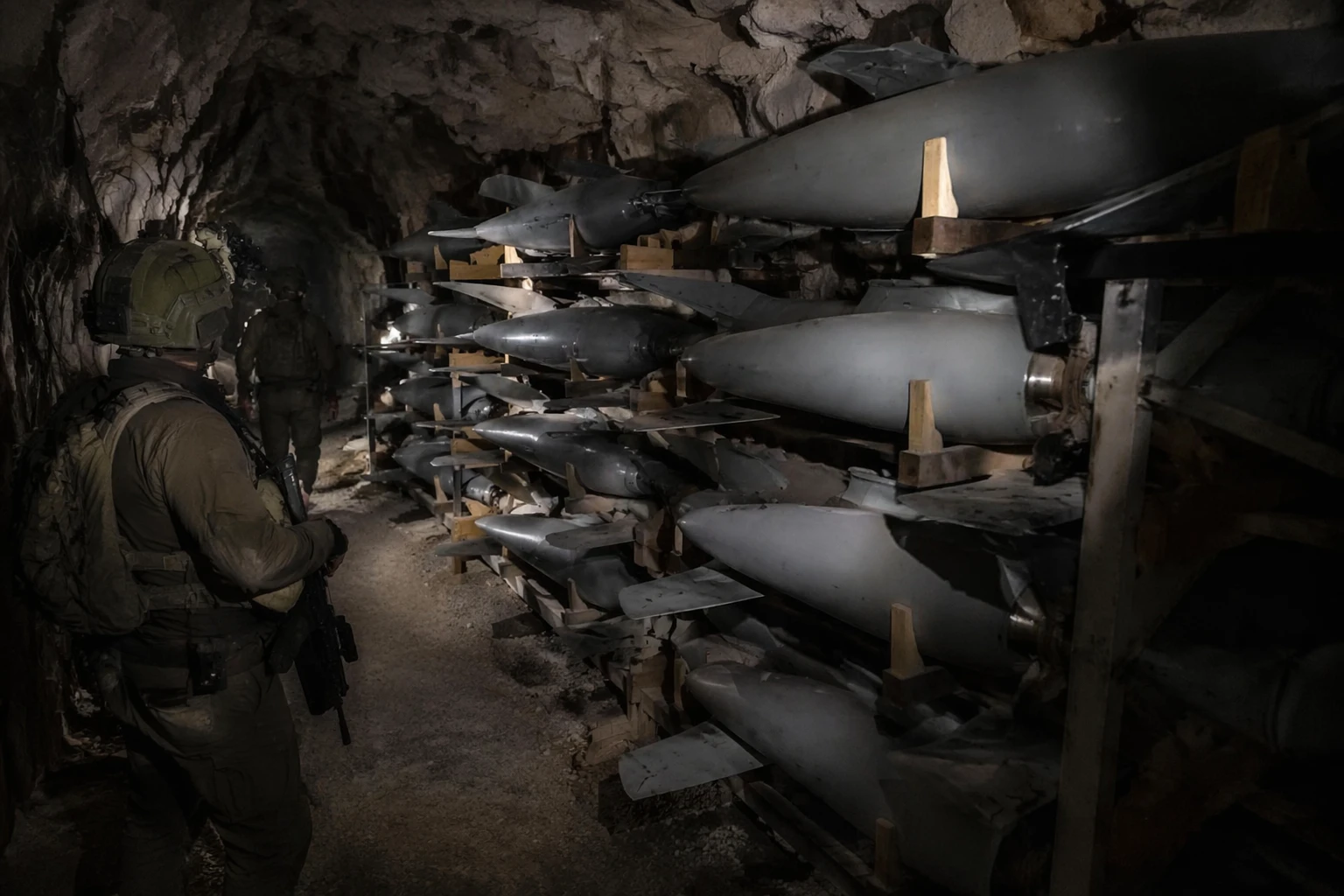
The discovery also fits a broader pattern that has worried Israeli commanders. Hezbollah has used explosive-laden drones against IDF troops in southern Lebanon with increasing effectiveness in recent weeks, and Israeli military leaders have described the group’s drone capability as a growing battlefield challenge. That makes a hidden production and launch site inside a mountain more than a tactical cache. It points to a dispersed network designed to survive airstrikes, conceal launchers and complicate border defense.
Israeli strikes have already hit Hezbollah drone production and storage facilities in Beirut’s Dahiyeh district and in southern Lebanon, underscoring how central the UAV threat has become in the current campaign. The new site in Majdal Zoun suggests that even after repeated strikes, Hezbollah’s underground infrastructure can still extend deep into civilian terrain, with launch points tucked into hillside shafts and hidden below a village near the frontier.
The find arrives as the broader Lebanon file remains volatile. Reuters reported that Israeli strikes in Lebanon killed at least 20 people on June 20, 2026, one day after a ceasefire with Hezbollah took effect, while earlier drone strikes in southern Lebanon killed at least four people on June 16. The result is a stark test of Israel’s stated effort to limit its actions in Lebanon: the military is still carrying out high-risk raids and strikes across the border, even as Hezbollah’s drone and rocket network continues to drive the threat picture.
Sources
- [1]news.google.com
- [2]timesofisrael.com
- [3]yahoo.com
- [4]reuters.com
- [5]israelnationalnews.com