World
IEA Chief Warns Iran Conflict Poses Major Threat to Global Economy
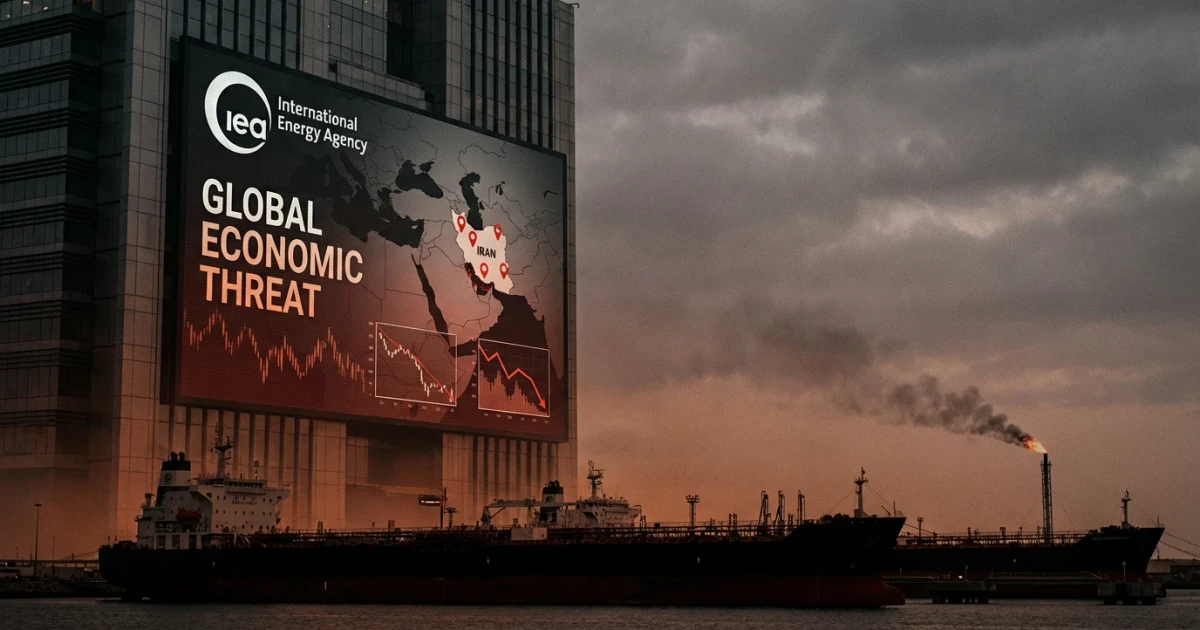
The head of the International Energy Agency (IEA) has issued a stark warning that the ongoing war involving Iran presents a "major, major threat" to the world economy, underscoring fears of disruption in global energy markets and wider economic fallout.
IEA Raises Alarm on Economic Impact
Both PBS and the Houston Chronicle reported on Sunday that the IEA’s leadership is sounding the alarm about the risks posed by the conflict. The IEA, a leading authority on energy policy and markets, has long cautioned that geopolitical tensions in the Middle East have the potential to destabilize global oil supplies. The latest escalation involving Iran, a key oil producer, has brought those fears to the forefront.
The IEA’s director called the situation a "major, major threat"
Oil Supplies and Energy Markets at Risk
The conflict in Iran is especially worrying due to the country’s strategic role in global oil production and its proximity to vital shipping lanes, such as the Strait of Hormuz. This narrow passageway is responsible for the transit of a significant portion of the world’s petroleum exports, making any disruptions potentially disastrous for global supply chains.
- Iran is among the top oil producers in the Middle East, with production levels that directly influence global pricing and supply dynamics.
- According to the IEA’s Oil Market Report, recent instability has already triggered volatility in oil futures and raised the cost of energy worldwide.
- Maritime shipping data from UNCTAD highlights the critical importance of regional chokepoints, which are now at elevated risk.
Fears of supply cuts have led to increased oil prices and volatility in futures markets, as traders and analysts watch the region closely for any signs of escalation.
Broader Economic Consequences
The warnings from the IEA reflect deeper concerns that surging energy costs could worsen inflation, slow global growth, and strain already fragile economies. The International Monetary Fund has previously noted in its World Economic Outlook that geopolitical conflicts in energy-producing regions can have outsized effects, particularly on emerging and developing markets highly sensitive to price shocks.
- Higher oil prices often lead to increased costs for transportation, manufacturing, and consumer goods, feeding into inflationary pressures worldwide.
- Supply disruptions may also impact financial markets, as investors reassess risks connected to energy, trade, and regional security.
- Banks and international lenders, tracked by BIS international banking data, could face heightened volatility as capital flows respond to uncertainty.
Calls for Global Coordination
Both sources highlight the IEA’s call for a coordinated international response to mitigate the risks. The agency has urged governments, energy companies, and financial institutions to prepare contingency plans and ensure that oil stockpiles and alternative supply routes are ready should the crisis deepen.
The situation remains fluid, but the IEA’s warning is clear: the Iran war has the potential to impact every corner of the global economy, from fuel prices at the pump to the stability of international financial systems.
Outlook: Heightened Vigilance Needed
As developments unfold, policymakers and markets are watching closely. Maintaining open shipping lanes, stabilizing energy markets, and preparing for possible shocks will be critical in the weeks ahead. The IEA’s message is a reminder that geopolitical turmoil in one region can have ripple effects far beyond its borders, and that vigilance and cooperation are essential to safeguard the global economy.